Travel Stories

Burj Khalifa Essentials and Facts

By Qunoosh Published: March 01, 2024 Updated on: September 25, 2026 5 min read
Back to Blog Articles

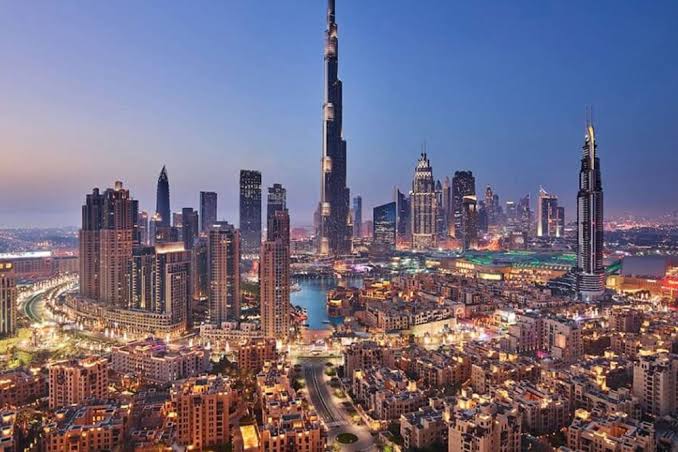
The Burj Khalifa is a skyscraper in Dubai, United Arab Emirates, that stands at a height of 830 meters. It is well-recognized as the world's tallest building and Dubai's most well-known tourist attraction.

This page introduces some building facts as well as associated information.

Appellation (Title)

Burj Khalifa is Arabic for "Khalifa Tower." Formerly known as Burj Dubai or Dubai Tower, the name was changed to Burj Khalifa on January 4, 2010, when the tower formally opened. The word Khalifa is derived from the name of Sheikh Khalifa Bin Zayed Al Maktoum, the president of Abu Dhabi and the United Arab Emirates. Due to the onslaught of the Financial Crisis, the Burj Khalifa and other development projects in Dubai were once on the edge of being halted, and it was neighboring Abu Dhabi that was on the verge of being halted.

The major reason for this is because of Abu Dhabi, which gave cash to Dubai during this tough time. Furthermore, the word Khalifa has a significant meaning in Islam; it refers to the Islamic world's top leader.

Development

The exterior of the structure was finished on October 1, 2009, after construction began in January 2004. The structure, which is part of the 2 km2 (490-acre) Downtown Dubai development at the 'First Interchange' along Sheikh Zayed Road, near Dubai's main business center, opened on January 4, 2010. Skidmore, Owings & Merrill of Chicago designed and engineered the tower, with Adrian Smith as chief architect and Bill Baker as the chief structural engineer. The major contractor was Samsung C&T of South Korea.

Records

The Burj Khalifa set several world records, including the following:

  • 829.8 m (2,722 ft) Tallest extant structure (formerly KVLY-TV mast – 628.8 m or 2,063 ft)
  • World's highest elevator installation (situated inside a rod at the very top of the building)
  • 829.8 m (2,722 ft) Tallest freestanding structure (formerly CN Tower – 553.3 m or 1,815 ft)
  • Tallest structure ever built: 829.8 m (2,722 ft) (before, the Warsaw radio mast, which stood at 646.38 m or 2,722 ft).
  • Building with most floors: 163 (previously World Trade Centre – 110)
  • Tallest skyscraper (to top of spire): 828 m (2,717 ft) (previously Taipei 101 – 509.2 m or 1,671 ft)
  • World's highest restaurant (At.mosphere): 122nd floor at 442 m (1,450 ft) (previously 360, at a height of 350 m (1,148 ft) in CN Tower)
  • The world's highest New Year's Eve fireworks show.
  • The world's biggest light and sound extravaganza on a single structure
  • Tallest skyscraper to top of antenna: 829.8 m (2,722 ft) (previously the Willis (formerly Sears) Tower – 527 m or 1,729 ft)
  • Elevators with the world's longest trip distance: 504 m (1,654 ft)
  • 606 m is the highest vertical concrete pumping (for a structure) (1,988 ft)
  • The world's highest building with living quarters
  • World's highest installation of an aluminum and glass façade: 512 m (1,680 ft)
  • World's highest nightclub: 144th floor

Elevation (Height)

Burj Khalifa's architectural elevation is 828 meters (2717 feet), measured from the top of the spire, which is considered an architectural element of the tower.

Before 2010, the Burj Khalifa's height was kept a secret to prevent it from being surpassed by possible competitors. Finally, the owner Emaar declared that the Burj Khalifa's standard height is 828 meters, with a total height of 829.8 meters (there's a 1.7 meter tiny needle above the top of the spire at 828 meters), making it the world's tallest skyscraper in all categories. Burj Khalifa has held the title of the World's Tallest Building for ten years, and it will continue to do so for another three to five years until either the Dubai Creek Tower or the Jeddah Tower exceeds it in 2022 or later.

Level 154, which is 584 meters above ground, is the highest occupied floor. There are three observation decks for public viewing, located on levels 124, 125, and 148, respectively. With a height of 555 meters, the one on level 148 is now the world's highest observation deck.

Locality

Burj Khalifa's address is 1 Sheikh Mohammed bin Rashid Boulevard, Dubai, United Arab Emirates; the tower is located in Downtown Dubai, an area along Sheikh Zayed Road; it's one of several districts in the city filled with high-rise buildings; another district with a significant amount of skyscrapers is Dubai Marina; the two districts are about 11 miles apart.

Burj Khalifa is 2.1 miles from the sea, thus the natural vista around the tower is not as appealing as Dubai Marina's, but there are numerous man-built lakes and rivers around the tower, which have made up for the deficit to some extent.

Customs (Uses)

The mixed-use skyscraper serves a range of functions, including office, residential, hotels, restaurants, observation, and communication.

Armani uses the 39th floor, or level 39, and the floors below as hotels or homes; the floors from level 39 to 108 are primarily utilized for housing. Except levels 124,125, and 148, which are three distinct observation decks for public viewing, all of the levels above 108 to 154 are office spaces. At.mosphere, a restaurant on level 122, is another option.

All mechanical floors are located above levels 154 to 163. There are a total of 2909 stairs from the ground floor to the 160th story, making it the tallest building in the world.

The number of floors of the Burj Khalifa is widely recognized as 163, but a 2717-foot skyscraper couldn't possibly have just 163 levels, right? That's because the floors above level 163 and below the spire serve as the spire's base construction, which isn't livable and isn't used for mechanical purposes, the building now has a total of 209 stories after rising 46 stories.

Burj Khalifa Features

The Dubai Fountain

Outside, WET Enterprises developed a Dh 800 million (US$217 million) fountain system. It is 270 meters (900 feet) long and sprays water 150 meters (500 feet) into the air, with 6,600 lights and 50 colored projectors. It is accompanied by a variety of classical to modern Arabic and other music. It is the biggest choreographed fountain in the world. Emaar announced on October 26, 2008, that the Dubai Fountain would be named after the winner of a naming contest.

Observation deck

On the 124th level, At the Top, an outdoor observation deck opened on January 5, 2010. When it first opened, it was the world's tallest outdoor observation deck, standing at 452 meters (1,483 feet). Although Cloud Top 488 on the Canton Tower in Guangzhou at 488 m (1,601 ft) surpassed it in December 2011, Burj Khalifa reclaimed the title of the world's highest observation deck on October 15, 2014, when it opened the 148th-floor SKY level at 555 m (1,821 ft), until the Shanghai Tower opened in June 2016 with an observation deck at a height of 561 m.

The electronic telescope, an augmented reality device developed by Gsmprjct° of Montréal, is located on the 124th-floor observation deck and allows visitors to view the surrounding landscape in real-time as well as view previously saved images such as those taken at different times of the day or in different weather conditions. To alleviate the daily flow of tourists, management enables visitors to purchase tickets in advance for a certain date and time at a 75 percent discount off the price of tickets purchased on the spot.

After power outages led an elevator to become stuck between floors, trapping a group of visitors for 45 minutes, the observation deck was closed to the public for two months on February 8, 2010. People can view the Iranian beaches from the top of the tower when the tide is low and visibility is good.

Burj Khalifa Park

The Burj Khalifa is surrounded by an 11-hectare (27-acre) park designed by SWA Group. The park's design, like the tower, was inspired by the Hymenocallis flower, a desert plant.

The water room, which consists of a series of pools and water jet fountains, is located in the heart of the park. Images of the Burj Khalifa with the Hymenocallis flower can be found on benches and signage. Irrigation collected from the building's cooling system is used to water the plants. Annually, the system produces 68,000,000 L (15,000,000 imp gal). The park's six water elements were designed by WET Enterprises, the same company that created the Dubai Fountain.

Burj Khalifa Tickets Cost in 2021

The cost of Burj Khalifa tickets varies depending on when you visit. The figures shown here are the initial costs. Prices may be higher during busy hours (particularly after sunset). The rates shown below are from the official website; however, numerous other websites provide discounts regularly.

Tickets for "At the Top" level of the Burj Khalifa - floors 124 and 125

General entrance fee

With this self-guided tour, you may take in panoramic views from floors 125 and 124 at your leisure.

Ticket for non-prime hours (from 9 a.m. to 3:30 p.m. and from 6:30 p.m. to closing):

  • Adult (12 years and above) - Tickets start at 154 AED (about 42 USD or 3,060 INR)
  • Child (4-12 years) - Tickets start at 119 AED (about 33 USD or 2,365 INR)
  • FREE for children under the age of four.

Primary hours ticket (from 4 pm to 6 pm)

  • Adult (12 years and above) - Tickets start at 229 AED (about 63 USD or 4,550 INR)
  • child (4-12 years) - Tickets start at 137 AED (about 38 USD or 2,722 INR)
  • FREE for children under the age of four.

Fast track entry

With this Burj Khalifa ticket, you may avoid the lengthy ticket lines and go right to the elevators that will whisk you to the 124th and 125th floors.

  • Ticket prices are as follows: Adults (12 years and older): 323 AED (88 USD)

At the Top Along With Armani Deli

Combine an At the Top tour with a three-course set lunch at Dubai's first Armani Hotel.

  • The cost of a ticket is 309 AED (84 USD)

At the Top + Rooftop, The Burj Club

Complement your trip to the top with a 3-course set dinner at the Rooftop, of The Burj Club, which offers outdoor dining with views of the Dubai Fountain and the Burj Khalifa.

  • The cost of a ticket is 284 AED (78 USD)

Burj Khalifa tickets – floor 148 (At the Top Sky)

At the Top Sky

At Burj Khalifa's Level 148, see the world's tallest observation deck with an outdoor patio. For complimentary beverages, be led to the SKY lounge.

Tickets for non-prime hours (from 7 p.m. until closing):

  • Adult (12 years and older) - Ticket prices start at 364 AED (99 USD or 7,232 INR)
  • Child (4-12 years): Tickets start at 364 AED (99 USD or 7,232 INR)
  •  Free for children under the age of four.

Ticket for prime hours (from 9:30 a.m. to 6 p.m.):

  • Adult (12 years and older) - Ticket prices start at 464 AED (127 USD or 9,220 INR)
  •  Ticket pricing for a child (4-12 years) starts at 464 AED (127 USD or 9,220 INR)
  • Free for children under the age of four.

VIP Lounge – Floor 154

The VIP Lounge is on the top floor of the Burj Khalifa and is open to the public. Only at 4 p.m., during twilight hours, is access to the VIP Lounge permit

  • The cost of a ticket for an adult or a kid is 754 AED per person (about 205 USD or 15,000 INR).

If you genuinely want to have a once-in-a-lifetime experience in Dubai, make sure to go up the Burj Khalifa. Tickets are available for purchase online or at the box office (note that buying the tickets at the entrance is more expensive).

If you genuinely want to have a once-in-a-lifetime experience in Dubai, make sure to go up the Burj Khalifa. Tickets are available for purchase online or at the box office (note that buying the tickets at the entrance is more expensive).

Burj Khalifa's opening hours

The Burj Khalifa is open from 8.30 a.m. to 10 p.m. every day. Sunrise tours are available at 5.30 a.m. on Friday and Saturday.

Please keep in mind that ticket costs change based on when you visit and whatever experience you choose, such as the At the Top or the Sky deluxe lounge.

Places to Visit around Burj Khalifa

Dubai Aquarium & Underwater Zoo

The world-class Dubai Aquarium & Underwater Zoo, with hundreds of aquatic species and a 270-degree walkthrough tunnel, is located in the Dubai Mall. The aquarium is home to the world's largest acrylic panel, which was officially recognized by the Guinness Book of World Records.

Piranha, penguins, crocodiles, lizards, snakes, otters, and eels are among the animals housed in the approximately 40 exhibits. You may go cage diving with sharks or take a ride on a glass-bottom boat to see over 33,000 aquatic creatures.

Tickets for the Dubai Aquarium are available online or at the mall's ticket counter. A single entrance is allowed per ticket. Visitors are welcome to spend as much time as they like here. Visitors who come frequently can purchase a membership card to have access to exclusive benefits. Seven days a week, the Dubai Aquarium and Underwater Zoo are open. The hours of operation are 10 a.m. to 10 p.m. Sunday through Wednesday, and 10 a.m. to midnight Thursday through Saturday.

Next to the mall is the Rainforest Café, which is a fantastic location to eat with kids. The rainforest-themed café includes life-size replicas of giraffes, gorillas, and crocodiles set in a replica of the rainforest. The aquarium tank is also visible.

MAD Gallery

The MAD Gallery is located in the brand-new Fashion Avenue, a premium shopping district. It contains several lovely artworks and art galleries, as well as 150 international high-end companies. The MAD gallery, located adjacent to Dior on the first level of Fashion Avenue, is unique.

The MB&F M.A.D. The gallery is a fascinating kinetic art realm where Horological Machines and Mechanical Art Devices rule supreme. They are owned by Maximilian Busser, the creator of the MB&F watch company. He chooses all of the items on exhibit, including those made under his label.

Not only will you find the full range of MB&F Horological Machines and Legacy Machines inside the galleries, but you'll also have the pleasure of discovering carefully curated pieces – or, as we like to call them, Mechanical Art Devices from all over the world – each one making your heart beat a little faster.

Dubai Fountain

The Dubai Fountain, the world's highest-performing fountain, is a fascinating water, music, and light display in Downtown Dubai. The Dubai Fountain, which spans over 900 feet and is the length of two football fields, is located on the 30-acre Burj Lake and features a variety of musical performances. The fountain dances to a variety of melodies ranging from classical to modern Arabic and global music. Michael Jackson's Thriller, Andrea Bocelli and Sarah Brightman's Time to Say Goodbye, and Korean pop band EXO's Power are all popular songs.

The one-of-a-kind design has five rings of jets that spray water to dizzying heights visible from almost 30 kilometers away. The show is a visual marvel, with thousands of WET super lights and over 20 color projectors. The laser beam may be seen from 32 kilometers away.

If standing to the side of the fountain isn't close enough, the Dubai Fountain Lake Ride may get you even closer. You can also sail on a traditional Abra on the Burj Lake for the finest display of the fountains, or take the boardwalk for AED 20 for the best view of the fountains. The fountains are only 9 meters distant from the nearest point.

Every day at 1.30 p.m., the fountain begins to run at half-hour intervals until 6 p.m., when it stops.

Performances are free and may be watched in a variety of places across Downtown Dubai. The seaside promenade immediately outside the Dubai Mall is the most popular spot. Thousands of people stream out of the mall just before each show, making the area very congested. The stroll through Souk Al Bahar is much less congested and provides a more enjoyable viewing experience. At a busy hour, spectators leaving the Dubai Mall will need to set aside about 15 minutes to secure a place.

Souk al Bahar

Souk Al Bahar, the "sailor's market," is a trip back in time to the wonder and enchantment of old Arabia, blending the traditional with the contemporary. It is enchantingly Arabesque - a vibrant marketplace that gives the city's residents and tourists alike an exciting experience of shopping, entertainment, and dining in interesting contrast to The Dubai Mall – and is located in Downtown Dubai's pulsating core.

It has approximately 100 stores, including 22 restaurants, cafés, and lounges, the majority of which are located on the waterfront promenade on the outskirts of Burj Lake. Souk al Bahar is home to some of Dubai's top restaurants, as well as some unusual eateries serving a wide range of cuisines. Thai cuisine is served at Mango Tree, British cuisine is served at Rivington Grill, and Cuban cuisine is served at Café Habana, as well as the Time Out Dubai Restaurant Award winner Baker & Spice. The outdoor dining restaurants provide the finest views of the Burj Khalifa and the Dubai Fountain, which is undoubtedly one of the world's most photographed places.

Public Outdoor Art Work

Beautiful public art may also be seen in the heart of Downtown Dubai, near the Souk Al Bahar and the Dubai Fountains. Donald Greig's Camels is a collection of three life-size sculptures of modest creatures. Camels are a real Arabian Gulf emblem. A standing camel, a sitting camel, and a camel calf make up the trio. Greig is known for his wildlife sculptures, and he produced Camels after spending hours watching and riding camels. The sculptures were then melted down into silicone before being molded in wax. They were then dipped in 15 layers of ceramic before being completed with molten bronze. The tallest camel is 3 meters tall, and all three weigh around 800 kilos.

Dubai Opera building

The Dubai Opera House may also be seen from the Burj Plaza. It is Dubai's gleaming Centre of culture and the sparkling gem of The Opera District.

The construction is primarily made of glass, with a translucent entryway and a 'box inside a box' sense to allow light to flow in. The main chandelier at the Dubai Opera weighs 5000kg and includes 2900 LEDs, while the building has 600 lighting fixtures.

While the opera house's dhow-inspired design pays homage to the region's nautical history, the interior's utilitarian features are very much of the era. The internal space's functional configuration ranges from a concert hall setting for 1,901 people to a theatre setting for 1,875 people, thanks to cutting-edge hydraulic technology, moving floor plates, and a series of overhead reflectors; box seating provides additional space. The building's "flat floor" mode allows it to accommodate a broad range of events, including weddings, trade fairs, exhibitions, and banquets for up to 1,000 people.

The Lounge- Burj Khalifa

The Burj Khalifa Lounge will be open every day from the 152nd to 154th floors of the world's tallest structure. With a height of 575 meters, you'll need a head for heights to make a date here, but if you want a bird's eye view of the city, you've come to the perfect place. On the 152nd story, there's even an outside patio with glass walls for a spectacular view.

Every day from 12.30 p.m. to 4 p.m., the Lounge Burj Khalifa will offer afternoon tea, sunset drinks, and canapés from 5.30 p.m. to 7 p.m., and evening drinks from 7.30 p.m. to midnight.

Convenient guidelines

  • The greatest time to visit At the Top is during the sunset hours when the sky is bathed in an amber hue. The sunset hours of 4:30 p.m. to 6:00 p.m. provide the finest opportunity to see the Dubai skyline in the evening!
  •  Allow plenty of time to watch the sunset from the Burj Khalifa - security checks are required, and this is the busiest time of day.
  • You may access "At The Top" during peak hours and spend as much time as you like up there. Aside from the difference in height, the primary distinction between the two floors is that SKY is quieter and features soft sitting everywhere.
  • It's better to reserve ahead of time to guarantee you get the greatest time, and if you want to see the sunset, book at least 90 minutes in advance to get the most out of it. Don't forget that you may visit on Fridays and Saturdays as well.
  • To get your tickets, scan your QR code at any of the kiosk offices around the Dubai Mall. You may also get them at the Burj Khalifa's entry, which is located on the Lower Ground Floor of the Dubai Mall.

I hope this article was useful in helping you learn more about the Burj Khalifa tickets. If you have any queries, please leave them in the comments section below!

Thank you for reading All UAE Tours Blog!

Related Articles

Mar 01, 2024

Burj Park Dubai

Burj Park Dubai is awe-inspiring from all around the world. An expert in Mexican figurative art, Jorge Marin, sculpted the Wings of Mexico sculpture for the park. The Burj Khalifa, the world's tallest building, is just one of a number of notable landmarks in Downtown Dubai. There is a vast green space called Burj Park nestled in the middle of all of these magnificent structures. For an evening stroll, the park features a man-made island with art installations and spacious walkways. BURJ PARK GENERAL INFORMATION Timing of Burj Park Dubai's Burj Park It is open to the public 24 hours a day. Location of Burj Park Dubai's Burj Park in Dubai, United Arab Emirates, at the Burj Khalifa Park. Contact of Burj Park Dubai's Burj Park Details of how to reach us are as follows: +971-4-567-2030 When and where is it? There's an easy route to get there from the Dubai Mall's fountain exit, which is near the Burj Khalifa and the Dubai Opera. Burj Khalifa/Dubai Mall is the nearest metro station to Burj Park. THINGS TO DO IN DUBAI'S BURJ PARK During the winter months, Downtown Dubai's Burj Park comes to life with food truck festivals, art soirees, and other events. The Burj Lake, also known as the Dubai Fountain Lake, is located at the base of the Burj Khalifa and may be reached via bridges from Downtown. If you want to catch a peek of the Dubai Fountain at night, this is a great place to do it. The running track at Burj Park is ideal for a morning jog. If you're in the Downtown area, check out this list of activities to do at Burj Park. CYCLING If cycling is on your list of things to do in Dubai, make a trip to Burj Park by Emaar Dubai. In the park, you may rent a bike and ride about on your own, thanks to the dedicated bicycle stands. The Byky street bike rental programme at Burj Park, run by Nextbike, is comparable to ones in other European cities like London. The Bykys at Burj Park Dubai can be rented at any time of day or night. If you're looking for the greatest way to see Downtown Dubai, the Burj Khalifa, Souk Al Bahar, and the Marina Walk, this is it. Cycling in Dubai is a healthy and inexpensive way to see the city's attractions. It costs AED 15 for 30 minutes and AED 80 for 24 hours to use a Byky bicycle. WINGS OF MEXICO The art in Dubai's Burj Park is awe-inspiring from all around the world. An expert in Mexican figurative art, Jorge Marin, sculpted the Wings of Mexico sculpture for the park. The sculpture is a metaphor for the many ways in which humans might engage and create. The Wings of Mexico is an ode to the human spirit, its aspirations and triumphs. In this sculpture, we see the human yearning to fly and explore the globe, experiencing both the joys and the sorrows that come with the journey. Permanent displays of the Wings of Mexico can be found in locations around the world, including Dubai and Los Angeles. It is without a doubt one of Dubai's most famous monuments. THE HIGHEST FOUNTAIN IN THE WORLD IS HERE FOR YOU TO SEE Burj Park Dubai is home to the world's tallest fountain, the Dubai Fountain. Burj Park's fountain show is a must-see experience. Two football fields' worth of water cascade from the towering fountain! The 30-acre Burj Lake, from which the grand fountain juts out, offers stunning vistas of Downtown Dubai. With a vast spectrum of music, from contemporary pop to old hits, the Dubai Fountain performs. An incredible 50-story building could be seen from the water's powerful nozzles, which shoot 22,000 gallons of water into the air in an impressive array of five different rings and two arcs. Visitors and locals alike enjoy the vibrant colour projections, making it a famous tourist attraction. INTERNATIONAL EVENTS IN BURJ PARK, DUBAI Events such as the Dubai Light Show, the Auto Show, and The Market OTB a pop-up market commemorating the Dubai Shopping Festival all take place at Burj Park. Riding on the DUBAI FOUNTAIN LAKE Taking a Lake Ride across the Burj Lake or the Dubai Fountain Lake is another awe-inspiring experience at the Burj Park. The Burj Khalifa and other famous buildings in Downtown Dubai can be seen from a conventional Abra. Afternoons and evenings: 5:45 pm to 11:30 pm. At 30 minutes prior to closing time, the final boat leaves. The cost of a ride on the Dubai Fountain Lake is AED 65 per person. THE BOARDWALK Burj Park Dubai's Dubai Fountain Boardwalk, the world's tallest floating platform, allows tourists to get up close and personal with Dubai's world-famous fountain show. The nearest position to the Dubai Fountain is just 9 metres away from the 272 metre boardwalk, which can be accessed from either Burj Park or the Fountain promenade. Become a part of the best water show on the planet. While 50 colour projectors provide a wide range of colours, the fountain uses over 6,600 WET super lights to generate an optical range of more than 1,000 altered water effects. Dubai Fountain beachfront gets a fresh look in the winter thanks to the Burj Park light show. VISIT THE DUBAI MALL There are plenty of things to see and do nearby after a leisurely stroll through Burj Park. The Dubai Mall, one of the city's most popular shopping destinations, should be your first trip. The Dubai Mall, one of the city's largest shopping centers, offers a wide variety of retail and leisure opportunities. There is something for everyone to buy at the Dubai Mall. When it comes to entertainment options, it doesn't let you down. Dubai Aquarium and Underwater Zoo, which features a stunning walk-through tunnel and thousands of aquatic species. The Olympic-sized ice rink in Dubai As a visitor to the Dubai Dino Park, you'll be taken back in time to prehistoric eras, when dinosaurs roamed Earth. A virtual reality park that brings you into the thrilling world of AR. The Reel Cinemas, one of the largest in the world, with 22 screens. BURJ PARK RESTAURANT OPTIONS Yeldizlar Dubai's Burj Park is home to Yeldizlar, a Turkish restaurant. This Lebanese restaurant is located in the city's Downtown area and serves up traditional cuisine. Daily 11:00 a.m.-2:00 a.m., seven days a week. AED 210 is the typical price for a couple. Downtown Dubai, Dubai, United Arab Emirates: Burj Plaza. +1-971-4-4470670 is the phone number. Vida Food Truck If you're in the mood for some fast food but don't have time to cook, Vida Food Truck is the answer. The burgers on the menu are a must-try. 11:00 a.m. to 11:00 p.m., seven days a week. AED 80 for a two-person meal. Outside Vida Downtown Dubai, Dubai's Downtown area. Contact: +971-4-428-6902. Conclusion Taking a stroll in Burj Park Dubai in Downtown Dubai is a great way to unwind. Visit whenever you choose; there is no admission charge. Entrance to the park may be restricted, however, if a special event is being held there. As one of the few pet-friendly parks in Dubai, you may see a few furry pals while out for a walk at this park. All regions of the emirate, including Downtown Dubai, contain top-notch parks. Everyone can find something to do in Dubai, a city that never sleeps and never rests. For those who follow the "work hard, party harder" credo, there are plenty of ways to unwind during a long weekend in Dubai.

Read Article
Burj Al Arab
Mar 01, 2024

Burj Al Arab

The Burj Al Arab (Arabic for "Tower of the Arabs") is a premium hotel in Dubai, United Arab Emirates. Even though 39 percent of its entire height is a non-occupiable area, it is one of the world's highest hotels. It is managed by the Jumeirah hotel company. Burj Al Arab is situated on an artificial island 280 meters (920 feet) off Jumeirah Beach, connected to the mainland by a private curving bridge. The shape of the Burj Al Arab The structure's form is intended to imitate a ship's sail. A 210-meter-high helipad is built near the roof (689 feet). Architectural height 321 m (1,053 ft) The highest floor has a height of 197.5 meters (648 ft) Location The original name for the coastline area where the Burj Al Arab and Jumeirah Beach Hotel are located was Chicago Beach. The hotel is located on a reclaimed island 280 meters (920 ft) offshore from the beach of the former Chicago Beach Hotel. The name of the location comes from the Chicago Bridge & Iron Company, which used to weld massive floating oil storage tanks known as Kazzans on the site. Structure Design and Construction Architect: WKK Architects' Tom Wright Jumeirah Group is the developer. Atkins is the structural engineer. Murray & Roberts / Concor are the main contractors The interdisciplinary company Atkins, directed by architect Tom Wright, created the Burj Al Arab. The design and construction were overseen by Rick Gregory, a Canadian engineer at WS Atkins. The island's development began in 1994 and at its peak employed up to 2,000 construction workers. It was designed to look like a J-class yacht's billowing spinnaker sail. Two "wings" extend out in a V to form a gigantic "mast," with a big atrium enclosing the area between them. Murray & Roberts, now Concor, and Al Habtoor Engineering, a South African construction company, built the hotel. The interior designs were led and produced by KCA International's Khuan Chew and John Coralan, and the project was completed by the UAE-based Depa Group. On December 1, 1999, the building initially opened its doors. Rebecca Gernon, an Irish architect, created the hotel's helipad. The helipad, placed on the 59th floor of the building, has served as a vehicle race track, a boxing ring, a tennis match, and the starting point for a marathon for the world's highest kite surfing leap. Burj Al Arab Geographies Several aspects of the hotel necessitated difficult engineering achievements. The hotel is built on a 280-meter-long (920-foot-long) artificial island. To construct a foundation, the workmen sank 230 40-meter-long (130-foot) concrete piles into the sand. To prevent the foundation from erosion, engineers created a layer of massive stones on the ground surface that is surrounded by a concrete honeycomb pattern. The ground was reclaimed from the water after three years, yet the construction was completed in less than three years. The structure was built with around 70,000 m3 (92,000 cu yd) of concrete and 9,000 tonnes of steel. The structure's atrium is 180 meters (590 feet) tall. The 18-story atrium's north-facing façade is surrounded by 12 individually tensioned two-layer membrane panels. The Burj Al Arab is the world's sixth tallest hotel, following the Gevora Hotel, JW Marriott Marquis Dubai, Four Seasons Place Kuala Lumpur, and Rose and Rayhaan by Rotana. If mixed-use buildings were excluded, the Burj Al Arab would be the world's third tallest hotel. The Rose Rayhaan, also in Dubai, is 333 meters (1,093 feet) tall, 12 meters (40 feet) taller than the Burj Al Arab, which is 321 meters (1,053 feet). Accommodations and suites The Jumeirah Group manages the hotel. Despite its massive size, the Burj Al Arab features just 28 double-story floors and 202 bedroom suites. The smallest suite measures 169 square meters (1,820 square feet), while the largest measures 780 square meters (8,400 sq ft). The suites' design elements are a combination of east and west. White columns have a lot of power. Bathrooms are decorated with mosaic tile patterns. The Royal Suite, which costs $24,000 a night, is ranked number 12 on CNN Go's list of the world's 15 most expensive hotel suites in 2012. The Chinese market is quite popular at the Burj Al Arab, accounting for 25% of all reservations in 2011 and 2012. Facilities The hotel boasts its beach as well as a shuttle service that includes Rolls-Royces and a helicopter. Restaurants The hotel features six restaurants, including: Al Muntaha ("The Ultimate"), is a viewpoint in Dubai that is 200 meters (660 feet) over the Persian Gulf. It is supported by a complete cantilever that stretches 27 meters (89 feet) from each side of the mast and may be reached through a panoramic elevator. Al Mahara ("Oyster"), a gigantic seawater aquarium with a capacity of 990,000 L (260,000 US gal), is accessible through a simulated submarine expedition. The tank's wall is around 18 cm (7.1 in) thick, built of acrylic glass to resist the water pressure Al Iwan    The Middle Eastern food provided at Al Iwan is the main attraction. Al Iwan charges AED1000 (about) for two people. Opening hours are 12:00 p.m. to 3:30 p.m. Junsui   Junsui specializes in Pan-Asian cuisine. Junsui charges AED 800 (about) for two people. The hours of operation are 7:00 a.m. to 10:30 a.m. Sahn Eddar Sahn Eddar charges AED 700 (about) for two people. International cuisine is the main course at Sahn Eddar. The Sahn Eddar restaurant is open from 8:00 a.m. until 11:30 p.m. Skyview Bar Finger Food is the main food served at Skyview Bar. Skyview Bar charges AED 1000 (about) for two people. The Skyview Bar restaurant is open from 7:00 p.m. until 2:00 a.m. Bab Al Yam Multicuisine is the main cuisine provided at Bab Al Yam. Bab Al Yam charges AED 800 (about) for two people. The hours of operation are 7:00 a.m. to 9:00 a.m. Juna Lounge   Finger Food is the main food offered at Juna Lounge. Juna Lounge charges AED500 (about) for two people. The hours of operation are 12:30 p.m. to 3:30 p.m. Ranking The Burj Al Arab is designated as a five-star hotel, the highest government classification. While the hotel is occasionally referred to as "the world's only ‘seven-star' hotel," the hotel's management insists that they have never done so. The name was coined by a British journalist who took a tour of the hotel before it was officially inaugurated. The journalist referred to the Burj al Arab as a seven-star hotel because it was "greater beyond anything she had ever seen." "There's not much we can do to stop it," a Jumeirah Group spokeswoman said. We don't think it's a good idea to use the word. It has never appeared in any of our marketing materials. Burj Al Arab Entrance Ticket Details AED 190 for a tea tour. To see the Burj Al Arab from the inside, you must make a reservation at one of the hotel's restaurants. A better option is to take a "tea tour," which costs 190 AED per person and allows you to easily see the building.  If you don't want to spend money on it, keep in mind that it is a skyscraper that is impossible to miss if you travel anyplace near it, particularly Jumeirah Beach; it is also rather pricey. The most convenient method to gain access to the Burj al Arab is to arrange an afternoon tea. Before you even get to the meal, the restaurants of the Burj al Arab are, as you might expect, masterpieces. On the 27th floor, you'll find the Muntaha Restaurant and the Skyview Bar and Restaurant. They are both 200 meters high and provide guests with incredible panoramic views over Dubai's beaches, the Dubai Marina, the Palm Jumeirah, and the skyscrapers of Downtown Dubai in the distance. At the Burj al Arab, there are two-afternoon tea restaurants with a variety of options: In the Skyview lounge, Sky Tea is provided This is one of Dubai's most lavish Afternoon Tea experiences, located on the 27th level of this landmark structure. Before going on to a wonderful range of desserts, try date juice and unusual savories. Every day, there are two seats: one at 1:00 p.m. and another at 4:00 p.m. Adult afternoon tea costs 500 AED, while children aged 8 and above pay 315 AED. Sahn Eddar's Afternoon Tea On the 1st level of the Sahn Eddar restaurant, there is a second exquisite 7-course afternoon tea. The exquisite hotel lobby's gorgeous mosaics, marble floor, fountains, and candles create an alluringly attractive Middle Eastern ambiance. Pastries, cakes, and the best teas and coffees are all available. The afternoon tea is available from 1:00 to 5:00 p.m. and costs 550 AED. Then, at 7:00 p.m., Sahn Eddar hosts a three-course High Tea. Throughout the day, "Sweet Indulgences" packages are available, which include a seasonal cake with mocktail or trademark gold cappuccino for 280 AED per person. The Burj Al Arab Facts This exquisite hotel has been classified as the World's only 7-star hotel due to its intricacy and affluent lifestyle. Here are some interesting facts about the Burj Al Arab that you should know.  More than 60,000 cubic meters of concrete and 900 tonnes of steel were used to create the skyscraper, and the hotel's interior is composed of the best materials. For example, custom-made carpets and rugs from South Africa and India, marble from Brazil and Italy, and one-of-a-kind doors from Dubai.  The interior of the building was decorated with 24-carat gold leaf. The gold leaf is estimated to be 1,790 meters in length. Despite its size, the Burj Arab only has 28 double-story floors, each with more than 200 bedroom suites. The suites range in size from the lowest (169 square meters) to the biggest (300 square meters) (780 square meters). The Royal Suite with the largest space is reserved for a Maharaja. A movie room, two master baths, full-size Jacuzzis with five-head rain showers, and a library with an elegant majlis-style area are among the amenities.  142 one-bedroom deluxe rooms, 18 panoramic suites, 28 two-bedroom elegant suites, 4 Club suites, two presidential suites, and two royal suites are also available at the hotel. The Atrium, which is bordered by golden columns and gives a pleasant, natural light, is located inside the hotel. A fountain in the Centre shoots water 42 meters into the air, creating a stunning sight that will leave your mouth open. The Burj Al Arab has a one-of-a-kind waterfall that uses fiber optics and highly atomized water to create a kaleidoscopic effect. The Cascade Cascade is a beautifully designed waterfall with a well-choreographed movement that is both distinctive and entertaining to the inquiring mind. On either side of the main hotel lobby, there are three aquariums. The aquarium is believed to have 50 different fish species in its tanks. These gorgeous creatures are really entertaining, so visitors may enjoy glancing at them. The Junsui lounge's ceiling is covered with 29,000 Swarovski crystals arranged in the shape of a Milky Way galaxy. The Al Muntaha Restaurant, which is located 200 meters above the Persian Gulf, will leave you speechless. The restaurant has a fantastic view over Dubai. It also features a panoramic elevator, which is really nice. The Al Mahara Restaurant is located within the same hotel. The restaurant is extraordinarily opulent, including a 990,000-litre marine tank. Inside the aquarium is a female shark that has given birth for four years in a row (this has never been documented on sharks before). The Talise Spa combines the highest level of perfection with the allure of a high-end lifestyle. The hotel has received the title of best luxury hotel spa every year since 2014.  The Burj Al Arab is a symbol of Dubai's wonderful culture, having appeared in several films such as Mission: Impossible -Ghost. It is an incredibly beautiful hotel in both Dubai and the rest of the world. Finally, did you know that the Burj Al Arab's terrace was carried from Finland to Dubai? This edifice was built on a cruise ship and then brought to Dubai in six sections, only to be put together in Dubai. I hope this article was useful in helping you learn more about the Burj Al Arab. If you have any queries, please leave them in the comments section below! Have a pleasant stay at Burj Al Arab.

Read Article
Dubai: History, Population, & Facts | ALL UAE TOURS From 130 AED
Mar 01, 2024

Dubai: History, Population, & Facts | ALL UAE TOURS

Dubai is one of the most recognizable cities in the world, known for its futuristic skyline, luxury tourism, thriving business environment, and rapid transformation from a small coastal trading community into a global city.Located on the Arabian Gulf, Dubai is one of the seven emirates that make up the United Arab Emirates (UAE). The emirate combines historic neighborhoods, traditional souks, desert landscapes, beaches, modern architecture, and world-class attractions.Whether you are planning your first trip or simply want to understand how Dubai developed into a global destination, this guide covers Dubai's history, population, geography, economy, culture, government, and the most important facts about the emirate.Dubai at a GlanceFactDetailsCountryUnited Arab EmiratesEmirateDubaiCapitalDubai CityArea4,114 km²PopulationAbout 4.58 million at the end of 2025LocationSoutheast coast of the Arabian GulfOfficial CurrencyUAE Dirham (AED)Time ZoneGulf Standard Time (UTC+4)CoastlineApproximately 72 kmOfficial Language of UAEArabicClimateTropical desert climateMain Economic SectorsTrade, tourism, finance, real estate, transport and servicesRuling FamilyAl MaktoumDubai covers approximately 4,114 square kilometers and is the UAE's second-largest emirate by area after Abu Dhabi. Its strategic location on the Arabian Gulf has played an important role in its development as a center for trade, transportation, tourism, and business.Where Is Dubai?Dubai is located on the eastern side of the Arabian Peninsula along the southern coast of the Arabian Gulf.The emirate borders:Abu Dhabi to the southSharjah to the northeastOman toward the southeastDubai has a coastline of approximately 72 kilometers and includes a mixture of beaches, desert, urban areas, coastal waters, and the mountainous Hatta region.Dubai's location has been one of its greatest strategic advantages. It sits between major markets in Europe, Asia, Africa, and the Middle East, helping the city develop into an international aviation, logistics, tourism, and business hub.History of DubaiDubai's history is closely connected to the sea, trade, fishing, pearling, and the natural harbor formed by Dubai Creek.Early DubaiPeople have lived in the wider region for thousands of years, but modern Dubai's development as a settlement is strongly associated with Dubai Creek and the coastal trading community that grew around it.Dubai Creek provided a natural harbor where merchants, fishermen, pearl divers, and traders could operate. The waterway became an important part of the city's commercial and social life.The Founding of Modern DubaiA major turning point came in 1833, when approximately 800 members of the Bani Yas tribe, led by the Al Maktoum family, settled around Dubai Creek.The Al Maktoum family has ruled Dubai since that period.Historic Dubai developed around areas including:DeiraBur DubaiAl ShindaghaDubai CreekThese areas remain important for understanding Dubai's heritage today.Dubai's Pearling and Trading EraBefore oil transformed the Gulf economy, Dubai's economy depended heavily on maritime activities.Pearling was particularly important. Divers went into the Gulf waters to collect oysters, while merchants traded pearls and other goods with regional and international markets.Dubai Creek also supported fishing, boat building, and general maritime trade.By the beginning of the 20th century, Dubai had developed into an increasingly important port and trading center.Dubai and the Discovery of OilOil changed Dubai's economic possibilities, although Dubai's economy eventually became much more diversified than an oil-dependent model.Oil was discovered in Dubai in the 1960s, and the emirate's first oil exports took place in 1969.Oil revenues helped finance infrastructure and development, including roads, public services, ports, and other foundations of the modern city.Dubai After the Formation of the UAEThe United Arab Emirates was established on 2 December 1971, with Dubai becoming one of the federation's seven emirates.Dubai subsequently pursued an economic strategy centered on trade, transportation, tourism, finance, real estate, services, and international investment.This diversification became one of the defining characteristics of Dubai's modern economy.Dubai PopulationDubai's population has grown dramatically over the last several decades.According to the latest 2026 announcement from the Emirates News Agency, the population of the Emirate of Dubai reached approximately 4.58 million by the end of 2025, representing growth of about 7.5% compared with the previous year.The same announcement reported that the average number of people physically present in Dubai during daytime hours reached approximately 6.392 million when temporary visitors and workers were included.Dubai Population GrowthDubai's population growth illustrates the speed of the emirate's economic transformation.Historical figures show approximately:1971: 95,8801985: 370,7881995: 689,4202000: 862,3872005: 1.32 million2010: 1.91 million2015: 2.45 million2020: 3.4 million2024: approximately 3.86 million2025: approximately 4.58 millionThe historical figures come from Dubai statistical records, while the latest population figure reflects Dubai's newer real-time population data system.Why Is Dubai's Population Growing?Several factors contribute to Dubai's population growth:Employment opportunitiesInternational businessTourismReal estate developmentEducationInfrastructureInternational investmentTransportation and logisticsLong-term residency opportunitiesDubai is also highly international, with residents and visitors from many countries contributing to its multicultural character.Dubai Geography and LandscapeDubai's landscape is more diverse than its famous skyscrapers might suggest.The emirate includes:Dubai CreekDubai Creek is one of the most historically significant geographical features in the city.It divides traditional Dubai into two major areas:Deira to the northBur Dubai to the southThe Creek historically served as a natural harbor and played an important role in Dubai's fishing, pearling, and trading economy.Arabian Gulf CoastlineDubai has a long coastline along the Arabian Gulf, with beaches, waterfront developments, marinas, and major tourist destinations.DesertLarge areas of Dubai's interior consist of desert landscapes. These surroundings have become an important part of the emirate's tourism industry, particularly for desert safaris, dune bashing, camel rides, sandboarding, and other outdoor experiences.HattaThe Hatta region provides a very different landscape from central Dubai.Located toward the southeastern part of the emirate, Hatta is associated with mountains, valleys, hiking, outdoor activities, and natural scenery.Dubai EconomyDubai has developed one of the Middle East's most diversified economies.While oil played an important historical role, Dubai today relies heavily on sectors such as:TourismInternational tradeFinanceReal estateConstructionAviationLogisticsHospitalityRetailProfessional servicesTechnologyDubai's official fact sheet reports that GDP reached approximately AED 540.677 billion at current prices in 2024, while non-oil foreign trade reached approximately AED 2 trillion in 2023.The Dubai Government's Public Debt Management Office also describes the emirate's economy as highly diversified, with more than 95% of GDP being non-oil based.Why Is Dubai So Famous?Dubai became internationally famous because of its combination of ambitious development, international connectivity, tourism, business, and distinctive architecture.Some of the factors behind its global reputation include:Burj KhalifaThe Burj Khalifa dominates Dubai's skyline and is one of the city's most recognizable landmarks.Palm JumeirahPalm Jumeirah is a major artificial island development that has become one of Dubai's signature landmarks.Luxury TourismDubai is known for luxury hotels, resorts, restaurants, shopping destinations, beaches, and high-end experiences.ShoppingDubai has developed a major retail industry ranging from traditional souks to enormous modern shopping malls.Desert ExperiencesThe desert surrounding Dubai provides a completely different experience from the city's skyscrapers.Visitors can experience:Desert safarisDune bashingCamel ridesSandboardingDesert campsSunset photographyTraditional entertainment[tours codes="AUT-DS-01,AUT-DS-02,AUT-DS-03"]International EventsDubai hosts major business, sporting, cultural, entertainment, and tourism events throughout the year.Dubai Culture and HeritageAlthough Dubai is strongly associated with modern architecture, its cultural identity is deeply connected to Emirati traditions.Traditional culture can be experienced through:Historic neighborhoodsSouksArabic cuisineEmirati hospitalityTraditional architectureMuseumsHeritage sitesDesert experiencesCultural performancesDubai CreekVisitors interested in the city's past can explore areas such as Al Fahidi Historical Neighbourhood and the traditional districts surrounding Dubai Creek.Dubai Government and Ruling FamilyDubai is one of the seven emirates of the United Arab Emirates and has its own local government.The emirate is ruled by the Al Maktoum family.His Highness Sheikh Mohammed bin Rashid Al Maktoum is the Ruler of Dubai and also serves as Vice-President and Prime Minister of the UAE. He became Ruler of Dubai on 4 January 2006.The Government of Dubai operates through various departments, authorities, and government entities under the wider governmental structure of the emirate.Language in DubaiArabic is the official language of the UAE.However, Dubai's international population means that English is extremely widely used in:HotelsRestaurantsShopping mallsAirportsTourismBusinessPublic servicesVisitors can generally travel around Dubai comfortably using English.Learning a few Arabic expressions such as Marhaba (hello) and Shukran (thank you) can also be a pleasant way to connect with the local culture.Religion and CultureIslam is the official religion of the UAE, while Dubai's international population includes people from many different religious and cultural backgrounds.Visitors are generally welcomed into a multicultural environment, but travelers should respect local customs, especially regarding:DressPublic behaviorReligious sitesRamadan etiquettePhotographyAlcohol regulationsDubai ClimateDubai has a tropical desert climate.The city generally experiences:Hot summersWarm wintersVery little rainfallHigh humidity during some periodsPleasant outdoor conditions during the cooler monthsBest Time to Visit DubaiFor many travelers, the cooler period from roughly November through March is especially attractive for outdoor activities and sightseeing.This is also a popular period for desert safaris, beaches, walking tours, and outdoor attractions.Summer can be extremely hot, but it can also be suitable for travelers who primarily plan to enjoy indoor attractions, shopping malls, hotels, restaurants, and other air-conditioned venues.Famous Places in DubaiSome of Dubai's best-known attractions include:Burj KhalifaDubai MallPalm JumeirahBurj Al ArabDubai CreekAl Fahidi Historical NeighbourhoodDubai MarinaJumeirah BeachMuseum of the FutureDubai FrameDubai Miracle GardenGlobal VillageHattaThe city also offers numerous family attractions, cultural experiences, adventure activities, and desert excursions.Things to Do in DubaiDubai offers activities for different types of travelers.For First-Time VisitorsA Dubai city tour can combine major landmarks and help travelers understand the layout of the city.For Adventure SeekersPopular experiences include:Desert safariDune bashingQuad bikingSandboardingWater sportsZiplining and mountain activities in HattaFor FamiliesFamilies can explore:Theme parksAquariumsWater parksDubai parks and gardensFamily entertainment centersDubai DolphinariumShopping and entertainment complexesFor Culture LoversTravelers interested in heritage can explore:Dubai CreekTraditional souksAl Fahidi Historical NeighbourhoodMuseumsHeritage sitesEmirati cuisineTraditional marketsDubai TransportationDubai has an extensive transportation network designed to serve residents, workers, and tourists.Common transportation options include:Dubai MetroPublic busesTaxisTramPrivate carsRide-hailing servicesWater transportDubai Metro is particularly useful for reaching many major commercial and tourist areas without driving.Dubai also has one of the world's busiest international aviation hubs through Dubai International Airport.Interesting Facts About DubaiHere are some quick facts that help explain what makes Dubai unique:Dubai is one of the seven emirates of the UAE.Dubai is the UAE's second-largest emirate by area, covering about 4,114 km².Dubai's modern ruling dynasty, the Al Maktoum family, has governed the emirate since 1833.Dubai Creek played a major role in the city's early trading economy.Dubai exported its first oil in 1969.Dubai's population reached approximately 4.58 million at the end of 2025.Dubai has a coastline of approximately 72 km.Dubai's economy is highly diversified and is no longer primarily dependent on oil.Dubai is a major global tourism, trade, aviation, and business hub.Dubai includes both modern urban areas and traditional heritage districts.Dubai's Hatta region provides a mountainous landscape within the emirate.The UAE Dirham (AED) is the official currency.Dubai operates on Gulf Standard Time, UTC+4.Dubai's economy includes tourism, trade, finance, real estate, transport, logistics, and professional services.Dubai attracts millions of international visitors because of its combination of attractions, infrastructure, hospitality, shopping, beaches, and desert experiences.Dubai vs. the United Arab EmiratesIt is important to understand the difference between Dubai and the UAE.Dubai is an emirate.The United Arab Emirates is the country.The UAE consists of seven emirates:Abu DhabiDubaiSharjahAjmanUmm Al QuwainRas Al KhaimahFujairahAbu Dhabi is the capital of the UAE, while Dubai is its most internationally recognized tourism and business destination.Is Dubai Worth Visiting?Yes. Dubai offers a combination that is difficult to find in one destination.Visitors can experience a modern global city in the morning, explore historic neighborhoods in the afternoon, and travel into the desert for sunset.Its appeal comes from the contrast between:Modern Dubai + Traditional Dubai + Arabian Desert + Arabian GulfWhether you are interested in architecture, shopping, food, culture, beaches, adventure, family attractions, or desert experiences, Dubai offers a broad range of activities.Frequently Asked Questions About DubaiWhat is Dubai famous for?Dubai is famous for its skyscrapers, luxury tourism, shopping, beaches, desert safaris, international business, modern architecture, and attractions such as Burj Khalifa and Palm Jumeirah.When was Dubai founded?Modern Dubai is generally associated with the settlement of approximately 800 members of the Bani Yas tribe around Dubai Creek in 1833, led by the Al Maktoum family.What is the population of Dubai?The population of the Emirate of Dubai reached approximately 4.58 million by the end of 2025, according to data announced by Dubai's Data and Statistics Establishment.Is Dubai a country?No. Dubai is an emirate and city within the United Arab Emirates.What country is Dubai in?Dubai is in the United Arab Emirates, a country consisting of seven emirates.What language is spoken in Dubai?Arabic is the official language of the UAE, while English is extensively used throughout Dubai, particularly in tourism, business, hospitality, and retail.What currency is used in Dubai?The official currency is the United Arab Emirates Dirham (AED).What is Dubai's main source of income?Dubai has a diversified economy. Major sectors include trade, tourism, finance, real estate, transportation, logistics, hospitality, and professional services.Is Dubai hot all year?Dubai has a desert climate, with hot summers and generally warmer, more comfortable winters. Outdoor activities are usually more comfortable during the cooler months.What is Dubai Creek?Dubai Creek is a historic waterway that played an important role in Dubai's fishing, pearling, trade, and commercial development. It divides the traditional areas of Deira and Bur Dubai.What are the best things to do in Dubai?Popular activities include visiting major landmarks, exploring historic neighborhoods and souks, taking city tours, enjoying beaches and water activities, shopping, and going on a Dubai desert safari.Explore Dubai With All UAE ToursDubai is much more than its famous skyline. Its story stretches from fishing and pearling communities around Dubai Creek to a globally connected city known for tourism, trade, finance, innovation, and hospitality.If you are planning a trip, explore Dubai through All UAE Tours and discover city sightseeing, desert safaris, cultural experiences, family attractions, adventure activities, and other experiences across the emirate.From historic Dubai Creek to the Arabian Desert and the modern Downtown skyline, there is always another side of Dubai to discover.

Read Article
Mar 01, 2024

The Dubai Mall World’s Largest Mall

The Dubai Mall is a retail mall in Dubai, United Arab Emirates. It is the world's second-largest retail mall by total land area, after Iran Mall, and the world's 26th-largest shopping mall by gross leasable space, tied with West Edmonton Mall and Fashion Island (Bangkok), both of which are older than it. Venue On the Financial Centre Road in Downtown Dubai, this well-known mall is near the Burj Khalifa. The Dubai Fountain and Burj Park are within a short distance from this well-known Dubai attraction. It spans 502,000 square meters of retail space (5,400,000 sq ft). Area It has a total of 502,000 square meters of retail space (5,400,000 sq ft) Structural Design The Dubai Mall, like its neighboring attraction, the Burj Khalifa, is an architectural masterpiece. This location is a mix of everything, providing people from all over the world with the feeling of being at home. The Dubai Mall is a huge retail project with a high level of complexity. It is more than simply a piece of architecture. It is a modern structure that incorporates a variety of architectural styles from a variety of sources. Entry Charges The cost of admission to Dubai Mall is AED 0. The Dubai Mall offers free access to its shopping and food courts. The Dubai Aquarium and Underwater Zoo, as well as other entertainment parks, charge admission. Opening Times Most attractions, such as retail stores, food courts, and restaurants, are open Monday through Sunday, from 10 a.m. to 12 a.m. DayTimeMonday10:00 am to 12:00 amTuesday10:00 am to 12:00 amWednesday10:00 am to 12:00 amThursday10:00 am to 12:00 amFriday10:00 am to 12:00 amSaturday10:00 am to 12:00 amSunday10:00 am to 12:00 am How to Get There (Dubai Mall) As we know The Dubai Mall is one of the world's largest shopping malls and one of the most popular tourist attractions in Dubai. The Dubai Mall, which is located in Downtown Dubai, rises like a crown on the road adjacent to the beautiful Burj Khalifa. If you're wondering how to get to Dubai Mall, you'll be astonished at how easy it is to get to Dubai as a city. Getting to Dubai is easy because of its extensive network of buses, metros, and roadways. Taking the Metro:  The Dubai Mall is easily accessible by the Dubai Metro. Get out at the Burj Khalifa or Dubai Mall metro stations, where feeder buses to the mall are available. Alternatively, you may stroll between the station and the Dubai Mall via the glass tunnel travelator. Taking the bus: Two buses, route 27 from Deira Gold Souk station and Route 29 from Ghubaiba bus station, provide service to the Dubai Mall. These buses run approximately every 15 minutes. The buses arrive and drop off at a popular tourist destination. By car: If you are driving to the Dubai Mall from Dubai, you must depart at the first interchange and go to the financial center road. If you are driving from Abu Dhabi, you must exit at the financial center road and proceed to the Dubai Mall entrance. Dubai Mall Attractions While Dubai is known for its top-notch luxury shopping, matchbooks, hot desert expeditions, beaches, and fascinating views from the Burj, the most popular and never-missed attraction to include in the itinerary is the Dubai Mall, where you can shop, dine, and experience the dazzling attractions in addition to shopping and dining. Dubai Aquarium and Underwater Zoo Peddle Thorp created the Dubai Aquarium & Underwater Zoo, which is maintained by Emaar Entertainment. More than 300 kinds of marine creatures, including sharks and rays, are on display at the aquarium, which is located in The Dubai Mall. It was awarded the 'Certificate of Excellence' and the 'Images Most Admired Retailer of the Year – Leisure & Entertainment' at the Images RetailME Awards 2012. It is managed by Emaar Entertainment. Ticket information The Dubai Aquarium & Underwater Zoo is open 24 hours a day, 7 days a week. You can purchase your tickets at our counter, or you can bypass the wait and book your admission time by purchasing them in advance online. Adults and children aged 2 and up pay 199 each.  Children under the age of 15 must be accompanied by an adult (15 years old or older). VR Park Dubai Previously known as Sega Republic, VR Park Dubai is an entertainment park in Dubai. The 76,000-square-foot indoor park features 15 attractions and a range of entertainment options, including motion simulators, classic carnival games, skill games, and redemption games Sega Republic rides such as Cyclone, Robotnik, and Rope Rush, an obstacle course, have just been added. 'Lazeraze ', a laser labyrinth, and 'Racer' Bumper Cars are among the attractions of the park. There is also a "soft play area" for younger children. After the Sega theme park's license expired on June 1, 2017, the park closed. It was eventually reopened in February 2018 as VR Park Dubai, a theme park specialized in virtual reality. Ticket information: The Park is free to enter, and each ride costs between AED 15 and AED 45. Reel Cinemas Reel Cinemas, a 22-screen theatre in The Dubai Mall, is also managed by Emaar Entertainment. The megaplex, one of the largest in the area, has four movie suites and 17 commercial rooms, including Dubai's first THX-certified cinema. Customers that visit Reel Cinemas may expect the normal style of the movie experience, ensuring that they are up to speed on the latest movie trends. The majority of films are screened in 2D, however, additional formats are available. Dolby Digital 7.1 surround sound is available in every Reel Cinema cinema. A 3D film experience is also available at the cinemas. They also employ digital films, which assures that the film quality is good. This differs from previous methods, indicating that the film is unlikely to deteriorate in the future. Reel Cinema also sells 3D glasses with cutting-edge technology. Even when worn over prescription spectacles, the eyewear provided by Reel Cinema can easily fit anybody aged 3 and up. Comfortable seating is available at Reel Cinemas. Moviegoers will not be overwhelmed since the screen is not too close to the nearest seats. Ticket information Ticket rates for children (2-12) range from £4.70 to £6.40. Ticket pricing for teenagers (ages 13-17) is from £5.00 to £6.90 Ticket pricing for adults (18+) £6.20 - £8.40 Senior ticket rates range from £4.70 to £6.40 for those aged 60 and over Rainforest Café One of the newest Rainforest Cafe outlets is at the Dubai Mall Hysteria Hysteria is a terrifying place. It is embellished with special effects, fog lights, and strobe lights. Hysteria tells the story of a family whose kid has inexplicably vanished. They assume the guest knows where their child is, so they kidnap the guest or guests and put them through a horrible ordeal. The cost of admission is AED 100 per person Dubai Dino The Dubai Dino is a real Diplodocus fossil, a big, long-necked dinosaur. The entire height and length of the Dino are above 7 and 24 meters, respectively. The admission ticket costs 60 AED and covers both parks. The park opens at 4 p.m., so you may arrive, park for free, and enjoy the dinosaur park during the day and the wonderful garden glow in the evening. Dubai Creek Tower Replica A model of the Dubai Creek Tower, which is presently under construction, can be found in the Grand Atrium of the Dubai Mall. The model depicts the completed tower's design and majesty in 3D. KidZania KidZania is a children's interactive edutainment theme park. Ticket Information For youngsters aged 2 to 3 years old. The price of a standard ticket is 110 AED. Standard Ticket Price AED 260 for children aged 4 to 16. Standard Ticket Price AED 195 for children aged 4 to 16. Cuisines from all corners of the globe For all foodies out there, this is the ultimate foodie hotspot. It caters to foodies with Chinese, French, Indian, Italian, Japanese, Middle Eastern, and other cuisines. Multiple eateries, ranging from gourmet dining to quick cuisine, are all located under one roof. Dubai Mall Stores Downtown Dubai revolves around the Dubai Mall. Since its inception in 2008, this mall has had a significant impact on the characteristics of visitors to the city. There are some fantastic experiences for travelers, from a varied array of food outlets to big attractions such as the Dubai Aquarium and Underwater Zoo. The Dubai Mall's dedicated Fashion Avenue, which spans 440,000 square feet, pays attention to haute fashion with more than 70 unique retailers. The mall's anchor stores are Galeries Lafayette, France's premier lifestyle retailer, and Bloomingdale's, America's top department store. This is the first time both companies have opened locations in the Middle East. The Souk is a unique retail district with broad pathways and a variety of merchants selling jewelry, accessories, traditional Arab apparel, and handicrafts, among other things.  The shopping experience, on the other hand, is unrivaled; after all, there is an entire Fashion Avenue dedicated just to the world's most opulent labels. Despite the fact that Dubai Mall has over 1200 shops, there are a few brands that are exclusive to this mall. There are service desks and interactive maps on every floor of the mall to assist guests in finding their way to their favorite store. Shopping in Dubai Mall You will not be disappointed if you think of something because it is a mecca of everything and you will not miss out on whatever you want to acquire. Especially for shopping, fantastic discounts are available during festival periods, making it a must to visit those beautiful businesses. The mall has so much to offer people of all ages, not just adults, and it welcomes children as well, making it a must-see location for every visitor visiting Dubai. Convenient Guidelines You may bring cameras with you to capture the numerous animals in the aquarium and zoo, as well as cherish moments with your loved ones. Certain theme park entry points will have limits for youngsters, so don't forget to bring your identity proof. You will receive discounts on gift shops with your ticket to the underwater zoo, so don't forget to take advantage of the offer and give your loved ones some sovereigns. Wear comfortable clothing and footwear so that your feet don't hurt when you're out and about.

Read Article