Travel Stories

Dubai: History, Population, & Facts | ALL UAE TOURS

By Qunoosh Published: March 01, 2024 Updated on: September 25, 2026 5 min read
Back to Blog Articles Evening Desert Safari — prices updated today 130 AED

Dubai is one of the most recognizable cities in the world, known for its futuristic skyline, luxury tourism, thriving business environment, and rapid transformation from a small coastal trading community into a global city.

Located on the Arabian Gulf, Dubai is one of the seven emirates that make up the United Arab Emirates (UAE). The emirate combines historic neighborhoods, traditional souks, desert landscapes, beaches, modern architecture, and world-class attractions.

Whether you are planning your first trip or simply want to understand how Dubai developed into a global destination, this guide covers Dubai's history, population, geography, economy, culture, government, and the most important facts about the emirate.

Dubai at a Glance

FactDetails
CountryUnited Arab Emirates
EmirateDubai
CapitalDubai City
Area4,114 km²
PopulationAbout 4.58 million at the end of 2025
LocationSoutheast coast of the Arabian Gulf
Official CurrencyUAE Dirham (AED)
Time ZoneGulf Standard Time (UTC+4)
CoastlineApproximately 72 km
Official Language of UAEArabic
ClimateTropical desert climate
Main Economic SectorsTrade, tourism, finance, real estate, transport and services
Ruling FamilyAl Maktoum

Dubai covers approximately 4,114 square kilometers and is the UAE's second-largest emirate by area after Abu Dhabi. Its strategic location on the Arabian Gulf has played an important role in its development as a center for trade, transportation, tourism, and business.

Where Is Dubai?

Dubai is located on the eastern side of the Arabian Peninsula along the southern coast of the Arabian Gulf.

The emirate borders:

  • Abu Dhabi to the south
  • Sharjah to the northeast
  • Oman toward the southeast

Dubai has a coastline of approximately 72 kilometers and includes a mixture of beaches, desert, urban areas, coastal waters, and the mountainous Hatta region.

Dubai's location has been one of its greatest strategic advantages. It sits between major markets in Europe, Asia, Africa, and the Middle East, helping the city develop into an international aviation, logistics, tourism, and business hub.

History of Dubai

Dubai's history is closely connected to the sea, trade, fishing, pearling, and the natural harbor formed by Dubai Creek.

Early Dubai

People have lived in the wider region for thousands of years, but modern Dubai's development as a settlement is strongly associated with Dubai Creek and the coastal trading community that grew around it.

Dubai Creek provided a natural harbor where merchants, fishermen, pearl divers, and traders could operate. The waterway became an important part of the city's commercial and social life.

The Founding of Modern Dubai

A major turning point came in 1833, when approximately 800 members of the Bani Yas tribe, led by the Al Maktoum family, settled around Dubai Creek.

The Al Maktoum family has ruled Dubai since that period.

Historic Dubai developed around areas including:

  • Deira
  • Bur Dubai
  • Al Shindagha
  • Dubai Creek

These areas remain important for understanding Dubai's heritage today.

Dubai's Pearling and Trading Era

Before oil transformed the Gulf economy, Dubai's economy depended heavily on maritime activities.

Pearling was particularly important. Divers went into the Gulf waters to collect oysters, while merchants traded pearls and other goods with regional and international markets.

Dubai Creek also supported fishing, boat building, and general maritime trade.

By the beginning of the 20th century, Dubai had developed into an increasingly important port and trading center.

Dubai and the Discovery of Oil

Oil changed Dubai's economic possibilities, although Dubai's economy eventually became much more diversified than an oil-dependent model.

Oil was discovered in Dubai in the 1960s, and the emirate's first oil exports took place in 1969.

Oil revenues helped finance infrastructure and development, including roads, public services, ports, and other foundations of the modern city.

Dubai After the Formation of the UAE

The United Arab Emirates was established on 2 December 1971, with Dubai becoming one of the federation's seven emirates.

Dubai subsequently pursued an economic strategy centered on trade, transportation, tourism, finance, real estate, services, and international investment.

This diversification became one of the defining characteristics of Dubai's modern economy.

Dubai Population

Dubai's population has grown dramatically over the last several decades.

According to the latest 2026 announcement from the Emirates News Agency, the population of the Emirate of Dubai reached approximately 4.58 million by the end of 2025, representing growth of about 7.5% compared with the previous year.

The same announcement reported that the average number of people physically present in Dubai during daytime hours reached approximately 6.392 million when temporary visitors and workers were included.

Dubai Population Growth

Dubai's population growth illustrates the speed of the emirate's economic transformation.

Historical figures show approximately:

  • 1971: 95,880
  • 1985: 370,788
  • 1995: 689,420
  • 2000: 862,387
  • 2005: 1.32 million
  • 2010: 1.91 million
  • 2015: 2.45 million
  • 2020: 3.4 million
  • 2024: approximately 3.86 million
  • 2025: approximately 4.58 million

The historical figures come from Dubai statistical records, while the latest population figure reflects Dubai's newer real-time population data system.

Why Is Dubai's Population Growing?

Several factors contribute to Dubai's population growth:

  • Employment opportunities
  • International business
  • Tourism
  • Real estate development
  • Education
  • Infrastructure
  • International investment
  • Transportation and logistics
  • Long-term residency opportunities

Dubai is also highly international, with residents and visitors from many countries contributing to its multicultural character.

Dubai Geography and Landscape

Dubai's landscape is more diverse than its famous skyscrapers might suggest.

The emirate includes:

Dubai Creek

Dubai Creek is one of the most historically significant geographical features in the city.

It divides traditional Dubai into two major areas:

  • Deira to the north
  • Bur Dubai to the south

The Creek historically served as a natural harbor and played an important role in Dubai's fishing, pearling, and trading economy.

Arabian Gulf Coastline

Dubai has a long coastline along the Arabian Gulf, with beaches, waterfront developments, marinas, and major tourist destinations.

Desert

Large areas of Dubai's interior consist of desert landscapes. These surroundings have become an important part of the emirate's tourism industry, particularly for desert safaris, dune bashing, camel rides, sandboarding, and other outdoor experiences.

Hatta

The Hatta region provides a very different landscape from central Dubai.

Located toward the southeastern part of the emirate, Hatta is associated with mountains, valleys, hiking, outdoor activities, and natural scenery.

Dubai Economy

Dubai has developed one of the Middle East's most diversified economies.

While oil played an important historical role, Dubai today relies heavily on sectors such as:

  • Tourism
  • International trade
  • Finance
  • Real estate
  • Construction
  • Aviation
  • Logistics
  • Hospitality
  • Retail
  • Professional services
  • Technology

Dubai's official fact sheet reports that GDP reached approximately AED 540.677 billion at current prices in 2024, while non-oil foreign trade reached approximately AED 2 trillion in 2023.

The Dubai Government's Public Debt Management Office also describes the emirate's economy as highly diversified, with more than 95% of GDP being non-oil based.

Why Is Dubai So Famous?

Dubai became internationally famous because of its combination of ambitious development, international connectivity, tourism, business, and distinctive architecture.

Some of the factors behind its global reputation include:

Burj Khalifa

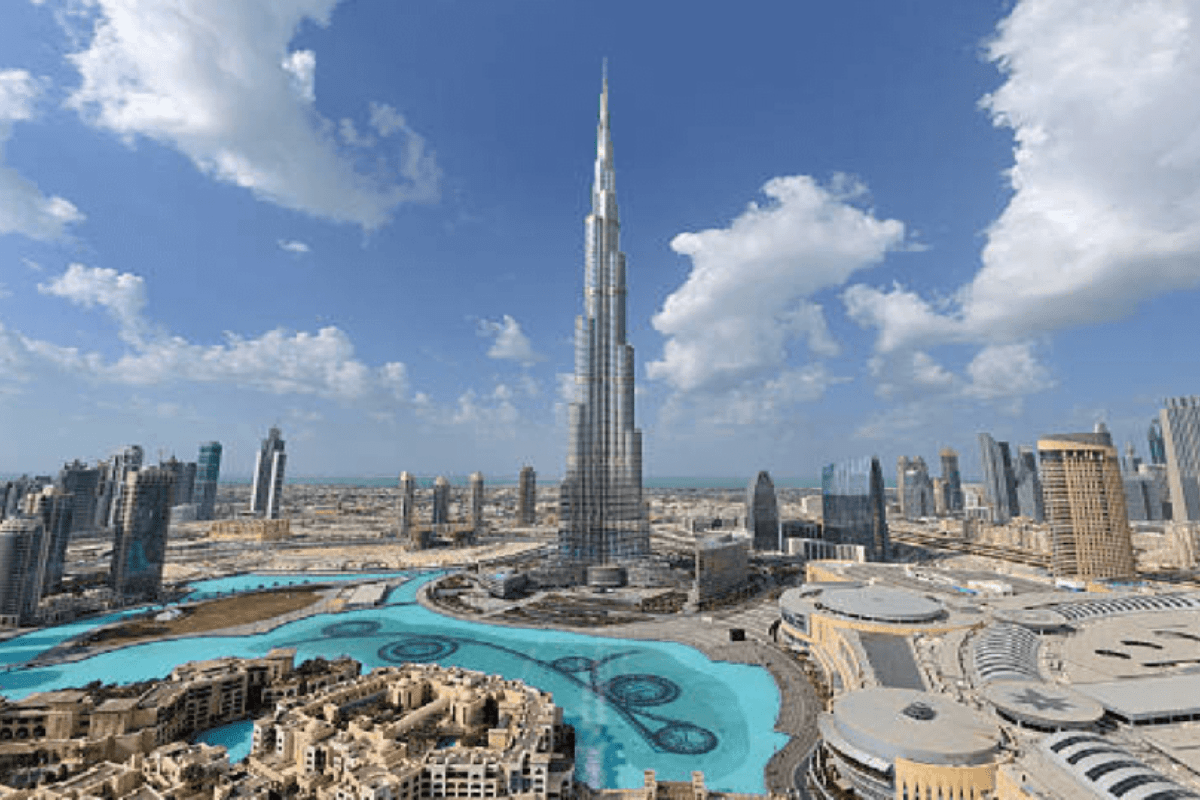
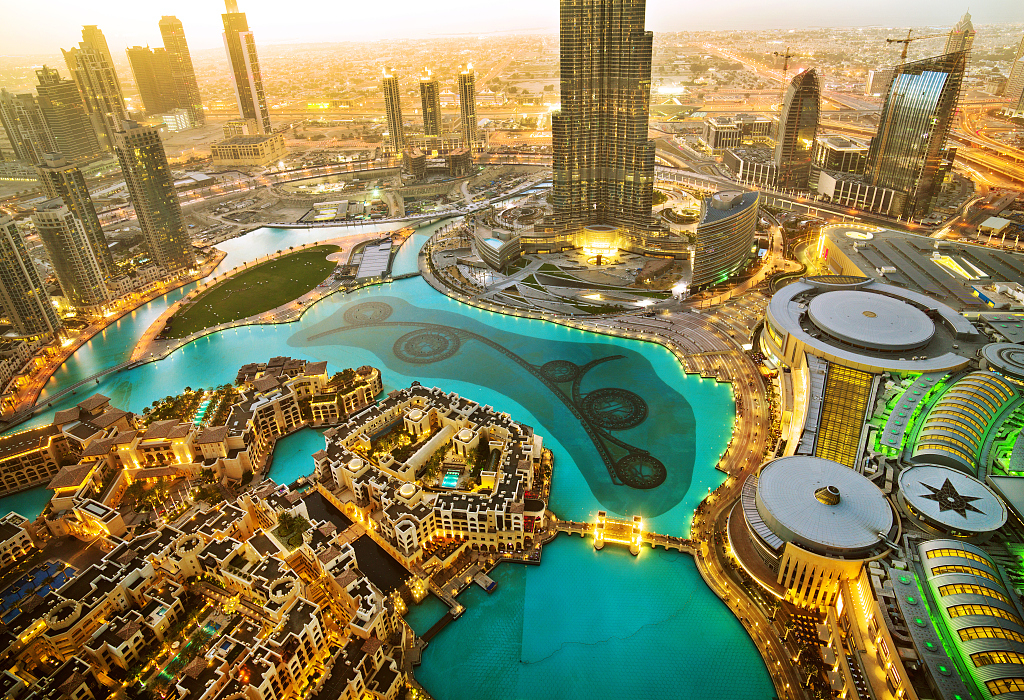
The Burj Khalifa dominates Dubai's skyline and is one of the city's most recognizable landmarks.

Palm Jumeirah

Palm Jumeirah is a major artificial island development that has become one of Dubai's signature landmarks.

Luxury Tourism

Dubai is known for luxury hotels, resorts, restaurants, shopping destinations, beaches, and high-end experiences.

Shopping

Dubai has developed a major retail industry ranging from traditional souks to enormous modern shopping malls.

Desert Experiences

The desert surrounding Dubai provides a completely different experience from the city's skyscrapers.

Visitors can experience:

  • Desert safaris
  • Dune bashing
  • Camel rides
  • Sandboarding
  • Desert camps
  • Sunset photography
  • Traditional entertainment
Instant
Save 10%
Morning Desert Safari
Dubai
4.8 (34)

Morning Desert Safari

4 Hours Pickup Mobile
Instant
Evening Desert Safari
Dubai
4.9 (128)

Evening Desert Safari

6 Hours Pickup Mobile
Instant
Save 7%
Overnight Desert Safari
Dubai
4.9 (41)

Overnight Desert Safari

18 Hours (Overnight) Pickup Mobile

International Events

Dubai hosts major business, sporting, cultural, entertainment, and tourism events throughout the year.

Dubai Culture and Heritage

Although Dubai is strongly associated with modern architecture, its cultural identity is deeply connected to Emirati traditions.

Traditional culture can be experienced through:

  • Historic neighborhoods
  • Souks
  • Arabic cuisine
  • Emirati hospitality
  • Traditional architecture
  • Museums
  • Heritage sites
  • Desert experiences
  • Cultural performances
  • Dubai Creek

Visitors interested in the city's past can explore areas such as Al Fahidi Historical Neighbourhood and the traditional districts surrounding Dubai Creek.

Dubai Government and Ruling Family

Dubai is one of the seven emirates of the United Arab Emirates and has its own local government.

The emirate is ruled by the Al Maktoum family.

His Highness Sheikh Mohammed bin Rashid Al Maktoum is the Ruler of Dubai and also serves as Vice-President and Prime Minister of the UAE. He became Ruler of Dubai on 4 January 2006.

The Government of Dubai operates through various departments, authorities, and government entities under the wider governmental structure of the emirate.

Language in Dubai

Arabic is the official language of the UAE.

However, Dubai's international population means that English is extremely widely used in:

  • Hotels
  • Restaurants
  • Shopping malls
  • Airports
  • Tourism
  • Business
  • Public services

Visitors can generally travel around Dubai comfortably using English.

Learning a few Arabic expressions such as Marhaba (hello) and Shukran (thank you) can also be a pleasant way to connect with the local culture.

Religion and Culture

Islam is the official religion of the UAE, while Dubai's international population includes people from many different religious and cultural backgrounds.

Visitors are generally welcomed into a multicultural environment, but travelers should respect local customs, especially regarding:

  • Dress
  • Public behavior
  • Religious sites
  • Ramadan etiquette
  • Photography
  • Alcohol regulations

Dubai Climate

Dubai has a tropical desert climate.

The city generally experiences:

  • Hot summers
  • Warm winters
  • Very little rainfall
  • High humidity during some periods
  • Pleasant outdoor conditions during the cooler months

Best Time to Visit Dubai

For many travelers, the cooler period from roughly November through March is especially attractive for outdoor activities and sightseeing.

This is also a popular period for desert safaris, beaches, walking tours, and outdoor attractions.

Summer can be extremely hot, but it can also be suitable for travelers who primarily plan to enjoy indoor attractions, shopping malls, hotels, restaurants, and other air-conditioned venues.

Famous Places in Dubai

Some of Dubai's best-known attractions include:

The city also offers numerous family attractions, cultural experiences, adventure activities, and desert excursions.

Things to Do in Dubai

Dubai offers activities for different types of travelers.

For First-Time Visitors

A Dubai city tour can combine major landmarks and help travelers understand the layout of the city.

For Adventure Seekers

Popular experiences include:

  • Desert safari
  • Dune bashing
  • Quad biking
  • Sandboarding
  • Water sports
  • Ziplining and mountain activities in Hatta

For Families

Families can explore:

  • Theme parks
  • Aquariums
  • Water parks
  • Dubai parks and gardens
  • Family entertainment centers
  • Dubai Dolphinarium
  • Shopping and entertainment complexes

For Culture Lovers

Travelers interested in heritage can explore:

  • Dubai Creek
  • Traditional souks
  • Al Fahidi Historical Neighbourhood
  • Museums
  • Heritage sites
  • Emirati cuisine
  • Traditional markets

Dubai Transportation

Dubai has an extensive transportation network designed to serve residents, workers, and tourists.

Common transportation options include:

  • Dubai Metro
  • Public buses
  • Taxis
  • Tram
  • Private cars
  • Ride-hailing services
  • Water transport

Dubai Metro is particularly useful for reaching many major commercial and tourist areas without driving.

Dubai also has one of the world's busiest international aviation hubs through Dubai International Airport.

Interesting Facts About Dubai

Here are some quick facts that help explain what makes Dubai unique:

  1. Dubai is one of the seven emirates of the UAE.
  2. Dubai is the UAE's second-largest emirate by area, covering about 4,114 km².
  3. Dubai's modern ruling dynasty, the Al Maktoum family, has governed the emirate since 1833.
  4. Dubai Creek played a major role in the city's early trading economy.
  5. Dubai exported its first oil in 1969.
  6. Dubai's population reached approximately 4.58 million at the end of 2025.
  7. Dubai has a coastline of approximately 72 km.
  8. Dubai's economy is highly diversified and is no longer primarily dependent on oil.
  9. Dubai is a major global tourism, trade, aviation, and business hub.
  10. Dubai includes both modern urban areas and traditional heritage districts.
  11. Dubai's Hatta region provides a mountainous landscape within the emirate.
  12. The UAE Dirham (AED) is the official currency.
  13. Dubai operates on Gulf Standard Time, UTC+4.
  14. Dubai's economy includes tourism, trade, finance, real estate, transport, logistics, and professional services.
  15. Dubai attracts millions of international visitors because of its combination of attractions, infrastructure, hospitality, shopping, beaches, and desert experiences.

Dubai vs. the United Arab Emirates

It is important to understand the difference between Dubai and the UAE.

Dubai is an emirate.
The United Arab Emirates is the country.

The UAE consists of seven emirates:

  1. Abu Dhabi
  2. Dubai
  3. Sharjah
  4. Ajman
  5. Umm Al Quwain
  6. Ras Al Khaimah
  7. Fujairah

Abu Dhabi is the capital of the UAE, while Dubai is its most internationally recognized tourism and business destination.

Is Dubai Worth Visiting?

Yes. Dubai offers a combination that is difficult to find in one destination.

Visitors can experience a modern global city in the morning, explore historic neighborhoods in the afternoon, and travel into the desert for sunset.

Its appeal comes from the contrast between:

Modern Dubai + Traditional Dubai + Arabian Desert + Arabian Gulf

Whether you are interested in architecture, shopping, food, culture, beaches, adventure, family attractions, or desert experiences, Dubai offers a broad range of activities.

Frequently Asked Questions About Dubai

What is Dubai famous for?

Dubai is famous for its skyscrapers, luxury tourism, shopping, beaches, desert safaris, international business, modern architecture, and attractions such as Burj Khalifa and Palm Jumeirah.

When was Dubai founded?

Modern Dubai is generally associated with the settlement of approximately 800 members of the Bani Yas tribe around Dubai Creek in 1833, led by the Al Maktoum family.

What is the population of Dubai?

The population of the Emirate of Dubai reached approximately 4.58 million by the end of 2025, according to data announced by Dubai's Data and Statistics Establishment.

Is Dubai a country?

No. Dubai is an emirate and city within the United Arab Emirates.

What country is Dubai in?

Dubai is in the United Arab Emirates, a country consisting of seven emirates.

What language is spoken in Dubai?

Arabic is the official language of the UAE, while English is extensively used throughout Dubai, particularly in tourism, business, hospitality, and retail.

What currency is used in Dubai?

The official currency is the United Arab Emirates Dirham (AED).

What is Dubai's main source of income?

Dubai has a diversified economy. Major sectors include trade, tourism, finance, real estate, transportation, logistics, hospitality, and professional services.

Is Dubai hot all year?

Dubai has a desert climate, with hot summers and generally warmer, more comfortable winters. Outdoor activities are usually more comfortable during the cooler months.

What is Dubai Creek?

Dubai Creek is a historic waterway that played an important role in Dubai's fishing, pearling, trade, and commercial development. It divides the traditional areas of Deira and Bur Dubai.

What are the best things to do in Dubai?

Popular activities include visiting major landmarks, exploring historic neighborhoods and souks, taking city tours, enjoying beaches and water activities, shopping, and going on a Dubai desert safari.

Explore Dubai With All UAE Tours

Dubai is much more than its famous skyline. Its story stretches from fishing and pearling communities around Dubai Creek to a globally connected city known for tourism, trade, finance, innovation, and hospitality.

If you are planning a trip, explore Dubai through All UAE Tours and discover city sightseeing, desert safaris, cultural experiences, family attractions, adventure activities, and other experiences across the emirate.

From historic Dubai Creek to the Arabian Desert and the modern Downtown skyline, there is always another side of Dubai to discover.
Thank you for reading All UAE Tours Blog!

Related Articles

Burj Khalifa Essentials and Facts
Mar 01, 2024

Burj Khalifa Essentials and Facts

The Burj Khalifa is a skyscraper in Dubai, United Arab Emirates, that stands at a height of 830 meters. It is well-recognized as the world's tallest building and Dubai's most well-known tourist attraction. This page introduces some building facts as well as associated information. Appellation (Title) Burj Khalifa is Arabic for "Khalifa Tower." Formerly known as Burj Dubai or Dubai Tower, the name was changed to Burj Khalifa on January 4, 2010, when the tower formally opened. The word Khalifa is derived from the name of Sheikh Khalifa Bin Zayed Al Maktoum, the president of Abu Dhabi and the United Arab Emirates. Due to the onslaught of the Financial Crisis, the Burj Khalifa and other development projects in Dubai were once on the edge of being halted, and it was neighboring Abu Dhabi that was on the verge of being halted. The major reason for this is because of Abu Dhabi, which gave cash to Dubai during this tough time. Furthermore, the word Khalifa has a significant meaning in Islam; it refers to the Islamic world's top leader. Development The exterior of the structure was finished on October 1, 2009, after construction began in January 2004. The structure, which is part of the 2 km2 (490-acre) Downtown Dubai development at the 'First Interchange' along Sheikh Zayed Road, near Dubai's main business center, opened on January 4, 2010. Skidmore, Owings & Merrill of Chicago designed and engineered the tower, with Adrian Smith as chief architect and Bill Baker as the chief structural engineer. The major contractor was Samsung C&T of South Korea. Records The Burj Khalifa set several world records, including the following: 829.8 m (2,722 ft) Tallest extant structure (formerly KVLY-TV mast – 628.8 m or 2,063 ft) World's highest elevator installation (situated inside a rod at the very top of the building) 829.8 m (2,722 ft) Tallest freestanding structure (formerly CN Tower – 553.3 m or 1,815 ft) Tallest structure ever built: 829.8 m (2,722 ft) (before, the Warsaw radio mast, which stood at 646.38 m or 2,722 ft). Building with most floors: 163 (previously World Trade Centre – 110) Tallest skyscraper (to top of spire): 828 m (2,717 ft) (previously Taipei 101 – 509.2 m or 1,671 ft) World's highest restaurant (At.mosphere): 122nd floor at 442 m (1,450 ft) (previously 360, at a height of 350 m (1,148 ft) in CN Tower) The world's highest New Year's Eve fireworks show. The world's biggest light and sound extravaganza on a single structure Tallest skyscraper to top of antenna: 829.8 m (2,722 ft) (previously the Willis (formerly Sears) Tower – 527 m or 1,729 ft) Elevators with the world's longest trip distance: 504 m (1,654 ft) 606 m is the highest vertical concrete pumping (for a structure) (1,988 ft) The world's highest building with living quarters World's highest installation of an aluminum and glass façade: 512 m (1,680 ft) World's highest nightclub: 144th floor Elevation (Height) Burj Khalifa's architectural elevation is 828 meters (2717 feet), measured from the top of the spire, which is considered an architectural element of the tower. Before 2010, the Burj Khalifa's height was kept a secret to prevent it from being surpassed by possible competitors. Finally, the owner Emaar declared that the Burj Khalifa's standard height is 828 meters, with a total height of 829.8 meters (there's a 1.7 meter tiny needle above the top of the spire at 828 meters), making it the world's tallest skyscraper in all categories. Burj Khalifa has held the title of the World's Tallest Building for ten years, and it will continue to do so for another three to five years until either the Dubai Creek Tower or the Jeddah Tower exceeds it in 2022 or later. Level 154, which is 584 meters above ground, is the highest occupied floor. There are three observation decks for public viewing, located on levels 124, 125, and 148, respectively. With a height of 555 meters, the one on level 148 is now the world's highest observation deck. Locality Burj Khalifa's address is 1 Sheikh Mohammed bin Rashid Boulevard, Dubai, United Arab Emirates; the tower is located in Downtown Dubai, an area along Sheikh Zayed Road; it's one of several districts in the city filled with high-rise buildings; another district with a significant amount of skyscrapers is Dubai Marina; the two districts are about 11 miles apart. Burj Khalifa is 2.1 miles from the sea, thus the natural vista around the tower is not as appealing as Dubai Marina's, but there are numerous man-built lakes and rivers around the tower, which have made up for the deficit to some extent. Customs (Uses) The mixed-use skyscraper serves a range of functions, including office, residential, hotels, restaurants, observation, and communication. Armani uses the 39th floor, or level 39, and the floors below as hotels or homes; the floors from level 39 to 108 are primarily utilized for housing. Except levels 124,125, and 148, which are three distinct observation decks for public viewing, all of the levels above 108 to 154 are office spaces. At.mosphere, a restaurant on level 122, is another option. All mechanical floors are located above levels 154 to 163. There are a total of 2909 stairs from the ground floor to the 160th story, making it the tallest building in the world. The number of floors of the Burj Khalifa is widely recognized as 163, but a 2717-foot skyscraper couldn't possibly have just 163 levels, right? That's because the floors above level 163 and below the spire serve as the spire's base construction, which isn't livable and isn't used for mechanical purposes, the building now has a total of 209 stories after rising 46 stories. Burj Khalifa Features The Dubai Fountain Outside, WET Enterprises developed a Dh 800 million (US$217 million) fountain system. It is 270 meters (900 feet) long and sprays water 150 meters (500 feet) into the air, with 6,600 lights and 50 colored projectors. It is accompanied by a variety of classical to modern Arabic and other music. It is the biggest choreographed fountain in the world. Emaar announced on October 26, 2008, that the Dubai Fountain would be named after the winner of a naming contest. Observation deck On the 124th level, At the Top, an outdoor observation deck opened on January 5, 2010. When it first opened, it was the world's tallest outdoor observation deck, standing at 452 meters (1,483 feet). Although Cloud Top 488 on the Canton Tower in Guangzhou at 488 m (1,601 ft) surpassed it in December 2011, Burj Khalifa reclaimed the title of the world's highest observation deck on October 15, 2014, when it opened the 148th-floor SKY level at 555 m (1,821 ft), until the Shanghai Tower opened in June 2016 with an observation deck at a height of 561 m. The electronic telescope, an augmented reality device developed by Gsmprjct° of Montréal, is located on the 124th-floor observation deck and allows visitors to view the surrounding landscape in real-time as well as view previously saved images such as those taken at different times of the day or in different weather conditions. To alleviate the daily flow of tourists, management enables visitors to purchase tickets in advance for a certain date and time at a 75 percent discount off the price of tickets purchased on the spot. After power outages led an elevator to become stuck between floors, trapping a group of visitors for 45 minutes, the observation deck was closed to the public for two months on February 8, 2010. People can view the Iranian beaches from the top of the tower when the tide is low and visibility is good. Burj Khalifa Park The Burj Khalifa is surrounded by an 11-hectare (27-acre) park designed by SWA Group. The park's design, like the tower, was inspired by the Hymenocallis flower, a desert plant. The water room, which consists of a series of pools and water jet fountains, is located in the heart of the park. Images of the Burj Khalifa with the Hymenocallis flower can be found on benches and signage. Irrigation collected from the building's cooling system is used to water the plants. Annually, the system produces 68,000,000 L (15,000,000 imp gal). The park's six water elements were designed by WET Enterprises, the same company that created the Dubai Fountain. Burj Khalifa Tickets Cost in 2021 The cost of Burj Khalifa tickets varies depending on when you visit. The figures shown here are the initial costs. Prices may be higher during busy hours (particularly after sunset). The rates shown below are from the official website; however, numerous other websites provide discounts regularly. Tickets for "At the Top" level of the Burj Khalifa - floors 124 and 125 General entrance fee With this self-guided tour, you may take in panoramic views from floors 125 and 124 at your leisure. Ticket for non-prime hours (from 9 a.m. to 3:30 p.m. and from 6:30 p.m. to closing): Adult (12 years and above) - Tickets start at 154 AED (about 42 USD or 3,060 INR) Child (4-12 years) - Tickets start at 119 AED (about 33 USD or 2,365 INR) FREE for children under the age of four. Primary hours ticket (from 4 pm to 6 pm) Adult (12 years and above) - Tickets start at 229 AED (about 63 USD or 4,550 INR) child (4-12 years) - Tickets start at 137 AED (about 38 USD or 2,722 INR) FREE for children under the age of four. Fast track entry With this Burj Khalifa ticket, you may avoid the lengthy ticket lines and go right to the elevators that will whisk you to the 124th and 125th floors. Ticket prices are as follows: Adults (12 years and older): 323 AED (88 USD) At the Top Along With Armani Deli Combine an At the Top tour with a three-course set lunch at Dubai's first Armani Hotel. The cost of a ticket is 309 AED (84 USD) At the Top + Rooftop, The Burj Club Complement your trip to the top with a 3-course set dinner at the Rooftop, of The Burj Club, which offers outdoor dining with views of the Dubai Fountain and the Burj Khalifa. The cost of a ticket is 284 AED (78 USD) Burj Khalifa tickets – floor 148 (At the Top Sky) At the Top Sky At Burj Khalifa's Level 148, see the world's tallest observation deck with an outdoor patio. For complimentary beverages, be led to the SKY lounge. Tickets for non-prime hours (from 7 p.m. until closing): Adult (12 years and older) - Ticket prices start at 364 AED (99 USD or 7,232 INR) Child (4-12 years): Tickets start at 364 AED (99 USD or 7,232 INR)  Free for children under the age of four. Ticket for prime hours (from 9:30 a.m. to 6 p.m.): Adult (12 years and older) - Ticket prices start at 464 AED (127 USD or 9,220 INR)  Ticket pricing for a child (4-12 years) starts at 464 AED (127 USD or 9,220 INR) Free for children under the age of four. VIP Lounge – Floor 154 The VIP Lounge is on the top floor of the Burj Khalifa and is open to the public. Only at 4 p.m., during twilight hours, is access to the VIP Lounge permit The cost of a ticket for an adult or a kid is 754 AED per person (about 205 USD or 15,000 INR). If you genuinely want to have a once-in-a-lifetime experience in Dubai, make sure to go up the Burj Khalifa. Tickets are available for purchase online or at the box office (note that buying the tickets at the entrance is more expensive). If you genuinely want to have a once-in-a-lifetime experience in Dubai, make sure to go up the Burj Khalifa. Tickets are available for purchase online or at the box office (note that buying the tickets at the entrance is more expensive). Burj Khalifa's opening hours The Burj Khalifa is open from 8.30 a.m. to 10 p.m. every day. Sunrise tours are available at 5.30 a.m. on Friday and Saturday. Please keep in mind that ticket costs change based on when you visit and whatever experience you choose, such as the At the Top or the Sky deluxe lounge. Places to Visit around Burj Khalifa Dubai Aquarium & Underwater Zoo The world-class Dubai Aquarium & Underwater Zoo, with hundreds of aquatic species and a 270-degree walkthrough tunnel, is located in the Dubai Mall. The aquarium is home to the world's largest acrylic panel, which was officially recognized by the Guinness Book of World Records. Piranha, penguins, crocodiles, lizards, snakes, otters, and eels are among the animals housed in the approximately 40 exhibits. You may go cage diving with sharks or take a ride on a glass-bottom boat to see over 33,000 aquatic creatures. Tickets for the Dubai Aquarium are available online or at the mall's ticket counter. A single entrance is allowed per ticket. Visitors are welcome to spend as much time as they like here. Visitors who come frequently can purchase a membership card to have access to exclusive benefits. Seven days a week, the Dubai Aquarium and Underwater Zoo are open. The hours of operation are 10 a.m. to 10 p.m. Sunday through Wednesday, and 10 a.m. to midnight Thursday through Saturday. Next to the mall is the Rainforest Café, which is a fantastic location to eat with kids. The rainforest-themed café includes life-size replicas of giraffes, gorillas, and crocodiles set in a replica of the rainforest. The aquarium tank is also visible. MAD Gallery The MAD Gallery is located in the brand-new Fashion Avenue, a premium shopping district. It contains several lovely artworks and art galleries, as well as 150 international high-end companies. The MAD gallery, located adjacent to Dior on the first level of Fashion Avenue, is unique. The MB&F M.A.D. The gallery is a fascinating kinetic art realm where Horological Machines and Mechanical Art Devices rule supreme. They are owned by Maximilian Busser, the creator of the MB&F watch company. He chooses all of the items on exhibit, including those made under his label. Not only will you find the full range of MB&F Horological Machines and Legacy Machines inside the galleries, but you'll also have the pleasure of discovering carefully curated pieces – or, as we like to call them, Mechanical Art Devices from all over the world – each one making your heart beat a little faster. Dubai Fountain The Dubai Fountain, the world's highest-performing fountain, is a fascinating water, music, and light display in Downtown Dubai. The Dubai Fountain, which spans over 900 feet and is the length of two football fields, is located on the 30-acre Burj Lake and features a variety of musical performances. The fountain dances to a variety of melodies ranging from classical to modern Arabic and global music. Michael Jackson's Thriller, Andrea Bocelli and Sarah Brightman's Time to Say Goodbye, and Korean pop band EXO's Power are all popular songs. The one-of-a-kind design has five rings of jets that spray water to dizzying heights visible from almost 30 kilometers away. The show is a visual marvel, with thousands of WET super lights and over 20 color projectors. The laser beam may be seen from 32 kilometers away. If standing to the side of the fountain isn't close enough, the Dubai Fountain Lake Ride may get you even closer. You can also sail on a traditional Abra on the Burj Lake for the finest display of the fountains, or take the boardwalk for AED 20 for the best view of the fountains. The fountains are only 9 meters distant from the nearest point. Every day at 1.30 p.m., the fountain begins to run at half-hour intervals until 6 p.m., when it stops. Performances are free and may be watched in a variety of places across Downtown Dubai. The seaside promenade immediately outside the Dubai Mall is the most popular spot. Thousands of people stream out of the mall just before each show, making the area very congested. The stroll through Souk Al Bahar is much less congested and provides a more enjoyable viewing experience. At a busy hour, spectators leaving the Dubai Mall will need to set aside about 15 minutes to secure a place. Souk al Bahar Souk Al Bahar, the "sailor's market," is a trip back in time to the wonder and enchantment of old Arabia, blending the traditional with the contemporary. It is enchantingly Arabesque - a vibrant marketplace that gives the city's residents and tourists alike an exciting experience of shopping, entertainment, and dining in interesting contrast to The Dubai Mall – and is located in Downtown Dubai's pulsating core. It has approximately 100 stores, including 22 restaurants, cafés, and lounges, the majority of which are located on the waterfront promenade on the outskirts of Burj Lake. Souk al Bahar is home to some of Dubai's top restaurants, as well as some unusual eateries serving a wide range of cuisines. Thai cuisine is served at Mango Tree, British cuisine is served at Rivington Grill, and Cuban cuisine is served at Café Habana, as well as the Time Out Dubai Restaurant Award winner Baker & Spice. The outdoor dining restaurants provide the finest views of the Burj Khalifa and the Dubai Fountain, which is undoubtedly one of the world's most photographed places. Public Outdoor Art Work Beautiful public art may also be seen in the heart of Downtown Dubai, near the Souk Al Bahar and the Dubai Fountains. Donald Greig's Camels is a collection of three life-size sculptures of modest creatures. Camels are a real Arabian Gulf emblem. A standing camel, a sitting camel, and a camel calf make up the trio. Greig is known for his wildlife sculptures, and he produced Camels after spending hours watching and riding camels. The sculptures were then melted down into silicone before being molded in wax. They were then dipped in 15 layers of ceramic before being completed with molten bronze. The tallest camel is 3 meters tall, and all three weigh around 800 kilos. Dubai Opera building The Dubai Opera House may also be seen from the Burj Plaza. It is Dubai's gleaming Centre of culture and the sparkling gem of The Opera District. The construction is primarily made of glass, with a translucent entryway and a 'box inside a box' sense to allow light to flow in. The main chandelier at the Dubai Opera weighs 5000kg and includes 2900 LEDs, while the building has 600 lighting fixtures. While the opera house's dhow-inspired design pays homage to the region's nautical history, the interior's utilitarian features are very much of the era. The internal space's functional configuration ranges from a concert hall setting for 1,901 people to a theatre setting for 1,875 people, thanks to cutting-edge hydraulic technology, moving floor plates, and a series of overhead reflectors; box seating provides additional space. The building's "flat floor" mode allows it to accommodate a broad range of events, including weddings, trade fairs, exhibitions, and banquets for up to 1,000 people. The Lounge- Burj Khalifa The Burj Khalifa Lounge will be open every day from the 152nd to 154th floors of the world's tallest structure. With a height of 575 meters, you'll need a head for heights to make a date here, but if you want a bird's eye view of the city, you've come to the perfect place. On the 152nd story, there's even an outside patio with glass walls for a spectacular view. Every day from 12.30 p.m. to 4 p.m., the Lounge Burj Khalifa will offer afternoon tea, sunset drinks, and canapés from 5.30 p.m. to 7 p.m., and evening drinks from 7.30 p.m. to midnight. Convenient guidelines The greatest time to visit At the Top is during the sunset hours when the sky is bathed in an amber hue. The sunset hours of 4:30 p.m. to 6:00 p.m. provide the finest opportunity to see the Dubai skyline in the evening!  Allow plenty of time to watch the sunset from the Burj Khalifa - security checks are required, and this is the busiest time of day. You may access "At The Top" during peak hours and spend as much time as you like up there. Aside from the difference in height, the primary distinction between the two floors is that SKY is quieter and features soft sitting everywhere. It's better to reserve ahead of time to guarantee you get the greatest time, and if you want to see the sunset, book at least 90 minutes in advance to get the most out of it. Don't forget that you may visit on Fridays and Saturdays as well. To get your tickets, scan your QR code at any of the kiosk offices around the Dubai Mall. You may also get them at the Burj Khalifa's entry, which is located on the Lower Ground Floor of the Dubai Mall. I hope this article was useful in helping you learn more about the Burj Khalifa tickets. If you have any queries, please leave them in the comments section below!

Read Article
United Arab Emirates | Geography, History, Finance & More
Mar 01, 2024

United Arab Emirates | Geography, History, Finance & More

The United Arab Emirates (UAE) is a federation of seven emirates located on the southeastern coast of the Arabian Peninsula. Known for its modern cities, distinctive architecture, desert landscapes, cultural heritage, international business centers, and world-class tourism, the UAE has developed into one of the Middle East's most important economic and travel destinations.The country combines a rich history with rapid modernization. From traditional fishing and pearling communities to global cities such as Dubai and Abu Dhabi, the UAE has experienced remarkable economic and social transformation since the federation was established in 1971.Whether you are planning a UAE holiday, researching the country's geography and history, or looking to understand its economy, government, culture, and tourism industry, this guide provides an overview of the United Arab Emirates.United Arab Emirates at a GlanceFactInformationOfficial NameUnited Arab EmiratesCapitalAbu DhabiNumber of Emirates7LocationSoutheastern Arabian PeninsulaOfficial LanguageArabicCurrencyUAE Dirham (AED)Political SystemConstitutional federationFederation Established2 December 1971AreaApproximately 83,600 km²ClimateDesert climateHighest PointJebel Jais, 1,934 metresTime ZoneUTC+4Currency PegAED 3.6725 = USD 1The UAE Government identifies Abu Dhabi as the federal capital and confirms that the country is a constitutional federation of seven emirates. The UAE dirham is officially abbreviated as AED and is pegged to the US dollar at AED 3.6725 per US dollar.Where Is the United Arab Emirates?The United Arab Emirates is located in Western Asia on the southeastern coast of the Arabian Peninsula.The country overlooks the Arabian Gulf and shares land borders with:Saudi Arabia to the west and southOman to the southeastIts geographical position has historically been important for trade between the Arabian Peninsula, the Gulf region, South Asia, East Africa, and other international markets.Geography of the UAEThe UAE has a diverse landscape despite its predominantly desert environment.Its geography includes:Vast desert areasSandy dunesCoastal plainsBeachesIslandsMountain rangesOasesSalt flats and wetlandsUrban areasThe country's eastern landscape becomes more mountainous, particularly around Fujairah and Ras Al Khaimah.Mountains in the UAEThe Hajar Mountains extend through the eastern part of the country and create some of the UAE's most dramatic scenery.The highest natural point in the UAE is Jebel Jais, located in Ras Al Khaimah, with an elevation of approximately 1,934 metres.CoastlineThe UAE has an extensive coastline along the Arabian Gulf, while Fujairah provides access to the Gulf of Oman on the country's eastern side.Coastal geography has played an important role in the UAE's history, particularly in fishing, pearling, maritime trade, and modern port development.The Seven Emirates of the UAEThe United Arab Emirates consists of seven emirates:Abu DhabiDubaiSharjahAjmanUmm Al QuwainRas Al KhaimahFujairahEach emirate has its own local government and distinctive geography, culture, economy, and attractions.Abu DhabiAbu Dhabi is the capital of the UAE and the largest emirate by area.It is the country's federal government center and is also a major energy, financial, cultural, and tourism destination. Abu Dhabi contains extensive coastline and more than 200 natural islands.Popular attractions include:Sheikh Zayed Grand MosqueLouvre Abu DhabiQasr Al WatanYas IslandSaadiyat IslandAbu Dhabi CornicheDesert landscapesDubaiDubai is one of the world's best-known tourism and business destinations.The emirate is famous for its modern skyline, shopping, entertainment, beaches, luxury hotels, business districts, and desert experiences.Popular attractions include:Burj KhalifaDubai MallPalm JumeirahDubai MarinaDubai CreekMuseum of the FutureDubai Desert SafariGlobal VillageSharjahSharjah is known for its museums, cultural institutions, heritage areas, family attractions, and traditional architecture.The emirate has been recognized for its emphasis on culture and heritage and offers travelers a different experience from the modern commercial atmosphere associated with Dubai.AjmanAjman is the smallest of the seven emirates by area.It offers beaches, a growing urban environment, traditional heritage sites, and a more compact destination experience.Umm Al QuwainUmm Al Quwain is one of the smaller and less densely populated emirates.It is known for its coastal environment, traditional activities, mangroves, and quieter atmosphere compared with Dubai and Abu Dhabi.Ras Al KhaimahRas Al Khaimah, often abbreviated as RAK, is known for its mountains, beaches, desert landscapes, heritage attractions, and outdoor adventures.Jebel Jais is one of its major natural attractions and is the highest mountain in the UAE.FujairahFujairah is located on the UAE's eastern coast and is the only emirate situated completely along the Gulf of Oman.Its landscape combines mountains, beaches, valleys, and coastal communities, making it particularly popular for outdoor and water-based experiences.History of the United Arab EmiratesThe history of the UAE extends thousands of years before the modern federation was created.Archaeological evidence indicates that people lived in the region as far back as approximately 6000 BC. Ancient communities depended on fishing, hunting, agriculture, animal grazing, and trade.Ancient UAEArchaeological discoveries across Abu Dhabi, Sharjah, Umm Al Quwain, and Ras Al Khaimah provide evidence of early settlements and pottery traditions.The Bronze Age included important archaeological periods such as:Jebel Hafeet periodUmm Al Nar periodWadi Suq periodThe region later developed sophisticated agricultural systems, including falaj irrigation, which helped communities cultivate land in a dry environment.Arrival of IslamIslam reached the region during the 7th century.According to the UAE Government's historical account, envoys associated with the Prophet Muhammad arrived in the region around AD 630, beginning a new period in the area's history.Maritime Trade and European InfluenceThe UAE's location along major maritime routes made the region important for trade.Portuguese influence expanded into the Arabian Gulf from the late 15th century, followed by changing European commercial and political interests.During the 18th and 19th centuries, British involvement in the Gulf increased. Agreements were eventually established with the sheikhs of the Trucial States.Formation of the United Arab EmiratesThe modern UAE was established as a federation in 1971.The formation of the country was driven by efforts to unite the emirates into a federation and establish a sovereign state.On 2 December 1971, six emirates formed the United Arab Emirates:Abu DhabiDubaiSharjahAjmanUmm Al QuwainFujairahRas Al Khaimah joined the federation in February 1972.Sheikh Zayed bin Sultan Al Nahyan became the UAE's first President and is widely regarded as the founding father of the federation.Government and Political SystemThe UAE is a constitutional federation consisting of seven emirates.The federal system includes five main federal authorities:The Federal Supreme CouncilThe President and Vice-PresidentThe CabinetThe Federal National CouncilThe Federal JudiciaryLocal governments also operate within each emirate.President of the UAEThe current President of the United Arab Emirates is Sheikh Mohamed bin Zayed Al Nahyan, who also serves as Ruler of Abu Dhabi. He assumed the presidency in May 2022.UAE Economy and FinanceThe UAE has developed from an economy heavily associated with oil and gas into a diversified economy with major activity across numerous sectors.The country's strategic location, financial reserves, sovereign wealth funds, investment environment, free zones, infrastructure, and economic diversification policies all contribute to its economic position.Major Economic SectorsImportant sectors include:Oil and gasTourism and hospitalityReal estateFinancial servicesInternational tradeLogisticsAviationConstructionManufacturingTechnologyRenewable energyHealthcareProfessional servicesOil and GasOil and gas played a major role in the UAE's economic development, particularly in Abu Dhabi.Energy revenues helped finance infrastructure, education, healthcare, transportation, and large-scale national development.At the same time, the UAE has pursued economic diversification to develop industries beyond hydrocarbons.Non-Oil EconomyNon-oil sectors have become increasingly important to the UAE economy.According to UAE Government data, the country's 2023 GDP at current prices was approximately AED 1.88 trillion, while non-oil GDP at current prices reached approximately AED 1.43 trillion.This diversification includes tourism, trade, financial services, logistics, technology, manufacturing, real estate, and other industries.UAE Currency and FinanceThe official currency is the UAE dirham, abbreviated as AED.One dirham is divided into 100 fils.The UAE Government states that the dirham has been pegged to the US dollar since 2002 at:US$1 = AED 3.6725UAE as a Financial CenterDubai and Abu Dhabi have developed into major financial and business centers.The country's financial ecosystem includes commercial banks, investment companies, insurance providers, capital markets, free zones, and specialized financial centers.Abu Dhabi is also developing its position as an international financial and innovation hub.UAE Trade and BusinessThe UAE's location between major markets in Asia, Europe, Africa, and the Middle East has helped it develop into an important trading and logistics hub.The country has major ports, airports, free zones, logistics networks, and business centers that support international trade.UAE Government figures show that non-oil foreign trade reached approximately AED 2.233 trillion in 2022, including imports, non-oil exports, and re-exports.Population and DiversityThe UAE has a highly international population.Alongside Emirati citizens, the country is home to large expatriate communities from Asia, Europe, Africa, and other parts of the world.This international population contributes to the UAE's multicultural environment and means that many languages are commonly heard throughout the country.Arabic is the official language, while English is widely used in business, tourism, education, transportation, and everyday communication.Language in the UAEArabic is the official language of the United Arab Emirates.English is widely spoken and understood, especially in major tourist destinations and business environments.Other languages commonly spoken by residents include:HindiUrduMalayalamBengaliFarsiTurkishFrenchRussianChineseRoad signs and many commercial signs are commonly displayed in both Arabic and English.Religion and CultureIslam is the official religion of the UAE.Emirati culture reflects traditional Arab and Islamic values while also incorporating influences from the country's diverse international population.Visitors can experience Emirati heritage through:Traditional architectureArabic hospitalityEmirati cuisineSouksMuseumsHeritage villagesTraditional craftsCultural festivalsDesert experiencesFalconryTraditional music and danceThe UAE also promotes a policy of tolerance and coexistence among different communities.UAE ClimateThe UAE has a predominantly desert climate.Summers are generally very hot and can be humid, particularly along the coast. Winters are milder and are generally more comfortable for outdoor activities.Mountainous areas in the eastern part of the country can experience cooler conditions than the coastal and desert regions.Best Time to Visit the UAEFor many travelers, the cooler period from approximately November through March is among the most comfortable times for sightseeing and outdoor activities.This period is particularly suitable for:Desert safarisBeach activitiesCity toursOutdoor attractionsHikingHeritage explorationOutdoor diningSummer can still be a good time to visit for travelers who prefer indoor attractions, shopping, hotels, museums, and air-conditioned entertainment.Tourism in the United Arab EmiratesTourism is one of the UAE's most important non-oil industries.The country offers a combination of modern attractions and traditional experiences, allowing travelers to move between skyscrapers, beaches, deserts, mountains, cultural districts, and historic sites within the same trip.Popular UAE Travel ExperiencesVisitors can enjoy:Dubai city toursAbu Dhabi sightseeingDesert safarisDune bashingCamel ridesSandboardingBeach holidaysWater sportsCultural toursHeritage experiencesLuxury resortsShoppingTheme parksWildlife and nature experiencesMountain adventuresWhy Is the UAE Popular With Tourists?The UAE has become a major international tourism destination because of its combination of infrastructure, accessibility, attractions, hospitality, entertainment, and diverse landscapes.Travelers can experience a modern city environment in Dubai, cultural and architectural attractions in Abu Dhabi and Sharjah, mountain adventures in Ras Al Khaimah and Fujairah, and quieter coastal experiences in the northern emirates.Famous Places to Visit in the UAESome of the country's best-known attractions include:DubaiBurj KhalifaDubai MallPalm JumeirahDubai MarinaDubai CreekMuseum of the FutureDubai Miracle GardenGlobal VillageDubai Desert SafariAbu DhabiSheikh Zayed Grand MosqueLouvre Abu DhabiQasr Al WatanYas IslandFerrari World Abu DhabiSaadiyat IslandSharjahHeart of SharjahSharjah Museum of Islamic CivilizationAl Noor IslandAl Majaz WaterfrontRas Al KhaimahJebel JaisRas Al Khaimah beachesWadi and mountain landscapesHeritage attractionsFujairahFujairah beachesAl Bidyah MosqueHajar Mountain landscapesDiving and snorkeling locationsUAE TransportationThe UAE has an extensive modern transportation network.Travelers can use:Metro systemsTaxisBusesRental carsPrivate transfersDomestic and international flightsDubai Metro is particularly useful for traveling between major areas of Dubai, while taxis and private vehicles provide access to destinations outside metro routes.The country's international airports also connect the UAE with destinations throughout the Middle East, Asia, Europe, Africa, and beyond.UAE Time ZoneThe United Arab Emirates operates on Gulf Standard Time (GST), UTC+4.The country does not currently observe seasonal daylight-saving time.UAE FlagThe UAE flag consists of four colors:RedGreenWhiteBlackThe colors are arranged with a vertical red section along the flagpole and three horizontal bands of green, white, and black.The colors are associated with different historical and symbolic interpretations connected with Arab identity, values, strength, peace, and prosperity.UAE National DayThe UAE celebrates its national day on 2 December each year.The date marks the establishment of the federation in 1971 and is an important national celebration throughout the seven emirates.Festivities commonly include:FireworksCultural performancesDecorationsFamily eventsConcertsPublic celebrationsIs the UAE Worth Visiting?The UAE is an excellent destination for travelers looking for a combination of modern attractions, culture, adventure, beaches, desert landscapes, shopping, food, and luxury experiences.One of its biggest advantages is the variety available across the seven emirates. A trip can combine Dubai's modern skyline, Abu Dhabi's cultural attractions, Sharjah's heritage, Ras Al Khaimah's mountains, Fujairah's coastline, and the quieter environments of Ajman and Umm Al Quwain.Frequently Asked Questions About the United Arab EmiratesWhat is the United Arab Emirates?The United Arab Emirates is a federation of seven emirates located on the southeastern Arabian Peninsula. The seven emirates are Abu Dhabi, Dubai, Sharjah, Ajman, Umm Al Quwain, Ras Al Khaimah, and Fujairah.What is the capital of the UAE?Abu Dhabi is the federal capital of the United Arab Emirates. It is also the largest emirate by area.How many emirates are there in the UAE?There are seven emirates: Abu Dhabi, Dubai, Sharjah, Ajman, Umm Al Quwain, Ras Al Khaimah, and Fujairah.When was the UAE founded?The United Arab Emirates was established on 2 December 1971 when six emirates formed the federation. Ras Al Khaimah joined in February 1972.What is the currency of the UAE?The official currency is the UAE dirham (AED). The dirham is pegged to the US dollar at AED 3.6725 per US dollar.What language is spoken in the UAE?Arabic is the official language. English is widely spoken, particularly in tourism, business, education, and major cities.What is the UAE famous for?The UAE is famous for its modern cities, skyscrapers, luxury tourism, shopping, desert landscapes, beaches, cultural attractions, business centers, and diverse international communities.What is the UAE economy based on?The UAE economy includes oil and gas as well as major non-oil sectors such as tourism, trade, finance, logistics, real estate, manufacturing, technology, and professional services.What is the climate like in the UAE?The UAE has a desert climate. Summers are generally very hot and humid, while winters are considerably more comfortable for outdoor activities. Mountain areas can be cooler.What is the highest mountain in the UAE?Jebel Jais in Ras Al Khaimah is the highest point in the UAE, reaching approximately 1,934 metres above sea level.What are the best places to visit in the UAE?Popular destinations include Dubai, Abu Dhabi, Sharjah, Ras Al Khaimah, and Fujairah. Each emirate offers different attractions, landscapes, cultural experiences, and activities.Explore the United Arab Emirates With All UAE ToursThe UAE is much more than Dubai. Across its seven emirates, travelers can discover deserts, beaches, mountains, heritage sites, cultural attractions, modern architecture, family entertainment, and unforgettable adventures.Whether you want to experience a Dubai desert safari, Abu Dhabi sightseeing tour, mountain adventure in Ras Al Khaimah, cultural attractions in Sharjah, or coastal experiences in Fujairah, explore the UAE with All UAE Tours and discover experiences across the Emirates.

Read Article
A Travel Guide to Yas Island
Mar 01, 2024

A Travel Guide to Yas Island

Yas Island is one of Abu Dhabi's most popular entertainment and leisure destinations, combining world-class theme parks, beaches, shopping, dining, hotels, sports, and live entertainment in one convenient location.Located on the eastern side of Abu Dhabi, Yas Island is particularly popular with families, couples, adventure seekers, motorsport fans, and travelers looking for an action-packed UAE getaway. It is also close to Zayed International Airport, making it a convenient destination for visitors with limited time in Abu Dhabi.From the high-speed attractions of Ferrari World and the water rides of Yas Waterworld to Warner Bros. World, SeaWorld, Yas Marina Circuit, Yas Bay Waterfront, and Yas Mall, there are plenty of ways to spend a few hours or several days on the island.Yas Island at a GlanceFeatureDetailsLocationAbu Dhabi, United Arab EmiratesDestination typeEntertainment, leisure and tourism destinationBest known forTheme parks, motorsport, shopping, beaches and entertainmentMajor theme parksFerrari World, Yas Waterworld, Warner Bros. World, SeaWorldMotorsport attractionYas Marina CircuitShoppingYas MallBeachYas BeachWaterfront areasYas Bay Waterfront and Yas MarinaAirport accessAround 15 minutes from Zayed International AirportAbu Dhabi city accessAround 30 minutes by carSuitable forFamilies, couples, adults, children and adventure seekersWhere Is Yas Island?Yas Island is located in Abu Dhabi, on the eastern side of the emirate near Zayed International Airport.The island is approximately 30 minutes by car from central Abu Dhabi and around 15 minutes from Zayed International Airport, making it one of the more accessible leisure destinations for visitors arriving in the capital.Its location also makes Yas Island a practical stop for travelers who have a long airport layover.Why Is Yas Island Famous?Yas Island is famous for bringing several major entertainment experiences together in one destination.The island is home to:Ferrari World Yas IslandYas WaterworldWarner Bros. World Yas IslandSeaWorld Yas IslandYas Marina CircuitYas MallYas BeachYas MarinaYas Bay WaterfrontYas Links Abu DhabiEtihad ArenaHotels and resortsThe combination of theme parks, shopping, dining, sports, and entertainment has made Yas Island one of Abu Dhabi's leading tourism destinations.Best Things to Do on Yas Island1. Visit Ferrari World Yas IslandFerrari World is one of Yas Island's signature attractions and is designed around the Ferrari brand, motorsport, speed, and technology.The park features more than 40 rides and attractions, including high-speed roller coasters and interactive experiences.It is particularly appealing to:Motorsport fansAdrenaline seekersFamiliesTeenagersRoller-coaster enthusiastsIf you enjoy fast rides, Ferrari World can easily become one of the highlights of your Yas Island visit.2. Spend the Day at Yas WaterworldYas Waterworld is a large waterpark featuring more than 40 rides, slides, and attractions.The park also incorporates elements inspired by Emirati pearl-diving heritage, giving the experience a local cultural connection alongside its water-based attractions.Yas Waterworld is particularly suitable for:FamiliesGroups of friendsChildrenTeenagersWater-park enthusiastsBecause it is an outdoor attraction, check the current operating schedule and conditions before visiting.3. Explore Warner Bros. World Abu DhabiWarner Bros. World brings famous DC superheroes and Warner Bros. characters into an immersive indoor theme-park environment.The park currently features six themed lands and 29 rides and kid-friendly attractions, along with live entertainment and character experiences.Because the attraction is indoors, it can be an especially convenient choice during Abu Dhabi's hotter months.Families with younger children may find Warner Bros. World particularly appealing because of its combination of themed rides, characters, entertainment, and indoor environments.4. Discover SeaWorld Yas IslandSeaWorld Yas Island offers a marine-life-focused experience combining themed environments, interactive attractions, animal encounters, and educational presentations.The official Yas Island site describes it as the region's first marine-life theme park, featuring eight immersive realms, more than 15 interactive experiences and rides, and more than 100 animal experiences and presentations.It can be a strong choice for families and travelers interested in marine life and educational entertainment.5. Experience Yas Marina CircuitYas Marina Circuit is one of the island's most famous landmarks and hosts the Formula 1 Abu Dhabi Grand Prix.You do not necessarily have to attend the Grand Prix to experience the circuit. Depending on the current schedule, visitors can participate in activities such as karting, track experiences, tours, and other motorsport-related activities.For Formula 1 fans, visiting Yas Island without seeing Yas Marina Circuit would mean missing one of its defining attractions.6. Visit Yas MallYas Mall is the island's major shopping and entertainment destination.Visitors can combine shopping with restaurants, cafés, entertainment, and access to nearby attractions.It is also useful when you want a break from outdoor activities, particularly during warmer parts of the day.7. Relax at Yas BeachYas Beach offers a change of pace from the island's theme parks and high-energy attractions.Visitors can enjoy:SwimmingSunbathingBeach relaxationWater activitiesDiningWaterfront viewsCurrent access arrangements and day-pass prices can change, so check the beach's latest conditions before visiting. The official Abu Dhabi tourism site currently lists separate access arrangements for hotel guests and day visitors.8. Explore Yas Bay WaterfrontYas Bay Waterfront is one of the island's popular places for dining, walking, entertainment, and evening activities.It provides a more relaxed atmosphere compared with the theme parks and is a good option for travelers who want to enjoy the island without spending the entire day on rides.The waterfront also hosts entertainment and events, including activities connected with Etihad Arena.9. Enjoy Yas MarinaYas Marina combines waterfront scenery with restaurants, cafés, and leisure experiences.It is particularly attractive around sunset and in the evening when visitors can enjoy dining beside the marina and watch boats moving through the water.10. Play Golf at Yas Links Abu DhabiGolf enthusiasts can visit Yas Links Abu Dhabi, a championship golf course overlooking the Arabian Gulf.The course provides another side of Yas Island that is very different from its theme parks and entertainment venues.Yas Island Theme ParksOne of the biggest advantages of Yas Island is the concentration of major theme parks in one destination.Ferrari WorldBest for:SpeedRoller coastersMotorsport fansThrill seekersYas WaterworldBest for:Water ridesFamiliesSummer entertainmentAdventureWarner Bros. WorldBest for:FamiliesChildrenIndoor entertainmentSuperhero and cartoon fansSeaWorld Yas IslandBest for:Marine-life experiencesFamiliesEducational attractionsInteractive experiencesYas Island also offers multi-park ticket options, allowing visitors to combine multiple parks during their trip.How Many Days Do You Need on Yas Island?The ideal length of your visit depends on how many attractions you want to experience.One Day on Yas IslandOne day works well if you want to visit one major attraction.For example:Morning: Ferrari WorldAfternoon: Yas MallEvening: Yas Bay WaterfrontAlternatively, you could spend the entire day at Yas Waterworld or Warner Bros. World.Two Days on Yas IslandTwo days allow you to experience two major attractions without rushing.For example:Day 1: Ferrari World + Yas MarinaDay 2: Yas Waterworld + Yas BayThree Days on Yas IslandThree days are better for families or travelers who want a slower trip.You could combine:Ferrari WorldYas WaterworldWarner Bros. WorldSeaWorldYas MallYas BeachYas BayYas MarinaThe official Abu Dhabi tourism authority also features a three-day Yas Island itinerary, highlighting the destination's ability to support a multi-day stay.Yas Island for FamiliesYas Island is particularly well suited to family holidays.Parents can choose from several types of experiences rather than relying on a single attraction.Family-friendly options include:Warner Bros. WorldSeaWorldYas WaterworldFerrari WorldYas MallYas BeachYas BayHotels with family facilitiesYou can also combine indoor and outdoor attractions to make the itinerary more comfortable depending on the weather.Yas Island for AdultsYas Island is not only a family destination.Adults can enjoy:Fine diningYas MarinaYas Bay nightlifeLuxury hotelsGolfMotorsport experiencesBeach clubsLive entertainmentConcerts at Etihad ArenaTheme-park ridesThe official Abu Dhabi tourism guide specifically highlights luxury resorts, golf, spa experiences, dining, motorsport, and entertainment for adult visitors.Yas Island for CouplesCouples can build a Yas Island itinerary around a mixture of adventure and relaxation.A possible day could include:Morning: Yas BeachAfternoon: Yas MallSunset: Yas MarinaEvening: Dinner at Yas Bay WaterfrontCouples looking for more adventure can replace the beach with Ferrari World or another theme park.Yas Island HotelsStaying on Yas Island can be convenient if your main goal is to visit the theme parks and entertainment attractions.The destination has a range of hotels and resorts, including properties associated with the island's major leisure attractions.Staying nearby can reduce travel time and make it easier to divide your visit across multiple days.For a short trip, choosing accommodation close to the attractions you want to visit can be particularly useful.How to Get to Yas IslandFrom Abu Dhabi CityYas Island is approximately 30 minutes from central Abu Dhabi by car under typical conditions.Taxi, private car, and public transportation options are available.From Zayed International AirportYas Island is approximately 15 minutes from Zayed International Airport by car.This makes the island particularly convenient for travelers with long layovers.The official Abu Dhabi tourism site also highlights a free shuttle connection from the airport to Yas Island, with specific bus services and stops for major attractions.Getting Around Yas IslandYas Island offers shuttle transportation connecting major hotels and attractions.The official tourism guide notes that visitors can use the free Yas Express shuttle to reach major destinations around the island.Is Yas Island Free to Visit?Yes. There is no general entrance fee simply to visit Yas Island.Visitors can explore public areas such as Yas Bay Waterfront and Yas Marina without purchasing a theme-park ticket.However, individual attractions, theme parks, concerts, and certain experiences require separate admission.This means you can visit Yas Island even if you do not plan to enter one of its theme parks.Best Time to Visit Yas IslandThe cooler months are generally the most comfortable time for outdoor activities in Abu Dhabi.From approximately November through March, temperatures are generally more suitable for spending time outdoors, visiting Yas Beach, walking around the waterfront, and enjoying outdoor attractions.During the hotter months, indoor attractions such as Warner Bros. World, shopping at Yas Mall, and other air-conditioned entertainment can be particularly convenient.Always check attraction operating hours before your visit because schedules can change seasonally.Yas Island Travel Tips1. Plan your theme parks in advanceIf you want to visit multiple parks, compare single-park and multi-park ticket options before purchasing.2. Allow a full day for major theme parksTrying to visit several major parks in a few hours can make your trip unnecessarily rushed.3. Wear comfortable clothingTheme parks involve significant walking, so comfortable shoes are important.4. Stay hydratedAbu Dhabi can be extremely hot, especially during summer.5. Check attraction schedulesOperating hours, shows, rides, and events can change.6. Consider staying on Yas IslandIf you plan to visit multiple attractions, staying nearby can make your itinerary easier.7. Use the island's shuttle servicesThe free shuttle network can be useful for moving between major Yas Island destinations.Yas Island and Abu Dhabi CityYas Island is part of Abu Dhabi, but it offers a very different experience from central Abu Dhabi.For central Abu Dhabi's landmarks, browse our museums and landmarks, or book an Abu Dhabi helicopter tour to see both areas from above.Yas Island is particularly focused on:Theme parksEntertainmentMotorsportShoppingBeachesFamily activitiesLeisureCentral Abu Dhabi offers more:Cultural attractionsGovernment landmarksMuseumsMosquesCorniche experiencesHeritageUrban sightseeingFor a longer Abu Dhabi vacation, combining Yas Island with central Abu Dhabi can provide a more complete experience.Is Yas Island Worth Visiting?For travelers who enjoy theme parks, family entertainment, motorsport, shopping, beaches, or live entertainment, Yas Island is one of Abu Dhabi's most comprehensive leisure destinations.Its biggest advantage is variety.You can experience a high-speed roller coaster, visit a marine-life theme park, relax on a beach, shop at a major mall, watch motorsport, enjoy waterfront dining, and stay at a luxury hotel without traveling far between attractions.That makes Yas Island particularly useful for families and travelers who want several different experiences in one destination.Frequently Asked Questions About Yas IslandWhat is Yas Island famous for?Yas Island is famous for its theme parks, Yas Marina Circuit, Formula 1, Yas Mall, Yas Beach, hotels, restaurants, waterfront entertainment, and attractions such as Ferrari World, Yas Waterworld, Warner Bros. World, and SeaWorld.Where is Yas Island located?Yas Island is located in Abu Dhabi, UAE, near Zayed International Airport. It is approximately 30 minutes from central Abu Dhabi and around 15 minutes from the airport by car.Is Yas Island free to enter?Yes. There is no general entrance fee for Yas Island itself. Individual attractions and experiences require their own tickets.How many theme parks are on Yas Island?Yas Island currently has four major theme parks: Ferrari World, Yas Waterworld, Warner Bros. World, and SeaWorld.Is Yas Island good for families?Yes. The island has multiple family-oriented attractions, including Warner Bros. World, Yas Waterworld, SeaWorld, Ferrari World, Yas Mall, and Yas Beach.Can adults enjoy Yas Island?Absolutely. Adults can enjoy motorsport experiences, golf, luxury hotels, dining, beaches, nightlife, concerts, and the island's theme parks.Can I visit Yas Island during an Abu Dhabi layover?Yes. Its proximity to Zayed International Airport makes it a practical option for travelers with a sufficiently long layover. The official tourism authority even provides a dedicated Yas Island layover itinerary.How long should I spend on Yas Island?One day can work for a single major attraction, while two to three days are better if you want to visit multiple theme parks and enjoy the island's beaches, shopping, dining, and entertainment.What are the best things to do on Yas Island?The most popular options include visiting Ferrari World, Yas Waterworld, Warner Bros. World, SeaWorld, Yas Marina Circuit, Yas Mall, Yas Beach, Yas Marina, and Yas Bay Waterfront.Is Yas Island worth visiting from Dubai?Yes, particularly for travelers who want to experience Abu Dhabi's major entertainment attractions. However, the journey from Dubai takes longer than traveling from central Abu Dhabi, so visitors should allow enough time for transportation and activities.Explore Yas Island and Abu Dhabi With All UAE ToursYas Island brings together some of Abu Dhabi's most exciting experiences in one destination, from world-class theme parks and motorsport to beaches, shopping, dining, and waterfront entertainment.If you are planning a UAE holiday, include Yas Island in your Abu Dhabi itinerary and combine it with other attractions across the capital.With All UAE Tours, travelers can explore Abu Dhabi sightseeing, Yas Island experiences, city tours, cultural attractions, and other UAE activities as part of a convenient travel itinerary.Whether you have one day, a weekend, or several days in Abu Dhabi, Yas Island offers plenty of ways to make your trip memorable.

Read Article
Why Do Dubai Hot Air Balloon Rides Always Happen at Sunrise? From 3,000 AED
Sep 24, 2026

Why Do Dubai Hot Air Balloon Rides Always Happen at Sunrise?

Nobody loves a 4 am alarm on holiday. So why can't you take a balloon ride in the Dubai desert at a civilised hour, or at sunset like a desert safari?The sunrise is beautiful, but that isn't really why balloons fly then. It's about air temperature, wind and safety. Here's the explanation in plain English.Quick AnswerHot air balloons in Dubai fly at sunrise because the early-morning air is cool, calm and stable. Once the sun heats the desert sand, it creates rising currents of hot air (thermals) and gusty winds that make balloon flight unpredictable and landings unsafe. Cool air also gives the balloon more lift, so it can carry more people with less fuel.Reason 1: The Winds Are Calmest Around DawnBalloons can only fly safely in light winds. Unlike a plane or helicopter, a balloon has no engine to push it; it travels with the wind. Gentle wind means a smooth flight and a soft landing. Strong or gusty wind means a fast, bumpy landing, or no flight at all.In the desert, wind is usually at its lightest in the early morning. As the day warms up, the wind generally picks up, often through the afternoon.Reason 2: No Desert Thermals YetWhen the sun heats the sand, the air just above it warms and rises in columns called thermals. Birds of prey and gliders love them. Balloons don't.A balloon flying into a thermal can be lifted or pushed unexpectedly, which makes it hard for the pilot to control altitude precisely. Desert sand heats quickly, so thermals start forming not long after sunrise. By mid-morning, conditions are usually no longer suitable. That's why flights are timed to take off around first light and land before the heat builds.Reason 3: Cool Air Means More LiftA hot air balloon flies because the air inside the envelope is hotter, and therefore lighter, than the air outside. The bigger the temperature difference, the more lift the balloon gets.On a cool morning, the pilot only needs to heat the envelope a moderate amount to get strong lift.On a hot afternoon, when the air outside might be 40°C or more, the envelope would have to be heated much more to generate the same lift, which means more fuel, more strain on the fabric and fewer passengers.This is also why balloon flights are easier in the cooler months, and why passenger weight matters so much at booking.Reason 4: Stable Air for a Smooth, Quiet FlightOvernight the ground cools, leaving a layer of cool, stable air near the surface. This stable layer is what gives you that famous smooth, silent feeling on a sunrise flight, where it feels like you're standing still while the world moves below.Reason 5: Safer LandingsEverything comes together at the end of the flight. Light winds mean a slower landing speed, and the chase crew can reach the landing site easily across the desert. That's why the safety rules put so much emphasis on the weather.Reason 6 (the Bonus): The LightAnd yes, the view. Sunrise light is low and warm, so it brings out every ripple in the dunes, casts long shadows and turns the sand orange and gold. Wildlife is also more active in the cool morning. It's the best time of day to see the desert, as well as the safest time to fly. Find out what you see from the basket.Why Not at Sunset?Evenings are usually windier and the air is still warm from the day, with thermals still rising from hot sand. Even if conditions calmed down, the balloon would have to land as it got dark, which makes it much harder for the pilot to judge the landing and for the chase crew to follow. Sunrise gives the pilot more daylight and calmer air for landing.Is There a Best Season for Sunrise Flights?Flights run through much of the year, but the cooler months (roughly October to April) usually have the most comfortable temperatures, clearer air and the best views. In summer, the sun rises earlier, so pickups are earlier too. See our guide to the best time to visit Dubai.Making the Early Start EasierGo to bed early the night before and lay out your clothes.Sleep on the drive. Your driver knows the way.Choose a package with breakfast to recover afterwards.Skip the 4 am alarm altogether with the overnight package: spend the evening and night at a desert camp, and wake up close to the launch site.[tours codes="AUT-HB-05,AUT-HB-03,AUT-HB-09"]Frequently Asked QuestionsWhat time is pickup for a Dubai balloon ride?Usually between around 4 and 5 am, depending on the season and where you're staying. Your exact time is sent the evening before.Can a flight be cancelled even at sunrise?Yes. If the wind, visibility or forecast isn't suitable, the operator will cancel or reschedule. You can then pick another date or get a refund.How long is the flight?Up to 60 minutes, depending on wind and weather on the day.Browse all sunrise hot air balloon rides in Dubai.

Read Article