United Arab Emirates | Geography, History, Finance & More
The United Arab Emirates (UAE) is a federation of seven emirates located on the southeastern coast of the Arabian Peninsula. Known for its modern cities, distinctive architecture, desert landscapes, cultural heritage, international business centers, and world-class tourism, the UAE has developed into one of the Middle East's most important economic and travel destinations.
The country combines a rich history with rapid modernization. From traditional fishing and pearling communities to global cities such as Dubai and Abu Dhabi, the UAE has experienced remarkable economic and social transformation since the federation was established in 1971.
Whether you are planning a UAE holiday, researching the country's geography and history, or looking to understand its economy, government, culture, and tourism industry, this guide provides an overview of the United Arab Emirates.
United Arab Emirates at a Glance
| Fact | Information |
|---|---|
| Official Name | United Arab Emirates |
| Capital | Abu Dhabi |
| Number of Emirates | 7 |
| Location | Southeastern Arabian Peninsula |
| Official Language | Arabic |
| Currency | UAE Dirham (AED) |
| Political System | Constitutional federation |
| Federation Established | 2 December 1971 |
| Area | Approximately 83,600 km² |
| Climate | Desert climate |
| Highest Point | Jebel Jais, 1,934 metres |
| Time Zone | UTC+4 |
| Currency Peg | AED 3.6725 = USD 1 |
The UAE Government identifies Abu Dhabi as the federal capital and confirms that the country is a constitutional federation of seven emirates. The UAE dirham is officially abbreviated as AED and is pegged to the US dollar at AED 3.6725 per US dollar.
Where Is the United Arab Emirates?
The United Arab Emirates is located in Western Asia on the southeastern coast of the Arabian Peninsula.
The country overlooks the Arabian Gulf and shares land borders with:
- Saudi Arabia to the west and south
- Oman to the southeast
Its geographical position has historically been important for trade between the Arabian Peninsula, the Gulf region, South Asia, East Africa, and other international markets.
Geography of the UAE
The UAE has a diverse landscape despite its predominantly desert environment.
Its geography includes:
- Vast desert areas
- Sandy dunes
- Coastal plains
- Beaches
- Islands
- Mountain ranges
- Oases
- Salt flats and wetlands
- Urban areas
The country's eastern landscape becomes more mountainous, particularly around Fujairah and Ras Al Khaimah.
Mountains in the UAE
The Hajar Mountains extend through the eastern part of the country and create some of the UAE's most dramatic scenery.
The highest natural point in the UAE is Jebel Jais, located in Ras Al Khaimah, with an elevation of approximately 1,934 metres.
Coastline
The UAE has an extensive coastline along the Arabian Gulf, while Fujairah provides access to the Gulf of Oman on the country's eastern side.
Coastal geography has played an important role in the UAE's history, particularly in fishing, pearling, maritime trade, and modern port development.
The Seven Emirates of the UAE
The United Arab Emirates consists of seven emirates:
- Abu Dhabi
- Dubai
- Sharjah
- Ajman
- Umm Al Quwain
- Ras Al Khaimah
- Fujairah
Each emirate has its own local government and distinctive geography, culture, economy, and attractions.
Abu Dhabi
Abu Dhabi is the capital of the UAE and the largest emirate by area.
It is the country's federal government center and is also a major energy, financial, cultural, and tourism destination. Abu Dhabi contains extensive coastline and more than 200 natural islands.
Popular attractions include:
- Sheikh Zayed Grand Mosque
- Louvre Abu Dhabi
- Qasr Al Watan
- Yas Island
- Saadiyat Island
- Abu Dhabi Corniche
- Desert landscapes
Dubai
Dubai is one of the world's best-known tourism and business destinations.
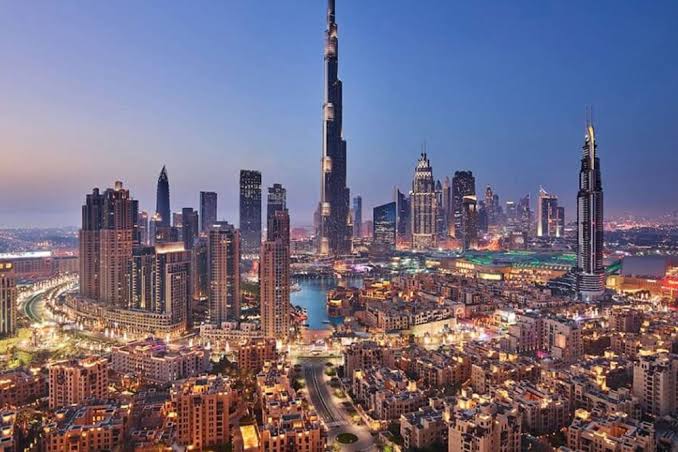
The emirate is famous for its modern skyline, shopping, entertainment, beaches, luxury hotels, business districts, and desert experiences.
Popular attractions include:
- Burj Khalifa
- Dubai Mall
- Palm Jumeirah
- Dubai Marina
- Dubai Creek
- Museum of the Future
- Dubai Desert Safari
- Global Village
Sharjah
Sharjah is known for its museums, cultural institutions, heritage areas, family attractions, and traditional architecture.
The emirate has been recognized for its emphasis on culture and heritage and offers travelers a different experience from the modern commercial atmosphere associated with Dubai.
Ajman
Ajman is the smallest of the seven emirates by area.
It offers beaches, a growing urban environment, traditional heritage sites, and a more compact destination experience.
Umm Al Quwain
Umm Al Quwain is one of the smaller and less densely populated emirates.
It is known for its coastal environment, traditional activities, mangroves, and quieter atmosphere compared with Dubai and Abu Dhabi.
Ras Al Khaimah
Ras Al Khaimah, often abbreviated as RAK, is known for its mountains, beaches, desert landscapes, heritage attractions, and outdoor adventures.
Jebel Jais is one of its major natural attractions and is the highest mountain in the UAE.
Fujairah
Fujairah is located on the UAE's eastern coast and is the only emirate situated completely along the Gulf of Oman.
Its landscape combines mountains, beaches, valleys, and coastal communities, making it particularly popular for outdoor and water-based experiences.
History of the United Arab Emirates
The history of the UAE extends thousands of years before the modern federation was created.
Archaeological evidence indicates that people lived in the region as far back as approximately 6000 BC. Ancient communities depended on fishing, hunting, agriculture, animal grazing, and trade.
Ancient UAE
Archaeological discoveries across Abu Dhabi, Sharjah, Umm Al Quwain, and Ras Al Khaimah provide evidence of early settlements and pottery traditions.
The Bronze Age included important archaeological periods such as:
- Jebel Hafeet period
- Umm Al Nar period
- Wadi Suq period
The region later developed sophisticated agricultural systems, including falaj irrigation, which helped communities cultivate land in a dry environment.
Arrival of Islam
Islam reached the region during the 7th century.
According to the UAE Government's historical account, envoys associated with the Prophet Muhammad arrived in the region around AD 630, beginning a new period in the area's history.
Maritime Trade and European Influence
The UAE's location along major maritime routes made the region important for trade.
Portuguese influence expanded into the Arabian Gulf from the late 15th century, followed by changing European commercial and political interests.
During the 18th and 19th centuries, British involvement in the Gulf increased. Agreements were eventually established with the sheikhs of the Trucial States.
Formation of the United Arab Emirates
The modern UAE was established as a federation in 1971.
The formation of the country was driven by efforts to unite the emirates into a federation and establish a sovereign state.
On 2 December 1971, six emirates formed the United Arab Emirates:
- Abu Dhabi
- Dubai
- Sharjah
- Ajman
- Umm Al Quwain
- Fujairah
Ras Al Khaimah joined the federation in February 1972.
Sheikh Zayed bin Sultan Al Nahyan became the UAE's first President and is widely regarded as the founding father of the federation.
Government and Political System
The UAE is a constitutional federation consisting of seven emirates.
The federal system includes five main federal authorities:
- The Federal Supreme Council
- The President and Vice-President
- The Cabinet
- The Federal National Council
- The Federal Judiciary
Local governments also operate within each emirate.
President of the UAE
The current President of the United Arab Emirates is Sheikh Mohamed bin Zayed Al Nahyan, who also serves as Ruler of Abu Dhabi. He assumed the presidency in May 2022.
UAE Economy and Finance
The UAE has developed from an economy heavily associated with oil and gas into a diversified economy with major activity across numerous sectors.
The country's strategic location, financial reserves, sovereign wealth funds, investment environment, free zones, infrastructure, and economic diversification policies all contribute to its economic position.
Major Economic Sectors
Important sectors include:
- Oil and gas
- Tourism and hospitality
- Real estate
- Financial services
- International trade
- Logistics
- Aviation
- Construction
- Manufacturing
- Technology
- Renewable energy
- Healthcare
- Professional services
Oil and Gas
Oil and gas played a major role in the UAE's economic development, particularly in Abu Dhabi.
Energy revenues helped finance infrastructure, education, healthcare, transportation, and large-scale national development.
At the same time, the UAE has pursued economic diversification to develop industries beyond hydrocarbons.
Non-Oil Economy
Non-oil sectors have become increasingly important to the UAE economy.
According to UAE Government data, the country's 2023 GDP at current prices was approximately AED 1.88 trillion, while non-oil GDP at current prices reached approximately AED 1.43 trillion.
This diversification includes tourism, trade, financial services, logistics, technology, manufacturing, real estate, and other industries.
UAE Currency and Finance
The official currency is the UAE dirham, abbreviated as AED.
One dirham is divided into 100 fils.
The UAE Government states that the dirham has been pegged to the US dollar since 2002 at:
US$1 = AED 3.6725
UAE as a Financial Center
Dubai and Abu Dhabi have developed into major financial and business centers.
The country's financial ecosystem includes commercial banks, investment companies, insurance providers, capital markets, free zones, and specialized financial centers.
Abu Dhabi is also developing its position as an international financial and innovation hub.
UAE Trade and Business
The UAE's location between major markets in Asia, Europe, Africa, and the Middle East has helped it develop into an important trading and logistics hub.
The country has major ports, airports, free zones, logistics networks, and business centers that support international trade.
UAE Government figures show that non-oil foreign trade reached approximately AED 2.233 trillion in 2022, including imports, non-oil exports, and re-exports.
Population and Diversity
The UAE has a highly international population.
Alongside Emirati citizens, the country is home to large expatriate communities from Asia, Europe, Africa, and other parts of the world.
This international population contributes to the UAE's multicultural environment and means that many languages are commonly heard throughout the country.
Arabic is the official language, while English is widely used in business, tourism, education, transportation, and everyday communication.
Language in the UAE
Arabic is the official language of the United Arab Emirates.
English is widely spoken and understood, especially in major tourist destinations and business environments.
Other languages commonly spoken by residents include:
- Hindi
- Urdu
- Malayalam
- Bengali
- Farsi
- Turkish
- French
- Russian
- Chinese
Road signs and many commercial signs are commonly displayed in both Arabic and English.
Religion and Culture
Islam is the official religion of the UAE.
Emirati culture reflects traditional Arab and Islamic values while also incorporating influences from the country's diverse international population.
Visitors can experience Emirati heritage through:
- Traditional architecture
- Arabic hospitality
- Emirati cuisine
- Souks
- Museums
- Heritage villages
- Traditional crafts
- Cultural festivals
- Desert experiences
- Falconry
- Traditional music and dance
The UAE also promotes a policy of tolerance and coexistence among different communities.
UAE Climate
The UAE has a predominantly desert climate.
Summers are generally very hot and can be humid, particularly along the coast. Winters are milder and are generally more comfortable for outdoor activities.
Mountainous areas in the eastern part of the country can experience cooler conditions than the coastal and desert regions.
Best Time to Visit the UAE
For many travelers, the cooler period from approximately November through March is among the most comfortable times for sightseeing and outdoor activities.
This period is particularly suitable for:
- Desert safaris
- Beach activities
- City tours
- Outdoor attractions
- Hiking
- Heritage exploration
- Outdoor dining
Summer can still be a good time to visit for travelers who prefer indoor attractions, shopping, hotels, museums, and air-conditioned entertainment.
Tourism in the United Arab Emirates
Tourism is one of the UAE's most important non-oil industries.
The country offers a combination of modern attractions and traditional experiences, allowing travelers to move between skyscrapers, beaches, deserts, mountains, cultural districts, and historic sites within the same trip.
Popular UAE Travel Experiences
Visitors can enjoy:
- Dubai city tours
- Abu Dhabi sightseeing
- Desert safaris
- Dune bashing
- Camel rides
- Sandboarding
- Beach holidays
- Water sports
- Cultural tours
- Heritage experiences
- Luxury resorts
- Shopping
- Theme parks
- Wildlife and nature experiences
- Mountain adventures
Why Is the UAE Popular With Tourists?
The UAE has become a major international tourism destination because of its combination of infrastructure, accessibility, attractions, hospitality, entertainment, and diverse landscapes.
Travelers can experience a modern city environment in Dubai, cultural and architectural attractions in Abu Dhabi and Sharjah, mountain adventures in Ras Al Khaimah and Fujairah, and quieter coastal experiences in the northern emirates.
Famous Places to Visit in the UAE
Some of the country's best-known attractions include:
Dubai
- Burj Khalifa
- Dubai Mall
- Palm Jumeirah
- Dubai Marina
- Dubai Creek
- Museum of the Future
- Dubai Miracle Garden
- Global Village
- Dubai Desert Safari
Abu Dhabi
- Sheikh Zayed Grand Mosque
- Louvre Abu Dhabi
- Qasr Al Watan
- Yas Island
- Ferrari World Abu Dhabi
- Saadiyat Island
Sharjah
- Heart of Sharjah
- Sharjah Museum of Islamic Civilization
- Al Noor Island
- Al Majaz Waterfront
Ras Al Khaimah
- Jebel Jais
- Ras Al Khaimah beaches
- Wadi and mountain landscapes
- Heritage attractions
Fujairah
- Fujairah beaches
- Al Bidyah Mosque
- Hajar Mountain landscapes
- Diving and snorkeling locations
UAE Transportation
The UAE has an extensive modern transportation network.
Travelers can use:
- Metro systems
- Taxis
- Buses
- Rental cars
- Private transfers
- Domestic and international flights
Dubai Metro is particularly useful for traveling between major areas of Dubai, while taxis and private vehicles provide access to destinations outside metro routes.
The country's international airports also connect the UAE with destinations throughout the Middle East, Asia, Europe, Africa, and beyond.
UAE Time Zone
The United Arab Emirates operates on Gulf Standard Time (GST), UTC+4.
The country does not currently observe seasonal daylight-saving time.
UAE Flag
The UAE flag consists of four colors:
- Red
- Green
- White
- Black
The colors are arranged with a vertical red section along the flagpole and three horizontal bands of green, white, and black.
The colors are associated with different historical and symbolic interpretations connected with Arab identity, values, strength, peace, and prosperity.
UAE National Day
The UAE celebrates its national day on 2 December each year.
The date marks the establishment of the federation in 1971 and is an important national celebration throughout the seven emirates.
Festivities commonly include:
- Fireworks
- Cultural performances
- Decorations
- Family events
- Concerts
- Public celebrations
Is the UAE Worth Visiting?
The UAE is an excellent destination for travelers looking for a combination of modern attractions, culture, adventure, beaches, desert landscapes, shopping, food, and luxury experiences.
One of its biggest advantages is the variety available across the seven emirates. A trip can combine Dubai's modern skyline, Abu Dhabi's cultural attractions, Sharjah's heritage, Ras Al Khaimah's mountains, Fujairah's coastline, and the quieter environments of Ajman and Umm Al Quwain.
Frequently Asked Questions About the United Arab Emirates
What is the United Arab Emirates?
The United Arab Emirates is a federation of seven emirates located on the southeastern Arabian Peninsula. The seven emirates are Abu Dhabi, Dubai, Sharjah, Ajman, Umm Al Quwain, Ras Al Khaimah, and Fujairah.
What is the capital of the UAE?
Abu Dhabi is the federal capital of the United Arab Emirates. It is also the largest emirate by area.
How many emirates are there in the UAE?
There are seven emirates: Abu Dhabi, Dubai, Sharjah, Ajman, Umm Al Quwain, Ras Al Khaimah, and Fujairah.
When was the UAE founded?
The United Arab Emirates was established on 2 December 1971 when six emirates formed the federation. Ras Al Khaimah joined in February 1972.
What is the currency of the UAE?
The official currency is the UAE dirham (AED). The dirham is pegged to the US dollar at AED 3.6725 per US dollar.
What language is spoken in the UAE?
Arabic is the official language. English is widely spoken, particularly in tourism, business, education, and major cities.
What is the UAE famous for?
The UAE is famous for its modern cities, skyscrapers, luxury tourism, shopping, desert landscapes, beaches, cultural attractions, business centers, and diverse international communities.
What is the UAE economy based on?
The UAE economy includes oil and gas as well as major non-oil sectors such as tourism, trade, finance, logistics, real estate, manufacturing, technology, and professional services.
What is the climate like in the UAE?
The UAE has a desert climate. Summers are generally very hot and humid, while winters are considerably more comfortable for outdoor activities. Mountain areas can be cooler.
What is the highest mountain in the UAE?
Jebel Jais in Ras Al Khaimah is the highest point in the UAE, reaching approximately 1,934 metres above sea level.
What are the best places to visit in the UAE?
Popular destinations include Dubai, Abu Dhabi, Sharjah, Ras Al Khaimah, and Fujairah. Each emirate offers different attractions, landscapes, cultural experiences, and activities.
Explore the United Arab Emirates With All UAE Tours
The UAE is much more than Dubai. Across its seven emirates, travelers can discover deserts, beaches, mountains, heritage sites, cultural attractions, modern architecture, family entertainment, and unforgettable adventures.
Whether you want to experience a Dubai desert safari, Abu Dhabi sightseeing tour, mountain adventure in Ras Al Khaimah, cultural attractions in Sharjah, or coastal experiences in Fujairah, explore the UAE with All UAE Tours and discover experiences across the Emirates.