Travel Stories

What is Sand Surfing? Everything you need to know

By Qunoosh Published: March 01, 2024 Updated on: September 25, 2026 5 min read
Back to Blog Articles Evening Desert Safari — prices updated today 130 AED

Sand surfing is an adventure activity where a person rides down a sand dune on a specially designed board. It is commonly known as sandboarding and is similar to snowboarding, except that instead of snow-covered slopes, you ride across desert sand.

Sand surfing is becoming increasingly popular in desert destinations around the world, including the United Arab Emirates, where the large dunes of Dubai and Abu Dhabi provide excellent conditions for the activity.

Whether you are visiting the UAE for the first time or planning a desert safari, sand surfing is one of the easiest adventure activities to try. You do not need previous boarding experience, and beginners can usually learn the basic technique quickly.

What Is Sand Surfing?

Sand surfing is the practice of sliding or riding down sand dunes on a board.

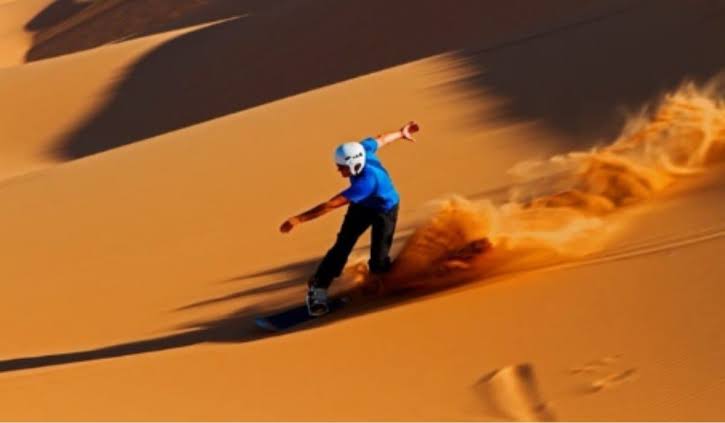
The rider stands on a sandboard with both feet secured to bindings or positioned on the board, then descends a dune using balance and body movements to control speed and direction.

Although the activity is sometimes called “sand surfing,” sandboarding is the more commonly used term in the tourism and adventure industry.

The basic concept is simple:

Climb the dune → place the board → balance → descend the slope → slow down at the bottom.

Unlike surfing, sand surfing does not involve water or waves. The “surfing” part refers to the sensation of gliding across a natural surface.

Is Sand Surfing the Same as Sandboarding?

For most tourism purposes, sand surfing and sandboarding mean essentially the same thing.

The term “sand surfing” is sometimes used to describe riding a board down sand dunes, but sandboarding is the standard name for the sport.

You may therefore see tour operators use phrases such as:

  • Sand surfing
  • Sandboarding
  • Desert sandboarding
  • Sand dune boarding
  • Sandboarding in Dubai
  • UAE sandboarding

If you search for a sand surfing experience in the UAE, you will generally find it listed as sandboarding.

How Does Sand Surfing Work?

Sandboarding works by using gravity to move the board down a dune.

A typical experience involves several steps.

1. Choose a Suitable Dune

The dune should have a suitable slope and enough open space at the bottom.

Beginners generally start with a smaller, less steep dune.

2. Prepare the Sandboard

The bottom of the board is normally treated with a suitable wax or lubricant to help it glide across the sand.

3. Position Yourself

Beginners can start by sitting or kneeling on the board before progressing to standing.

When standing, keep your knees slightly bent and maintain a comfortable stance.

4. Start the Descent

Once the board begins moving, your body position helps control your speed and direction.

5. Control Your Speed

Leaning and adjusting your stance can help control movement.

Keeping your weight balanced is particularly important when descending steeper dunes.

6. Stop Safely

Beginners should learn how to slow down and stop before attempting larger dunes.

What Equipment Do You Need for Sand Surfing?

One advantage of sandboarding is that it requires relatively little equipment.

See our full sandboarding equipment guide for a detailed checklist.

Sandboard

The most important piece of equipment is the sandboard.

Sandboards are designed specifically for use on sand and are different from ordinary surfboards.

Bindings

Some sandboards have bindings that secure your feet to the board.

Other beginner boards may be designed for riding without fixed bindings.

Wax

Sandboard wax helps reduce friction between the board and sand, allowing it to glide more smoothly.

Closed Shoes

Comfortable closed shoes can help protect your feet from hot sand and rough surfaces.

Sunglasses

Sunglasses help protect your eyes from bright sunlight and blowing sand.

Sunscreen

Strong desert sunlight means sunscreen is an important part of your preparation.

Helmet

A helmet may be recommended or required for certain sandboarding experiences, particularly for more advanced or steeper terrain.

Is Sand Surfing Difficult?

Sandboarding is generally beginner-friendly, but it can take some practice to develop good balance and control.

The easiest way to start is by sitting or kneeling on a board and gradually learning how the board moves.

Once you become comfortable, you can try standing.

Beginners should avoid immediately attempting the tallest or steepest dune. Starting with a smaller slope makes it easier to learn how to control speed and stop.

Can Beginners Try Sand Surfing?

Yes.

You do not need to be an experienced snowboarder or surfer to try sandboarding.

A beginner can learn the basic technique during a desert safari, although your first few attempts may involve falling or losing balance.

This is completely normal.

The most important things are:

  • Start on a manageable dune
  • Follow your guide's instructions
  • Keep your knees slightly bent
  • Maintain your balance
  • Do not attempt advanced tricks immediately
  • Leave enough space between riders

Can Children Go Sand Surfing?

Children can often participate in sandboarding, but suitability depends on their age, size, confidence, physical ability and the rules of the tour operator.

See our desert safari with family guide for more age-friendly tips.

Younger children may be better suited to sitting or sliding down smaller dunes rather than standing on a sandboard.

Parents should always check the operator's age and safety requirements before booking.

Is Sand Surfing Safe?

Sandboarding can be a relatively low-risk recreational activity when performed properly, but falls and minor injuries are possible.

Common risks include:

  • Falling from the board
  • Rolling on the sand
  • Losing control on a steep dune
  • Colliding with another person
  • Dehydration
  • Sun exposure
  • Hot sand
  • Injuries caused by attempting advanced tricks

Sand Surfing Safety Tips

Always:

  • Listen to your instructor or guide
  • Start with smaller dunes
  • Check the landing area before riding
  • Keep a safe distance from other riders
  • Wear appropriate clothing
  • Stay hydrated
  • Protect yourself from the sun
  • Avoid riding beyond your ability
  • Never attempt a dune if the landing area is obstructed

If you are participating as part of a desert safari, follow the safety instructions provided by the safari operator.

What Does Sand Surfing Feel Like?

Sandboarding feels somewhat like a combination of snowboarding and sliding down a giant sand hill.

The board glides across the surface while gravity pulls you downhill.

However, sand creates considerably more friction than snow, so sandboarding is generally slower than snowboarding.

The experience can vary depending on:

  • Sand texture
  • Dune steepness
  • Board type
  • Weather conditions
  • Wax used on the board
  • Rider's technique

One of the most enjoyable parts for beginners is the challenge of balancing while descending the dune.

Sand Surfing vs Snowboarding

Although the two sports look similar, there are important differences.

FeatureSand SurfingSnowboarding
SurfaceSandSnow
LocationDesertsSnow-covered mountains
SpeedGenerally slowerGenerally faster
TemperatureUsually hotUsually cold
EquipmentSandboardSnowboard
Lift systemUsually climb the duneOften uses ski lifts
Learning environmentDunesSlopes
Popular UAE activityYesNo

If you already know how to snowboard, some of your balance and board-control skills may help when learning sandboarding.

Sand Surfing vs Sand Sledding

These activities are related but not identical.

Sandboarding normally involves standing on a board and riding down the dune.

Sand sledding usually involves sitting or lying on a sled or board while sliding downhill.

Sandboarding is therefore closer to snowboarding, while sand sledding is more focused on sliding.

Where Can You Go Sand Surfing?

Sandboarding is possible in many desert regions around the world.

Popular destinations include:

  • United Arab Emirates
  • Egypt
  • Jordan
  • Morocco
  • Namibia
  • South Africa
  • Peru
  • Australia
  • United States

The UAE is particularly popular because its desert landscapes are easily accessible from major tourist cities.

Sand Surfing in the UAE

The UAE is an excellent destination for sandboarding because of its extensive dune landscapes.

You can find sandboarding experiences around several major desert areas.

Sand Surfing in Dubai

Dubai is one of the most popular places to try sandboarding in the UAE.

Many Dubai desert safari experiences include sandboarding as part of the package.

Popular desert areas include:

  • Lahbab Desert
  • Al Marmoom
  • Al Awir
  • Other desert areas outside the main urban zone

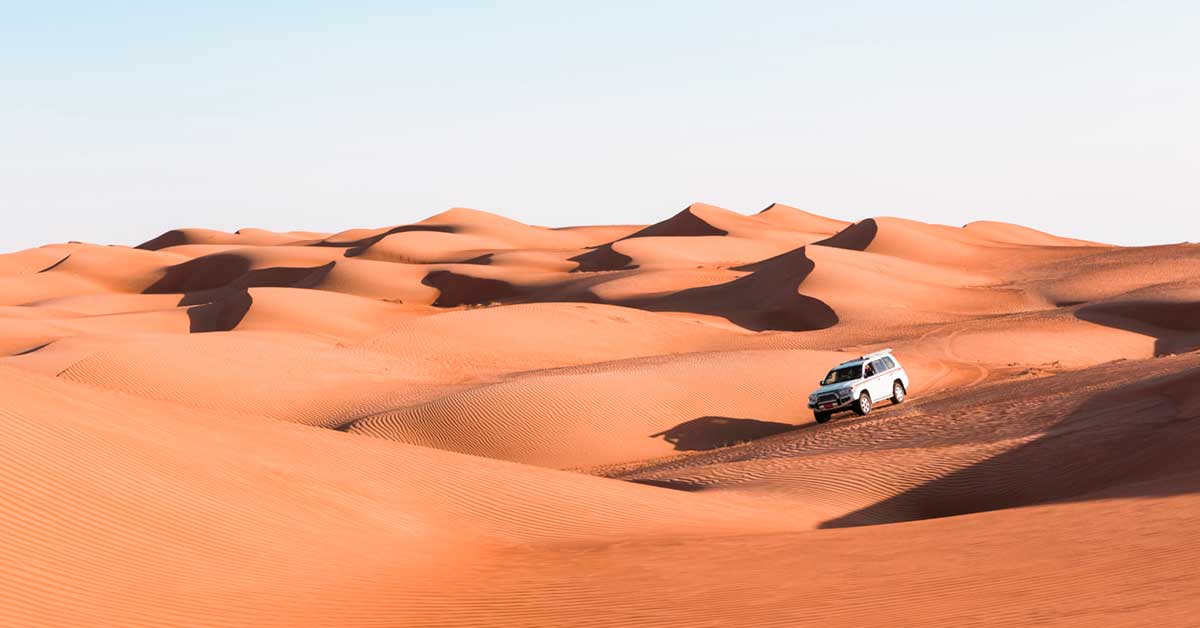
Lahbab Desert is particularly popular for adventure experiences because of its large dunes and distinctive red-orange sand.

A typical Dubai desert safari may combine sandboarding with:

  • Dune bashing
  • Camel riding
  • Quad biking
  • Desert photography
  • Sunset viewing
  • Traditional camp experiences
  • BBQ dinner
  • Live entertainment

This makes sandboarding easy to add to a larger desert adventure rather than booking it as a completely separate activity.
Instant
Save 10%
Morning Desert Safari
Dubai
4.8 (34)

Morning Desert Safari

4 Hours Pickup Mobile
Instant
Evening Desert Safari
Dubai
4.9 (128)

Evening Desert Safari

6 Hours Pickup Mobile
Instant
Save 7%
Overnight Desert Safari
Dubai
4.9 (41)

Overnight Desert Safari

18 Hours (Overnight) Pickup Mobile

Sand Surfing in Abu Dhabi

Abu Dhabi also offers extensive opportunities for desert activities.

The emirate is home to huge desert landscapes, including the areas around Liwa and the Empty Quarter.

Sandboarding in these areas can be particularly impressive because of the scale of the dunes.

Abu Dhabi desert experiences may combine sandboarding with:

  • Dune bashing
  • Camel riding
  • Quad biking
  • Desert camping
  • Stargazing
  • Wildlife experiences
  • Cultural activities
Instant
Save 11%
Abu Dhabi Desert Safari (Liwa/Empty Quarter)
Abu Dhabi
4.9 (8)

Abu Dhabi Desert Safari (Liwa/Empty Quarter)

9 Hours Pickup Mobile

Best Places for Sand Surfing in UAE

The best location depends on what type of experience you want.

Read our full guide to deserts in the UAE for more on each location.

Lahbab Desert — Best for Adventure

Lahbab is a strong choice for travellers looking for large dunes, red sand and an exciting desert safari.

Al Marmoom — Best for Nature

Al Marmoom offers a more conservation-focused desert environment and can be suitable for visitors who want to combine desert activities with nature.

Liwa Desert — Best for Huge Dunes

Liwa is ideal for travellers who want to experience some of the UAE's most dramatic desert landscapes.

Empty Quarter — Best for Remote Desert Landscapes

The Rub' al Khali, or Empty Quarter, offers an enormous desert environment and a more remote adventure experience.

What Is the Best Time for Sand Surfing in UAE?

The cooler months are generally more comfortable for outdoor desert activities.

November through March is particularly popular because temperatures are usually more suitable for spending extended periods outdoors.

During hotter months, consider experiences scheduled for:

  • Early morning
  • Late afternoon
  • Sunset
  • Evening

Always follow the tour operator's guidance regarding weather and activity conditions.

What Should You Wear for Sand Surfing?

Wear comfortable clothing that allows you to move freely.

For more detail, read our desert safari outfit guide.

Recommended items include:

  • Lightweight trousers or sportswear
  • T-shirt or breathable top
  • Closed shoes
  • Sunglasses
  • Hat or cap
  • Sunscreen
  • Water
  • Light jacket during cooler months

Avoid wearing loose accessories that can fall off while riding.

How Long Does Sand Surfing Take?

The actual riding time can be relatively short, especially during a standard desert safari.

A typical experience may involve:

  1. Travelling to the desert
  2. Receiving instructions
  3. Climbing the dune
  4. Riding down
  5. Walking back up
  6. Repeating the experience

The number of rides depends on the tour package, dune location, group size and available time.

A desert safari that includes sandboarding usually gives you the opportunity to make multiple attempts.

Is Sand Surfing Included in a Desert Safari?

It depends on the package.

Some desert safari packages include sandboarding at no additional charge, while others may offer it as an optional activity.

Before booking, check whether your package includes:

  • Sandboarding
  • Dune bashing
  • Camel riding
  • Quad biking
  • Hotel pickup
  • Desert camp
  • Food
  • Entertainment

This prevents surprises when you arrive at the desert.

Is Sand Surfing Better Than Dune Bashing?

They provide completely different experiences.

Dune bashing is a high-energy 4x4 experience where a professional driver takes you across the dunes.

Sandboarding puts you in control of your own descent.

Choose dune bashing if you want:

  • Speed
  • 4x4 adventure
  • A guided experience
  • Large dune driving

Choose sandboarding if you want:

  • A hands-on activity
  • A personal challenge
  • A board sport
  • A fun beginner-friendly adventure

For the best experience, many travellers choose a safari that includes both.
Instant
Quad Bike ATV Desert Safari
Dubai
4.8 (31)

Quad Bike ATV Desert Safari

4 Hours Pickup Mobile
Instant
Save 17%
Dune Buggy Desert Safari
Dubai
4.9 (17)

Dune Buggy Desert Safari

3 Hours Pickup Mobile

How to Improve Your Sand Surfing Skills

Once you are comfortable with basic sandboarding, you can gradually improve your technique.

Improve Your Balance

Keep your knees slightly bent and maintain a stable stance.

Control Your Weight

Small changes in body position can affect the direction and speed of your board.

Start Slowly

Do not immediately choose the largest dune.

Practice Stopping

Learning to control your descent is more important than simply going fast.

Progress Gradually

Once you are comfortable on smaller dunes, you can move toward steeper slopes under suitable conditions.

Common Sand Surfing Mistakes

Beginners often make a few predictable mistakes.

Choosing a Dune That Is Too Steep

A larger dune is not necessarily better for your first attempt.

Standing Too Rigidly

Keeping your knees locked makes it harder to maintain balance.

Ignoring the Landing Area

Always check what is at the bottom of the dune before starting.

Riding Too Close to Others

Maintain adequate distance between riders.

Forgetting Sun Protection

The desert sun can be intense, even when the activity itself is short.

Attempting Tricks Too Early

Learn basic control before attempting jumps, turns or advanced techniques.

Is Sand Surfing Worth Trying?

Yes, especially if you are visiting a desert destination such as the UAE.

Sandboarding is relatively easy to try, requires limited equipment and gives you an active way to experience the dunes.

It is also an excellent activity for travellers who want something more interactive than simply taking photographs of the desert.

For first-time visitors, combining sandboarding with dune bashing, camel riding and a sunset desert experience can create a complete UAE desert adventure.

Frequently Asked Questions About Sand Surfing

What is sand surfing called?

Sand surfing is most commonly called sandboarding. Both terms describe riding a board down sand dunes.

Is sand surfing the same as surfing?

No. Traditional surfing takes place on water, while sand surfing takes place on sand dunes.

Is sandboarding difficult for beginners?

No. Most beginners can learn the basic technique with some instruction and practice. Starting on a smaller dune makes learning easier.

Do you need experience to go sandboarding?

No. You generally do not need previous experience to try recreational sandboarding.

Can you sandboard in Dubai?

Yes. Sandboarding is a popular activity offered as part of many Dubai desert safari experiences.

Where is the best place to sandboard in Dubai?

Lahbab is one of the most popular areas for an adventurous sandboarding experience because of its large dunes and distinctive red-orange desert landscape.

Can children try sandboarding?

Children may be able to participate depending on their age, ability and the tour operator's rules. Younger children may be more comfortable with seated sliding rather than standing.

What board is used for sand surfing?

A sandboard is specifically designed for riding over sand dunes. Its base is designed to reduce friction and improve gliding.

Is sandboarding faster than snowboarding?

Usually not. Sand creates more friction than snow, so sandboarding tends to be slower.

Can you sandboard without wax?

You can physically slide on sand without wax, but wax or another suitable treatment can make the board glide more effectively.

What should I wear for sandboarding?

Wear comfortable clothing, closed shoes, sunglasses and sun protection. Lightweight clothing is generally suitable for warm weather.

Is sandboarding included in Dubai desert safaris?

It depends on the specific package. Always check the inclusions before booking.

What is the best time for sandboarding in Dubai?

The cooler months are generally more comfortable. Early morning and late afternoon can also be preferable to the hottest part of the day.

Can you sandboard in the Empty Quarter?

Yes. The vast dunes of the Empty Quarter and Liwa region provide dramatic terrain for desert activities, although these experiences are generally more remote than a typical Dubai desert safari.

Final Thoughts

Sand surfing, more commonly known as sandboarding, is one of the most accessible ways to experience a desert.

You do not need to be a professional snowboarder or athlete. With a suitable board, a manageable dune and basic instruction, beginners can enjoy sliding down the sand within a short time.

In the UAE, sandboarding becomes even more exciting because it can be combined with other desert activities. From the red dunes of Lahbab to the enormous landscapes of Liwa, there are experiences for adventure seekers, families, couples and first-time visitors.

If you are planning a UAE trip, consider adding sandboarding to your desert safari itinerary for a memorable experience beyond sightseeing.


Thank you for reading All UAE Tours Blog!

Related Articles

Mar 06, 2024

Sandboarding Equipment: What You Need to Get Started

Sandboarding, an exhilarating sport that combines the thrill of surfing, snowboarding, and skateboarding, all on sand dunes, has gained popularity worldwide. Whether you're an adrenaline junkie looking to try something new or a seasoned boarder keen on dune adventures, having the right equipment is crucial. This guide will walk you through everything you need to get started on your sandboarding journey. Essential Sandboarding Equipment The heart of sandboarding lies in its unique equipment, designed to make your descent on sand both exhilarating and safe. The Sandboard Types of Sandboards: There are primarily two types of sandboards: sand sleds for sitting and traditional stand-up boards. Your choice depends on preference and skill level. Choosing the Right Sandboard: Consider the board's length, width, and flexibility. Beginners might prefer a wider, more stable board, while experienced riders may opt for agility and speed. Wax for Sandboarding Special wax helps your board glide smoothly over the sand. Regular application is key to maintaining performance. Safety Gear Helmets are non-negotiable for protecting your head during falls. Goggles shield your eyes from sand particles, while gloves and pads prevent abrasions and soften impacts. Choosing Your Sandboarding Apparel Clothing should be light yet protective. Long sleeves and pants can prevent sunburn and minor scrapes. Footwear is usually snug, comfortable boots that keep the sand out and offer ankle support. Additional Accessories for Sandboarding Beyond the basics, sun protection (sunscreen, hats) is essential in the desert. Hydration packs keep you watered, and action cameras capture every thrilling moment. Maintenance of Sandboarding Equipment Regular checks ensure your equipment is in top shape. Cleaning after each use and proper storage will extend the life of your gear. Conclusion Sandboarding is an adventure that requires preparation and the right equipment. By following this guide, you'll be ready to tackle the dunes safely and with confidence. FAQs What is the best type of sandboard for beginners? Beginners should look for wider, more stable boards for easier balance. How often should I wax my sandboard? Waxing before each session ensures optimal performance. Can I sandboard in any type of desert? While most sandy deserts are suitable, some locations may have restrictions. What are the risks of sandboarding? Like any extreme sport, there's a risk of falls and injuries. Proper gear minimizes these risks. How can I improve my sandboarding skills? Practice, ideally under the guidance of experienced sandboarders or through lessons, is key. You can enjoy sand boarding in the desert safari tour in Dubai, Sharjah & Abu Dhabi. Desert Safari Dubai Tours – All UAE Tours Address: 23 Marina Tower – Dubai Hours: Open 24 hours · More hours Phone: 056 663 2965

Read Article
Dubai Metro Guide: Metro Timings, Tickets, and Lines
Mar 07, 2024

Dubai Metro Guide: Metro Timings, Tickets, and Lines

The Dubai Metro is one of the easiest and most affordable ways to travel around Dubai. It connects important areas of the city, including Downtown Dubai, Dubai Marina, Deira, Bur Dubai, Dubai International Airport, Business Bay and Expo City.For tourists, the Metro can be particularly useful because it provides a convenient alternative to taxis and helps avoid road traffic during busy periods.This complete Dubai Metro guide explains metro timings, lines, stations, tickets, fares, Nol Cards, airport connections, rules and practical tips for first-time visitors.Dubai Metro at a GlanceFeatureDetailsMetro LinesRed Line and Green LineMain interchange stationsUnion and BurJumanPaymentNol Card / eligible Nol ticketsOperating hoursVary by dayStandard fareBased on zones travelledChildren's free travelChildren under 5 years or shorter than 90 cmAirport accessRed Line serves Terminals 1 and 3Gold ClassAvailable with Gold Nol productsNetworkMetro, Tram and connecting RTA transportThe Dubai Metro currently operates on two main lines: the Red Line and Green Line. RTA's official network map lists the stations and interchange points for both lines.Dubai Metro TimingsDubai Metro operating hours can vary during public holidays, Ramadan and special events, so it is always worth checking the latest RTA timetable before travelling.Under the regular timetable currently published by RTA, Metro stations operate during the following hours:DayMetro Station Opening HoursMonday5:00 AM – 12:00 AMTuesday5:00 AM – 12:00 AMWednesday5:00 AM – 12:00 AMThursday5:00 AM – 12:00 AMFriday5:00 AM – 1:00 AM next daySaturday5:00 AM – 12:00 AMSunday8:00 AM – 12:00 AMThese are station opening hours, not necessarily the exact departure time of the last train from every station. RTA can also change schedules for holidays and special occasions.Does Dubai Metro Run Every Day?Yes. Dubai Metro operates throughout the week, including weekends.However, Sunday starts later than the other regular days, while Friday has extended operating hours under the current timetable.Does Dubai Metro Operate During Public Holidays?Yes, but operating hours may be adjusted.RTA publishes special schedules for occasions such as Eid, New Year and other public holidays. For example, RTA issued specific Metro operating schedules for UAE public holidays in 2026.If you are visiting Dubai during a holiday, check the latest RTA timetable rather than relying on the normal schedule.Dubai Metro LinesDubai Metro currently has two main lines:Red LineGreen LineThe two lines intersect at Union and BurJuman, allowing passengers to transfer between them.Dubai Metro Red LineThe Red Line is particularly useful for tourists because it travels through many of Dubai's major commercial, residential and tourist areas.The official RTA route runs between Centrepoint and Expo 2020 / Life Pharmacy.Important Red Line stations include:CentrepointEmiratesAirport Terminal 3Airport Terminal 1City Centre DeiraAl RiggaUnionBurJumanADCBmaxWorld Trade CentreEmirates TowersFinancial CentreBurj Khalifa / Dubai MallBusiness BayONPASSIVEEquitiMall of the EmiratesDubai Internet CitySobha RealtyDMCCIbn BattutaDiscovery GardensDubai Investment ParkExpo 2020The Red Line therefore provides convenient access to several major tourist and business districts.Red Line for TouristsThe Red Line is particularly useful if you want to visit:Dubai International AirportDowntown DubaiBurj KhalifaDubai MallMall of the EmiratesDubai Marina areaIbn BattutaExpo City DubaiDubai Metro Green LineThe Green Line serves several historic and residential areas of Dubai.It runs between e& and Creek stations.Important Green Line stations include:e&Al QusaisDubai Airport Free ZoneAl NahdaStadiumAl QiyadahAbu HailAbu Baker Al SiddiqueSalah Al DinUnionBaniyas SquareGold SouqAl RasAl GubaibaSharaf DGBurJumanOud MethaDubai Healthcare CityAl JadafCreekThe Green Line is particularly useful for travellers exploring Old Dubai, Deira, Bur Dubai and Dubai Creek.Where Do the Red and Green Lines Interchange?You can transfer between the Red and Green Lines at:Union StationUnion is one of Dubai Metro's major interchange stations.BurJuman StationBurJuman is another important interchange where passengers can switch between the Red and Green Lines.If your destination requires changing lines, follow the signs inside the station rather than exiting the Metro.Dubai Metro TicketsDubai Metro uses the Nol Card system for travel.Nol is a smart payment system used across several RTA transport services, including:Dubai MetroDubai TramPublic busesMarine transportPaid parkingRTA states that cash is not accepted as direct payment for public transport, so passengers should use an appropriate Nol product.What Is a Nol Card?A Nol Card is a rechargeable smart card that you tap when entering and leaving the Metro.The system calculates your fare based on the zones travelled.RTA offers different Nol products, including:Silver CardGold CardPersonal CardRed TicketNol Travel productsFor most tourists, the Silver Card or Red Ticket is usually the most relevant option depending on how frequently they plan to use public transportation.Dubai Metro Ticket PricesDubai Metro fares depend on the number of zones crossed.Current standard Nol fares are:JourneySilver / Regular FareGold Class FareWithin 1 zoneAED 3AED 62 adjacent zonesAED 5AED 10More than 2 zonesAED 7.50AED 15The Red Ticket fares are:JourneyRegular Red TicketGold Red TicketWithin 1 zoneAED 4AED 82 adjacent zonesAED 6AED 12More than 2 zonesAED 8.50AED 17These are the current RTA-published fares and can be subject to changes or special arrangements.What Is the Red Ticket?The Nol Red Ticket is a paper-based rechargeable ticket designed for occasional users.RTA states that the Red Ticket costs AED 2 to purchase and can be recharged for up to 10 journeys or five daily passes, subject to the applicable rules.It can be useful for visitors who only need public transportation for a short period.What Is the Silver Nol Card?The Silver Card is the standard Nol Card and is suitable for regular travel on Dubai's public transport network.It can be used across RTA's supported transportation services and can be topped up as needed.For tourists staying in Dubai for several days and using public transportation frequently, a Silver Card can be a convenient option.What Is the Gold Nol Card?The Gold Card provides access to the Gold Class cabins on the Metro and Tram.Gold Class travel costs double the regular fare on the Metro and Tram.If you are travelling on a budget, regular Silver travel is normally the better choice.Dubai Metro Travel PassesFor frequent travel, RTA also offers travel-pass products for eligible registered Nol Cards.Current published Silver Card pass prices include:Pass1 Zone2 ZonesAll Zones7 DaysAED 50AED 80AED 11030 DaysAED 140AED 230AED 35090 DaysAED 330AED 550AED 830365 DaysAED 1,060AED 1,770AED 2,670Tourists making only occasional Metro journeys may find pay-as-you-go travel more practical, while longer stays with frequent public transport use may justify a pass.How to Use the Dubai MetroUsing the Metro is relatively straightforward.Step 1: Get a Nol Card or Appropriate TicketPurchase the correct Nol product before entering the Metro.Step 2: Add Sufficient BalanceMake sure your card has enough credit for your journey.RTA currently requires a minimum balance of AED 7.50 when checking into the Metro with a Nol Card.Step 3: Tap InPlace your Nol Card against the reader at the Metro entrance.Wait for the green light or confirmation before entering.Step 4: Follow Station SignsFollow signs showing your line, destination and direction.Step 5: Tap OutWhen you arrive, tap your card at the exit gate.The system calculates the fare based on the zones travelled.Dubai Metro ZonesDubai's public transportation network is divided into seven zones.The fare depends on how many zones you travel through.RTA categorizes journeys broadly as:Within one zoneTwo adjacent zonesMore than two zonesMetro and bus transfers can also be combined under RTA's transfer rules when the connection is made within the specified time period.Dubai Metro to Dubai AirportThe Metro is a convenient option for many airport travellers.The Red Line includes:Airport Terminal 1Airport Terminal 3These stations provide Metro access to Dubai International Airport.Which Metro Line Goes to Dubai Airport?The Red Line serves Dubai International Airport.Passengers should check their flight terminal and use the corresponding station.Dubai Metro to Burj Khalifa and Dubai MallThe Burj Khalifa / Dubai Mall station on the Red Line provides access to Downtown Dubai.From the Metro station, passengers use the connected pedestrian route toward Dubai Mall.This makes the Metro one of the most practical ways to reach the Burj Khalifa and Dubai Mall without driving directly into the busy Downtown area.Dubai Metro to Mall of the EmiratesThe Mall of the Emirates station is located on the Red Line.This makes it easy to reach the mall from many parts of Dubai using the Metro.Dubai Metro to Dubai MarinaThe Red Line provides access to the Dubai Marina area through stations including DMCC and Sobha Realty, depending on your exact destination.For destinations closer to the waterfront and JBR, passengers may also connect with the Dubai Tram.Dubai Metro and Dubai TramDubai Metro and Dubai Tram are integrated into the wider RTA public transportation network.The Metro map identifies interchange connections between the Metro and Tram around the Dubai Marina/Jumeirah Beach Residence area.Nol Cards can be used across the Metro and Tram system.Dubai Metro RulesDubai Metro has rules designed to maintain safety, cleanliness and passenger comfort.Passengers should:Follow station instructionsRemain behind safety markingsAvoid blocking doorsRespect designated areasKeep stations cleanFollow staff instructionsAvoid prohibited activitiesUse the appropriate cabinDubai Metro also has designated cabin arrangements, including Gold Class and areas intended for specific passenger categories.Dubai Metro EtiquetteIf you are visiting Dubai for the first time, remember these simple rules:Keep the Doors ClearAllow passengers to exit before boarding.Keep Noise DownAvoid loud conversations or disruptive behaviour.Don't Block EscalatorsStand appropriately and allow other passengers to pass where permitted.Keep Your Nol Card ReadyHaving your card ready makes entry and exit quicker.Respect Designated CabinsDo not enter a cabin unless you are eligible to use it.Is Dubai Metro Safe?Dubai Metro is widely used by residents and visitors and is managed by Dubai's Roads and Transport Authority.For tourists, the most important things are simply to follow station instructions, remain aware of your belongings and comply with Metro rules.Dubai Metro for TouristsThe Metro can be particularly useful for tourists because many major attractions are connected to the network.You can use it to reach or connect toward:Burj KhalifaDubai MallDubai International AirportMall of the EmiratesDubai MarinaDeiraGold SouqDubai CreekBusiness BayWorld Trade CentreDubai Internet CityExpo CityHowever, not every tourist attraction is directly beside a Metro station. In some cases, you may need to walk, use a bus, take the Tram or continue by taxi.Dubai Metro vs TaxiBoth transportation options have advantages.See our full Dubai taxi guide for prices and booking tips.Choose Metro When:You want to save moneyYour destination is near a Metro stationTraffic is heavyYou are travelling along the Red or Green LineYou are travelling alone or as a small groupChoose a Taxi When:Your destination is far from a stationYou have heavy luggageYou are travelling with a large familyYou are visiting an area without convenient Metro accessYou want door-to-door transportationFor many visitors, the best strategy is to combine Metro and taxi rather than relying exclusively on one.Dubai Metro During Peak HoursMetro trains can become busy during commuting periods, particularly around major business and residential areas.If you want a more relaxed journey, consider travelling outside the busiest periods when possible.During major events, holidays and special occasions, passenger numbers can also increase significantly.Dubai Metro for FamiliesDubai Metro can be convenient for families, especially when travelling between major attractions.Parents should keep children close, particularly around:Platform edgesEscalatorsStation entrancesTrain doorsCrowded platformsChildren under five years old or shorter than 90 cm can travel free according to the current RTA Metro and Tram fare guidance.Dubai Metro for People With DisabilitiesDubai's public transportation system includes accessibility features designed to make travel easier for people of determination.If you require a specific accessibility service, check the current RTA station information before travelling.Tips for Using Dubai MetroPlan Your Route Before LeavingCheck the Metro line, station and direction before entering the system.Keep Your Nol Card Topped UpAvoid reaching the station with insufficient balance.Check Holiday TimingsNormal operating hours may change during public holidays and special events.Allow Walking TimeSome stations and connected destinations involve considerable walking.Check Your Destination StationLarge stations can serve extensive surrounding areas, so confirm which exit is most convenient.Travel LightThe Metro is easier to use when you are not carrying large amounts of luggage.Keep Your Card SeparateStore your Nol Card somewhere easily accessible so you can tap in and out quickly.Frequently Asked Questions About Dubai MetroWhat time does Dubai Metro start?Under the regular RTA timetable, Metro stations open at 5:00 AM from Monday through Saturday, while Sunday service begins at 8:00 AM.What time does Dubai Metro close?The regular timetable shows Metro stations closing at midnight on most days, while Friday service extends to 1:00 AM the following day.How much does Dubai Metro cost?Standard Silver Nol fares currently range from AED 3 to AED 7.50, depending on the number of zones travelled.Can tourists use Dubai Metro?Yes. Dubai Metro is widely used by tourists, and visitors can purchase appropriate Nol products for their journeys.Which Dubai Metro line goes to the airport?The Red Line serves Dubai International Airport's Terminal 1 and Terminal 3 stations.Which Metro line goes to Burj Khalifa?The Red Line serves the Burj Khalifa / Dubai Mall station.Can I pay cash on Dubai Metro?No. RTA states that cash is not accepted as direct payment for public transport. You should use an appropriate Nol Card or ticket.Can I use one Nol Card for Metro and bus?Yes. Nol Cards can be used across supported RTA transport services, including Metro, buses, Tram and marine transport.Where can I change from the Red Line to the Green Line?You can interchange between the Red and Green Lines at Union and BurJuman stations.Is Dubai Metro open on Friday?Yes. Under the regular timetable, Friday Metro service runs from 5:00 AM to 1:00 AM the following day.Does Dubai Metro operate on Sunday?Yes. Sunday service currently begins at 8:00 AM and continues until midnight.Is Dubai Metro good for tourists?Yes. It is particularly useful for travelling between Dubai Airport, Downtown Dubai, Deira, Mall of the Emirates, Dubai Marina and other major areas connected to the network.Final ThoughtsThe Dubai Metro is one of the most practical ways to explore the city, particularly if your destinations are close to the Red or Green Line.For most tourists, the key things to remember are simple: choose the right Nol Card, understand the zone-based fare system, check the latest Metro timings, and identify your destination station before starting your journey.The Red Line is especially useful for major tourist destinations, while the Green Line is valuable for exploring historic Dubai, Deira and areas around Dubai Creek.For attractions that are not directly connected to the Metro, you can combine the system with Dubai Tram, buses or taxis to create an efficient travel route around the city.If you need private transportation instead, see our airport transfer options or read our Dubai taxi guide.

Read Article
Deserts In UAE (Desert Safaris Location) From 130 AED
Mar 01, 2024

Deserts In UAE (Desert Safaris Location)

The deserts in the UAE are among the country's most distinctive natural landscapes, stretching across Dubai, Abu Dhabi, Sharjah, Ras Al Khaimah and other parts of the Emirates. From towering red dunes and wildlife reserves to the immense sands of the Empty Quarter, each desert area offers a different experience.For tourists, the UAE desert is much more than sand. Visitors can enjoy desert safaris, dune bashing, camel rides, sandboarding, quad biking, wildlife watching, Bedouin-style camps, stargazing and overnight desert stays.If you are planning a desert safari, choosing the right location is important because the landscape, distance, dune colour, activities and overall experience can vary considerably from one area to another.UAE Desert Locations at a GlanceDesert / AreaEmirateBest Known ForIdeal ForLahbab DesertDubaiRed dunes and dune bashingAdventureAl Marmoom DesertDubaiWildlife, conservation and desert experiencesNature & familiesDubai Desert Conservation ReserveDubaiArabian oryx and luxury safarisWildlife & luxuryAl Awir DesertDubaiAccessible desert experiencesShort safarisAl Qudra DesertDubaiLakes, sunsets and naturePhotography & couplesLiwa DesertAbu DhabiMassive dunes and Empty QuarterAdventure & landscapesAl Khatim DesertAbu DhabiAccessible dunes between Abu Dhabi and Al AinDesert safarisAl Khaznah DesertAbu DhabiDunes and off-road adventuresAdventureAl Dhafra / Empty QuarterAbu DhabiRemote desert landscapesExpeditionsAl WathbaAbu DhabiFossil dunes and natural landscapesNature & sightseeingAwafi DesertRas Al KhaimahDesert activities and campingAdventure & campingMleiha DesertSharjahArchaeology and desert landscapesCulture & explorationWhat Are the Main Deserts in the UAE?The UAE is largely an arid country with extensive sand deserts, dunes and other desert ecosystems. The most famous desert regions associated with tourism include the Rub' al Khali (Empty Quarter), Liwa Desert, Dubai's desert areas, Al Marmoom, Lahbab, Al Khatim and Al Khaznah.The exact names used by tourists and safari operators can sometimes refer to a broad desert region, a specific dune area or a protected reserve rather than a completely separate desert.This distinction is useful when searching for a UAE desert safari, because the safari location determines the type of landscape and activities you are likely to experience.Desert Safari Locations in DubaiDubai is one of the UAE's most popular destinations for desert safaris. Several desert areas surround the city, making it possible to experience the dunes without travelling deep into the country.[tours codes="AUT-DS-01,AUT-DS-02,AUT-DS-04"]Lahbab DesertLahbab Desert is one of the most popular areas for an adventurous Dubai desert safari.It is particularly known for its striking red-orange dunes, steep dune formations and opportunities for dune bashing.Typical activities include:4x4 dune bashingSandboardingCamel ridingQuad bikingDesert photographySunset viewingTraditional desert campsBBQ dinners and entertainmentOvernight campingLahbab is a strong choice if your priority is high dunes, adventure and dramatic desert photographs.Al Marmoom Desert Conservation ReserveAl Marmoom Desert Conservation Reserve is Dubai's largest protected area and covers almost 23% of the emirate. It is located around Saih Al Salam and protects a range of desert ecosystems and wildlife.The reserve is especially interesting for travellers who want to experience the UAE desert from an ecological and cultural perspective.Visitors may encounter wildlife such as:Arabian oryxGazellesDesert birdsReptilesOther native desert speciesThe reserve is also associated with activities such as wildlife watching, camel experiences, cycling, nature exploration and desert photography.Best for: nature lovers, photographers, families and travellers looking for a quieter desert experience.[tours codes="AUT-DS-08"]Dubai Desert Conservation ReserveThe Dubai Desert Conservation Reserve (DDCR) is another important protected desert area in Dubai. Dubai Municipality describes it as one of the emirate's most biologically diverse desert environments, with hundreds of recorded wildlife species including Arabian oryx and gazelles.The experience here is generally more focused on conservation, wildlife and controlled desert tourism than the high-adrenaline dune-bashing experience associated with some commercial safari areas.Best for: wildlife lovers, couples, luxury travellers and conservation-focused experiences.Al Awir DesertAl Awir is another desert area near Dubai and is used for various desert activities and safari experiences.Its relative accessibility makes it useful for travellers who want a desert experience without travelling as far from Dubai's urban areas.Best for: short desert trips and travellers with limited time.Al Qudra DesertAl Qudra is particularly famous for its combination of sand dunes, desert lakes and open landscapes.Al Qudra Lakes and Love Lake have become popular places for sunset photography, picnics, cycling and nature experiences. Visit Dubai describes Al Qudra Lakes as a desert oasis, while its Dubai city guide highlights Love Lake as a distinctive attraction within the Al Qudra desert.Best for: photography, couples, cycling, sunsets and peaceful outdoor experiences.Desert Safari Locations in Abu DhabiAbu Dhabi contains some of the UAE's most spectacular desert landscapes, including parts of the Rub' al Khali or Empty Quarter, the world's largest uninterrupted sand mass. Experience Abu Dhabi states that the Empty Quarter covers around 70% of Abu Dhabi's land area.[tours codes="AUT-DS-10"]Liwa DesertThe Liwa Desert is one of the most famous desert destinations in the UAE.Located in the Al Dhafra region of Abu Dhabi, Liwa is known for its enormous dunes and proximity to the Empty Quarter.The area is particularly famous for Tel Moreeb, one of the region's most impressive sand dunes.Liwa is ideal for travellers who want a more expansive and remote desert landscape than the typical short Dubai safari.Activities and experiences can include:Dune drivingSandboardingCamel experiencesDesert campingStargazingPhotographyDesert resortsCultural experiencesBest for: dramatic landscapes, photographers, experienced adventurers and overnight desert trips.Empty Quarter — Rub' al KhaliThe Rub' al Khali, commonly called the Empty Quarter, is the largest continuous sand desert in the world.The Abu Dhabi tourism authority highlights it as one of the emirate's signature desert experiences, offering dune bashing, camel rides, stargazing, cultural experiences and overnight stays.The Empty Quarter is considerably more remote than the desert areas used for typical Dubai evening safaris.Best for: serious desert experiences, photography, luxury desert resorts and multi-day adventures.Al Khatim DesertThe Al Khatim Desert lies between Abu Dhabi and Al Ain and is one of the more accessible desert areas in Abu Dhabi.Experience Abu Dhabi specifically identifies Al Khatim as a desert area between Abu Dhabi and Al Ain and describes it as one of the accessible options for desert experiences.Best for: travellers looking for an Abu Dhabi desert experience without travelling all the way to Liwa.Al Khaznah DesertThe Al Khaznah Desert is another Abu Dhabi desert area known for its dunes and off-road opportunities.Official Abu Dhabi tourism information includes Al Khaznah among the emirate's desert areas, while its off-road guide highlights challenging routes through Al Khaznah's dunes and distinctive landscapes.Best for: off-road driving, adventure and experienced desert explorers.Al Wathba Fossil DunesAl Wathba offers a very different desert experience.Instead of focusing mainly on dune bashing, the Al Wathba Fossil Dunes Protected Area showcases more than 1,700 fossil dunes spread across approximately 7 square kilometres. The formations are estimated to be more than four million years old.The site is therefore particularly interesting for visitors interested in geology, photography, nature and unusual UAE landscapes.Note that the official environmental authority currently states that the site is temporarily closed for development until further notice.Deserts in Ras Al KhaimahRas Al Khaimah offers a combination of desert and mountain landscapes, making it different from Dubai and Abu Dhabi.Awafi DesertThe Awafi Desert is one of the better-known desert areas in Ras Al Khaimah and is associated with desert activities and camping.The UAE Government tourism platform specifically lists Awafi Desert and Bassata Desert Village among Ras Al Khaimah's attractions and notes that the emirate's desert and mountain environments are suitable for safaris, nature trails, camel riding, horse riding and falconry.Best for: adventure, camping and combining desert activities with a Ras Al Khaimah trip.Desert Areas in SharjahSharjah has its own desert landscapes and is particularly important for visitors interested in combining desert scenery with archaeology and heritage.Mleiha DesertThe Mleiha area is known for its desert landscapes, archaeological sites and cultural significance.A Mleiha visit can provide a different type of desert experience compared with a Dubai dune-bashing safari, with more emphasis on history, archaeology, fossils, landscapes and outdoor exploration.Best for: families, history enthusiasts, photographers and cultural travellers.Does Fujairah Have a Desert?Fujairah is different from the other Emirates because its landscape is dominated by the Hajar Mountains and the Gulf of Oman coastline.The UAE Government's official tourism platform notes that Fujairah does not have the same type of desert landscape as the other Emirates and is predominantly mountainous.This makes Fujairah better suited to travellers looking for:MountainsWadisBeachesDivingSnorkellingHikingMountain sceneryBest Desert in UAE for a Desert SafariThere is no single "best" desert for everyone. The right location depends on what you want to do.Best for Dune BashingLahbab Desert, DubaiChoose Lahbab if your priority is exciting dune driving and impressive red dunes.Best for Red DunesLahbab DesertThe red-orange dunes create one of the most recognizable desert landscapes around Dubai.Best for WildlifeDubai Desert Conservation ReserveThe protected environment and wildlife make DDCR particularly attractive for nature-focused travellers.Best for FamiliesAl Marmoom or accessible Dubai desert areasThese areas can provide a combination of desert scenery, wildlife, camel experiences and family-friendly activities. See our desert safari with family guide for age-friendly tips.Best for LuxuryLiwa and Dubai's conservation-focused desert experiencesLiwa's remote setting and luxury desert resorts provide a very different experience from a standard evening safari.Best for AdventureLahbab or Abu Dhabi's larger dune regionsThese areas are suitable for travellers looking for dune bashing, sandboarding, quad biking and off-road experiences.Best for PhotographyLiwa, Lahbab and Al QudraEach provides a different visual experience:Lahbab — red dunesLiwa — enormous dunesAl Qudra — dunes, lakes and sunsetsWhat Activities Can You Do in the UAE Desert?A UAE desert safari can include far more than driving through sand.Dune BashingA 4x4 vehicle drives across and over dunes, creating an exciting off-road experience.Camel RidingCamel experiences provide a more traditional way to explore the desert and connect with the region's Bedouin heritage.SandboardingSandboarding involves riding down dunes on a board and is one of the easiest adventure activities to add to a safari. Read our full sand surfing guide.Quad BikingQuad biking allows visitors to ride across designated desert areas on an all-terrain vehicle.[tours codes="AUT-DS-11,AUT-DS-12"]Desert CampingOvernight desert camps allow visitors to experience the landscape after sunset.StargazingAway from major cities, desert environments can provide excellent opportunities to observe the night sky.[tours codes="AUT-DS-03,AUT-DS-21,AUT-DS-13"]Wildlife WatchingProtected desert reserves can offer opportunities to see Arabian oryx, gazelles, birds and other native species. Dubai's protected areas include several desert conservation zones specifically managed for biodiversity.Bedouin-Style ExperiencesSome safari camps recreate elements of traditional desert life through Arabian food, cultural performances, camel experiences and traditional-style camps.UAE Desert Safari: Which Location Should You Choose?Your choice can be simplified based on your travel plans:If You Want...Recommended AreaA classic Dubai safariLahbabRed dunesLahbabWildlifeDubai Desert Conservation ReserveNature and conservationAl MarmoomDesert lakes and photographyAl QudraHuge dunesLiwaEmpty Quarter experienceLiwa / Al DhafraAbu Dhabi desert safariAl KhatimSerious off-roadingAl Khaznah / Abu Dhabi desertFossil formationsAl WathbaDesert + mountainsRas Al KhaimahArchaeology + desertMleihaDubai Desert Safari vs Abu Dhabi Desert SafariBoth destinations offer excellent desert experiences, but they suit different types of travellers.Dubai Desert SafariDubai is usually more convenient for tourists staying in the city because several desert areas are accessible from Dubai.Typical Dubai safari packages can combine:Hotel pickupDune bashingSandboardingCamel ridingSunset photographyDesert campBBQ dinnerLive entertainmentAbu Dhabi Desert SafariAbu Dhabi provides access to larger and more remote desert landscapes, particularly toward Liwa and the Empty Quarter.Abu Dhabi's official tourism platform highlights activities including dune bashing, quad biking, camel rides, stargazing, cultural experiences and overnight stays.Choose Dubai for convenience and a classic safari experience.Choose Abu Dhabi if you want larger desert landscapes, Liwa or the Empty Quarter.Best Time to Visit the UAE DesertThe most comfortable period for desert activities is generally during the cooler months, especially from November through March.The cooler weather makes outdoor activities such as dune bashing, camel riding, camping and walking around desert camps considerably more comfortable.Summer desert experiences are possible, but daytime temperatures can be extremely high. If visiting during hotter months, consider activities scheduled around sunset or after dark and follow the operator's safety guidance.What to Wear for a Desert SafariWear comfortable, breathable clothing suitable for outdoor activities. For a complete packing list, see our desert safari outfit guide.Recommended items include:Lightweight trousers or comfortable clothesComfortable closed shoesSunglassesHat or capSunscreenLight jacket during cooler monthsWaterCamera or phoneFor dune activities, avoid loose accessories that can easily fall off during driving or quad biking.Are UAE Desert Safaris Safe?Organised desert safaris should be undertaken with experienced operators and appropriate vehicles.Before booking, check:Whether dune bashing is includedVehicle typeDriver experienceInsurance and safety proceduresQuad-bike safety requirementsPickup and drop-off arrangementsCamp facilitiesWhether children can participate in specific activitiesWeather-related cancellation policiesFor protected areas, visitors should also follow conservation rules and avoid disturbing wildlife.How Far Are the Desert Safari Locations From Dubai?Travel time depends on the starting point in Dubai and the specific desert location.Generally, the closer desert areas are convenient for short excursions, while locations farther into Dubai's southeast or toward Abu Dhabi require more travel time.When comparing safari packages, do not look only at the advertised activity. Check the actual desert location, because two tours marketed simply as "Dubai desert safari" may take you to very different landscapes.How Far Is Liwa Desert From Dubai?Liwa is substantially farther from Dubai than the desert areas normally used for an evening Dubai safari.It is better suited to travellers planning a dedicated Liwa or Abu Dhabi desert trip, especially if they want to explore the Empty Quarter, stay at a desert resort or spend more than one day in the region.Are All UAE Desert Safaris the Same?No.A major mistake travellers make is assuming every desert safari offers the same landscape and activities.A safari in Lahbab can focus on red dunes and dune bashing, while a conservation experience in Dubai can emphasize wildlife. A Liwa trip offers enormous dunes and the atmosphere of the Empty Quarter, while Al Wathba is primarily known for fossil dunes and natural history.The location is therefore one of the most important things to check before booking a desert safari.Tips for Choosing a UAE Desert Safari1. Check the Exact LocationAsk which desert or reserve the tour visits.2. Decide How Much Adventure You WantChoose dune bashing and quad biking for adventure, or wildlife and sunset experiences for a calmer trip.3. Consider Travel TimeA shorter drive may be better if you have a busy Dubai itinerary.4. Check What's IncludedPackages can vary considerably. Look for transportation, meals, activities, entertainment and camping inclusions.5. Consider the SeasonCooler months are generally more comfortable for outdoor desert activities.6. Choose the Right Experience for Your GroupFamilies, couples, photographers and adventure travellers may all prefer different desert locations.Frequently Asked Questions About Deserts in UAEWhat is the most famous desert in the UAE?The Rub' al Khali, or Empty Quarter, is the UAE's most famous large-scale desert region and is the world's largest continuous sand desert. The Liwa area of Abu Dhabi provides access to some of its most spectacular landscapes.Which desert is best for a safari in Dubai?Lahbab Desert is one of the best-known choices for an adventurous Dubai desert safari, particularly for red dunes and dune bashing.Where is the Red Desert in Dubai?The term "Red Desert" commonly refers to the red-orange dune areas around Lahbab, southeast of Dubai.Which UAE desert is best for families?Al Marmoom and suitable Dubai desert safari areas can work well for families because they combine desert scenery with activities such as camel experiences and nature exploration.Which desert is best for wildlife?The Dubai Desert Conservation Reserve and Al Marmoom Desert Conservation Reserve are strong choices for visitors interested in native desert wildlife and conservation.What is the biggest desert in the UAE?The Empty Quarter (Rub' al Khali) is the largest continuous sand desert and extends across a large part of Abu Dhabi and neighbouring countries.Is Liwa Desert part of the Empty Quarter?Yes. The Liwa region lies along the northern edge of the Rub' al Khali and is one of the UAE's most famous areas for experiencing the vast dunes of the Empty Quarter.Does every UAE emirate have a desert?No. While desert landscapes are widespread across the UAE, Fujairah is predominantly mountainous and coastal rather than dominated by the sandy desert landscapes associated with Dubai and Abu Dhabi.What is the best month for a desert safari in UAE?The cooler period from November to March is generally the most comfortable for outdoor desert activities. Abu Dhabi's official tourism guidance also identifies November to March as an ideal period for desert exploration.Can you stay overnight in the UAE desert?Yes. Overnight desert experiences are available in several areas, particularly around Abu Dhabi's desert regions and selected Dubai desert experiences. Options range from traditional-style camps to luxury desert resorts.Plan Your UAE Desert AdventureFrom the red dunes of Lahbab and the protected landscapes of Al Marmoom to the enormous dunes of Liwa and the Empty Quarter, the UAE offers a remarkable range of desert experiences.If you are staying in Dubai and want a classic adventure, a Dubai desert safari is usually the easiest option. If you have more time and want enormous dunes and a remote desert atmosphere, consider Liwa and the Empty Quarter. For wildlife and conservation, choose one of Dubai's protected desert reserves.Explore the desert at the right location, choose activities that match your travel style, and make the desert one of the highlights of your UAE trip.Continue planning with our guides to desert safari vs desert trekking and desert safari photoshoot ideas.  

Read Article
Why Do Dubai Hot Air Balloon Rides Always Happen at Sunrise? From 3,000 AED
Sep 24, 2026

Why Do Dubai Hot Air Balloon Rides Always Happen at Sunrise?

Nobody loves a 4 am alarm on holiday. So why can't you take a balloon ride in the Dubai desert at a civilised hour, or at sunset like a desert safari?The sunrise is beautiful, but that isn't really why balloons fly then. It's about air temperature, wind and safety. Here's the explanation in plain English.Quick AnswerHot air balloons in Dubai fly at sunrise because the early-morning air is cool, calm and stable. Once the sun heats the desert sand, it creates rising currents of hot air (thermals) and gusty winds that make balloon flight unpredictable and landings unsafe. Cool air also gives the balloon more lift, so it can carry more people with less fuel.Reason 1: The Winds Are Calmest Around DawnBalloons can only fly safely in light winds. Unlike a plane or helicopter, a balloon has no engine to push it; it travels with the wind. Gentle wind means a smooth flight and a soft landing. Strong or gusty wind means a fast, bumpy landing, or no flight at all.In the desert, wind is usually at its lightest in the early morning. As the day warms up, the wind generally picks up, often through the afternoon.Reason 2: No Desert Thermals YetWhen the sun heats the sand, the air just above it warms and rises in columns called thermals. Birds of prey and gliders love them. Balloons don't.A balloon flying into a thermal can be lifted or pushed unexpectedly, which makes it hard for the pilot to control altitude precisely. Desert sand heats quickly, so thermals start forming not long after sunrise. By mid-morning, conditions are usually no longer suitable. That's why flights are timed to take off around first light and land before the heat builds.Reason 3: Cool Air Means More LiftA hot air balloon flies because the air inside the envelope is hotter, and therefore lighter, than the air outside. The bigger the temperature difference, the more lift the balloon gets.On a cool morning, the pilot only needs to heat the envelope a moderate amount to get strong lift.On a hot afternoon, when the air outside might be 40°C or more, the envelope would have to be heated much more to generate the same lift, which means more fuel, more strain on the fabric and fewer passengers.This is also why balloon flights are easier in the cooler months, and why passenger weight matters so much at booking.Reason 4: Stable Air for a Smooth, Quiet FlightOvernight the ground cools, leaving a layer of cool, stable air near the surface. This stable layer is what gives you that famous smooth, silent feeling on a sunrise flight, where it feels like you're standing still while the world moves below.Reason 5: Safer LandingsEverything comes together at the end of the flight. Light winds mean a slower landing speed, and the chase crew can reach the landing site easily across the desert. That's why the safety rules put so much emphasis on the weather.Reason 6 (the Bonus): The LightAnd yes, the view. Sunrise light is low and warm, so it brings out every ripple in the dunes, casts long shadows and turns the sand orange and gold. Wildlife is also more active in the cool morning. It's the best time of day to see the desert, as well as the safest time to fly. Find out what you see from the basket.Why Not at Sunset?Evenings are usually windier and the air is still warm from the day, with thermals still rising from hot sand. Even if conditions calmed down, the balloon would have to land as it got dark, which makes it much harder for the pilot to judge the landing and for the chase crew to follow. Sunrise gives the pilot more daylight and calmer air for landing.Is There a Best Season for Sunrise Flights?Flights run through much of the year, but the cooler months (roughly October to April) usually have the most comfortable temperatures, clearer air and the best views. In summer, the sun rises earlier, so pickups are earlier too. See our guide to the best time to visit Dubai.Making the Early Start EasierGo to bed early the night before and lay out your clothes.Sleep on the drive. Your driver knows the way.Choose a package with breakfast to recover afterwards.Skip the 4 am alarm altogether with the overnight package: spend the evening and night at a desert camp, and wake up close to the launch site.[tours codes="AUT-HB-05,AUT-HB-03,AUT-HB-09"]Frequently Asked QuestionsWhat time is pickup for a Dubai balloon ride?Usually between around 4 and 5 am, depending on the season and where you're staying. Your exact time is sent the evening before.Can a flight be cancelled even at sunrise?Yes. If the wind, visibility or forecast isn't suitable, the operator will cancel or reschedule. You can then pick another date or get a refund.How long is the flight?Up to 60 minutes, depending on wind and weather on the day.Browse all sunrise hot air balloon rides in Dubai.

Read Article