Travel Stories

Sandboarding Equipment: What You Need to Get Started

By Qunoosh Published: March 06, 2024 Updated on: September 25, 2026 5 min read
Back to Blog Articles

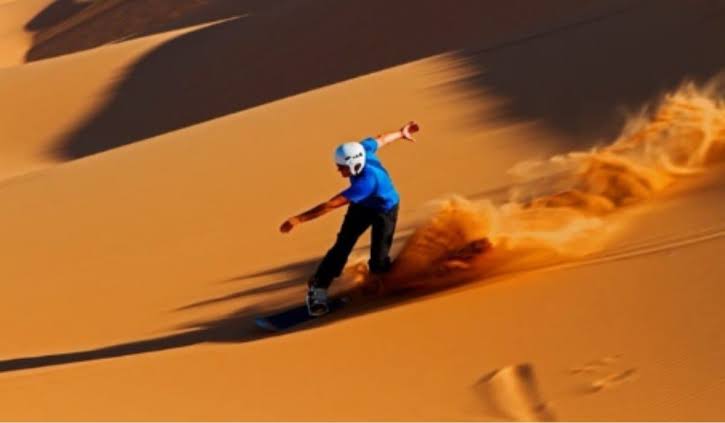
Sandboarding, an exhilarating sport that combines the thrill of surfing, snowboarding, and skateboarding, all on sand dunes, has gained popularity worldwide. Whether you're an adrenaline junkie looking to try something new or a seasoned boarder keen on dune adventures, having the right equipment is crucial. This guide will walk you through everything you need to get started on your sandboarding journey.

Essential Sandboarding Equipment

sandboarding Equipment's

The heart of sandboarding lies in its unique equipment, designed to make your descent on sand both exhilarating and safe.

The Sandboard

Types of Sandboards: There are primarily two types of sandboards: sand sleds for sitting and traditional stand-up boards. Your choice depends on preference and skill level.

Choosing the Right Sandboard: Consider the board's length, width, and flexibility. Beginners might prefer a wider, more stable board, while experienced riders may opt for agility and speed.

Wax for Sandboarding

Special wax helps your board glide smoothly over the sand. Regular application is key to maintaining performance.

Safety Gear

Helmets are non-negotiable for protecting your head during falls. Goggles shield your eyes from sand particles, while gloves and pads prevent abrasions and soften impacts.

Choosing Your Sandboarding Apparel

Clothing should be light yet protective. Long sleeves and pants can prevent sunburn and minor scrapes. Footwear is usually snug, comfortable boots that keep the sand out and offer ankle support.

Additional Accessories for Sandboarding

Beyond the basics, sun protection (sunscreen, hats) is essential in the desert. Hydration packs keep you watered, and action cameras capture every thrilling moment.

Maintenance of Sandboarding Equipment

Regular checks ensure your equipment is in top shape. Cleaning after each use and proper storage will extend the life of your gear.

Conclusion

Sandboarding is an adventure that requires preparation and the right equipment. By following this guide, you'll be ready to tackle the dunes safely and with confidence.

FAQs

  1. What is the best type of sandboard for beginners? Beginners should look for wider, more stable boards for easier balance.
  2. How often should I wax my sandboard? Waxing before each session ensures optimal performance.
  3. Can I sandboard in any type of desert? While most sandy deserts are suitable, some locations may have restrictions.
  4. What are the risks of sandboarding? Like any extreme sport, there's a risk of falls and injuries. Proper gear minimizes these risks.
  5. How can I improve my sandboarding skills? Practice, ideally under the guidance of experienced sandboarders or through lessons, is key.

You can enjoy sand boarding in the desert safari tour in Dubai, Sharjah & Abu Dhabi.

Desert Safari Dubai Tours – All UAE Tours

  • Address: 23 Marina Tower – Dubai
  • Hours: Open 24 hours · More hours
  • Phone: 056 663 2965
Thank you for reading All UAE Tours Blog!

Related Articles

Dubai in January: A Mesmerizing Start to the Year in the City of Wonders
Mar 01, 2024

Dubai in January: A Mesmerizing Start to the Year in the City of Wonders

Nestled along the southeastern coast of the Arabian Peninsula, Dubai stands as a testament to architectural brilliance, cultural diversity, and unparalleled luxury. This global city, a jewel in the United Arab Emirates, seamlessly blends tradition with modernity, offering visitors a captivating experience unlike any other. Dubai, the jewel of the Middle East, is a city that mesmerizes visitors with its towering skyscrapers, luxurious shopping malls, and rich cultural experiences. To truly appreciate the magic of Dubai, it's essential to plan your visit based on the unique offerings each month brings. From exhilarating events to delightful weather changes, here's a comprehensive guide to exploring Dubai throughout the year. Climate Overview Understanding Dubai's climate is crucial for planning the perfect visit. With scorching summers and mild winters, January emerges as an ideal month to explore the city's outdoor wonders without the intensity of the sun. Dubai's Average Weather in January Dubai in January experiences a delightful winter season with daytime temperatures ranging from a pleasant 14 to 24 degrees Celsius (57 to 75 degrees Fahrenheit). The weather is characterized by clear skies, offering a perfect backdrop for outdoor activities. While rain is infrequent, the occasional fog adds a mystical touch to the cityscape. Events and Festivals January in Dubai is a celebration of festivities and cultural richness, offering a diverse range of events to captivate visitors. Among the notable events are the Dubai Shopping Festival (DSF), the DSF Drone Light Show, and the mesmerizing La Perle Show. Dubai Shopping Festival (DSF): Kicking off the year with a retail extravaganza, DSF transforms Dubai into a shopper's paradise. Various malls and shopping districts offer not only incredible discounts on a wide range of products but also live entertainment, cultural events, and dazzling fireworks. It's an opportunity for visitors to indulge in a unique shopping experience against the backdrop of a festive atmosphere. DSF, a retail extravaganza, turns Dubai into a shopping haven. Enjoy discounts, live entertainment, and cultural events throughout the city. Date: January 1-30 Venue: Various malls and shopping districts DSF Drone Light Show: Throughout January, Dubai's skies come alive with the DSF Drone Light Show. Taking place at various locations, including the iconic Burj Khalifa and The Beach, JBR, this futuristic display of synchronized drones creates a mesmerizing spectacle. It adds a touch of magic to the cityscape, attracting locals and tourists alike to witness the beauty of technology merging with art. Be mesmerized by the dazzling drone light shows illuminating the Dubai sky, adding a futuristic touch to the cityscape. Date: Throughout January Venue: Various locations, including Burj Khalifa and The Beach, JBR La Perle Show: For those seeking a unique and immersive experience, the ongoing La Perle Show at Al Habtoor City is a must-see. This aquatic and acrobatic spectacle defies gravity, offering a visual feast of daring stunts and captivating performances. La Perle brings a touch of the extraordinary to Dubai's cultural scene, making it a memorable event for visitors of all ages. Immerse yourself in the world of acrobatics and aquatic stunts at La Perle, a spectacular show that defies gravity and captivates audiences. Date: Ongoing Venue: Al Habtoor City These events collectively embody the vibrancy and diversity of Dubai's cultural calendar in January, ensuring that visitors are not only immersed in the city's shopping extravaganza but also treated to cutting-edge entertainment. In addition to these events, Dubai in January presents an array of outdoor and indoor activities that cater to diverse interests, from desert safaris to exploring iconic landmarks. The city truly comes alive, beckoning visitors to partake in its unique blend of modern luxury and traditional charm. Activities Outdoor Events and Sports: Dubai's mild January weather sets the stage for a variety of outdoor activities, including: Desert Safaris: Embark on a thrilling desert safari, experiencing the vast expanse of golden dunes and traditional Bedouin hospitality. Sightseeing: Explore iconic landmarks such as the Burj Khalifa, Dubai Marina, and the Palm Jumeirah. Beach Activities: Relax on pristine beaches like Jumeirah Beach and Kite Beach, enjoying the coastal charm. Water Adventures: Dubai's coastal beauty beckons water enthusiasts to indulge in: Yacht Trips: Charter a yacht for a luxurious cruise along the Arabian Gulf, offering breathtaking views of the city skyline. Scuba Diving: Explore the vibrant underwater world through scuba diving adventures in the clear waters of the Arabian Gulf. Sky-High Adventures: For those seeking an adrenaline rush: Hot Air Balloon Rides: Soar above the city at dawn with a hot air balloon ride, providing panoramic views of the desert landscape. Places to Visit in Dubai in January Burj Khalifa: Attraction: The world's tallest building offers mesmerizing views from the observation deck. Consider a visit during the evening for a spectacular sunset panorama. Desert Safari: Attraction: Experience the enchanting desert landscape, including camel rides, dune bashing, and traditional Bedouin camps. Aquarium: Attraction: Visit the Dubai Aquarium in The Dubai Mall, home to an impressive array of marine life. Don't miss the walkthrough tunnel for a unique underwater experience. IMG World of Adventure: Attraction: Dive into the world's largest indoor theme park, featuring Marvel and Cartoon Network zones, thrilling rides, and entertainment for all ages. Miracle Garden: Attraction: Wander through a floral paradise at the Dubai Miracle Garden, where millions of flowers create captivating displays. Dubai Marina: Attraction: Stroll along the picturesque Dubai Marina Walk, lined with cafes and boutiques. Take a relaxing boat tour to absorb the stunning architecture. Practical Tips Accommodations: Dubai caters to various budgets, offering options from luxury hotels like the Burj Al Arab to budget-friendly hotels in neighborhoods like Deira and Al Barsha. Transportation: Navigate the city with ease using the efficient public transport system, taxis, or rental cars. The Dubai Metro provides a convenient way to explore key attractions. Cultural Etiquette: Respect local customs by dressing modestly, especially when visiting religious sites. Be aware of prayer times and engage in respectful behavior. Budgeting: While Dubai offers luxury experiences, budget-conscious travelers can explore affordable dining options, public beaches, and free attractions like the Dubai Fountain show. Additional Considerations Health and Safety: Prioritize your well-being by staying hydrated, wearing sunscreen, and being aware of healthcare facilities. Follow local COVID-19 guidelines for a safe visit. Local Cuisine: Indulge in Dubai's diverse culinary scene with must-try dishes like shawarma, falafel, and traditional Arabic sweets. Explore popular restaurants in areas like Jumeirah and Downtown Dubai. Why You Should Visit Dubai in January? Ideal Weather: Enjoy Dubai's mild winter climate in January, with daytime temperatures ranging from 14°C to 24°C (57°F to 75°F). Dubai Shopping Festival (DSF): Immerse yourself in the retail extravaganza of DSF, featuring discounts, exclusive launches, and entertainment throughout January. Sporting Extravaganza: The DSF Carnival adds energy to the city with street performances, live concerts, and sporting events, including the Dubai Marathon. Outdoor Adventures: Explore iconic landmarks and engage in desert safaris, hot air balloon rides, and yacht trips in the pleasant January weather. Diverse Culinary Delights: Experience Dubai's diverse culinary scene with outdoor dining options and a wide array of international cuisines. Dubai Shopping Festival Global Village: Discover various cultures, sample international cuisines, and enjoy live performances in this cultural extravaganza. New Year's Celebrations: Begin the month with the spectacular New Year's Eve celebrations, including iconic fireworks at the Burj Khalifa. Accommodations for Every Taste: Dubai offers a range of accommodations, from luxury hotels like the Burj Al Arab to more budget-friendly options. Pristine Beaches and Water Activities: Take advantage of January's pleasant temperatures for beach relaxation and water sports. Cultural Celebrations: DSF brings a festive atmosphere with cultural celebrations, making January a vibrant and exciting time to visit Dubai.

Read Article
What is Sand Surfing? Everything you need to know From 130 AED
Mar 01, 2024

What is Sand Surfing? Everything you need to know

Sand surfing is an adventure activity where a person rides down a sand dune on a specially designed board. It is commonly known as sandboarding and is similar to snowboarding, except that instead of snow-covered slopes, you ride across desert sand.Sand surfing is becoming increasingly popular in desert destinations around the world, including the United Arab Emirates, where the large dunes of Dubai and Abu Dhabi provide excellent conditions for the activity.Whether you are visiting the UAE for the first time or planning a desert safari, sand surfing is one of the easiest adventure activities to try. You do not need previous boarding experience, and beginners can usually learn the basic technique quickly.What Is Sand Surfing?Sand surfing is the practice of sliding or riding down sand dunes on a board.The rider stands on a sandboard with both feet secured to bindings or positioned on the board, then descends a dune using balance and body movements to control speed and direction.Although the activity is sometimes called “sand surfing,” sandboarding is the more commonly used term in the tourism and adventure industry.The basic concept is simple:Climb the dune → place the board → balance → descend the slope → slow down at the bottom.Unlike surfing, sand surfing does not involve water or waves. The “surfing” part refers to the sensation of gliding across a natural surface.Is Sand Surfing the Same as Sandboarding?For most tourism purposes, sand surfing and sandboarding mean essentially the same thing.The term “sand surfing” is sometimes used to describe riding a board down sand dunes, but sandboarding is the standard name for the sport.You may therefore see tour operators use phrases such as:Sand surfingSandboardingDesert sandboardingSand dune boardingSandboarding in DubaiUAE sandboardingIf you search for a sand surfing experience in the UAE, you will generally find it listed as sandboarding.How Does Sand Surfing Work?Sandboarding works by using gravity to move the board down a dune.A typical experience involves several steps.1. Choose a Suitable DuneThe dune should have a suitable slope and enough open space at the bottom.Beginners generally start with a smaller, less steep dune.2. Prepare the SandboardThe bottom of the board is normally treated with a suitable wax or lubricant to help it glide across the sand.3. Position YourselfBeginners can start by sitting or kneeling on the board before progressing to standing.When standing, keep your knees slightly bent and maintain a comfortable stance.4. Start the DescentOnce the board begins moving, your body position helps control your speed and direction.5. Control Your SpeedLeaning and adjusting your stance can help control movement.Keeping your weight balanced is particularly important when descending steeper dunes.6. Stop SafelyBeginners should learn how to slow down and stop before attempting larger dunes.What Equipment Do You Need for Sand Surfing?One advantage of sandboarding is that it requires relatively little equipment.See our full sandboarding equipment guide for a detailed checklist.SandboardThe most important piece of equipment is the sandboard.Sandboards are designed specifically for use on sand and are different from ordinary surfboards.BindingsSome sandboards have bindings that secure your feet to the board.Other beginner boards may be designed for riding without fixed bindings.WaxSandboard wax helps reduce friction between the board and sand, allowing it to glide more smoothly.Closed ShoesComfortable closed shoes can help protect your feet from hot sand and rough surfaces.SunglassesSunglasses help protect your eyes from bright sunlight and blowing sand.SunscreenStrong desert sunlight means sunscreen is an important part of your preparation.HelmetA helmet may be recommended or required for certain sandboarding experiences, particularly for more advanced or steeper terrain.Is Sand Surfing Difficult?Sandboarding is generally beginner-friendly, but it can take some practice to develop good balance and control.The easiest way to start is by sitting or kneeling on a board and gradually learning how the board moves.Once you become comfortable, you can try standing.Beginners should avoid immediately attempting the tallest or steepest dune. Starting with a smaller slope makes it easier to learn how to control speed and stop.Can Beginners Try Sand Surfing?Yes.You do not need to be an experienced snowboarder or surfer to try sandboarding.A beginner can learn the basic technique during a desert safari, although your first few attempts may involve falling or losing balance.This is completely normal.The most important things are:Start on a manageable duneFollow your guide's instructionsKeep your knees slightly bentMaintain your balanceDo not attempt advanced tricks immediatelyLeave enough space between ridersCan Children Go Sand Surfing?Children can often participate in sandboarding, but suitability depends on their age, size, confidence, physical ability and the rules of the tour operator.See our desert safari with family guide for more age-friendly tips.Younger children may be better suited to sitting or sliding down smaller dunes rather than standing on a sandboard.Parents should always check the operator's age and safety requirements before booking.Is Sand Surfing Safe?Sandboarding can be a relatively low-risk recreational activity when performed properly, but falls and minor injuries are possible.Common risks include:Falling from the boardRolling on the sandLosing control on a steep duneColliding with another personDehydrationSun exposureHot sandInjuries caused by attempting advanced tricksSand Surfing Safety TipsAlways:Listen to your instructor or guideStart with smaller dunesCheck the landing area before ridingKeep a safe distance from other ridersWear appropriate clothingStay hydratedProtect yourself from the sunAvoid riding beyond your abilityNever attempt a dune if the landing area is obstructedIf you are participating as part of a desert safari, follow the safety instructions provided by the safari operator.What Does Sand Surfing Feel Like?Sandboarding feels somewhat like a combination of snowboarding and sliding down a giant sand hill.The board glides across the surface while gravity pulls you downhill.However, sand creates considerably more friction than snow, so sandboarding is generally slower than snowboarding.The experience can vary depending on:Sand textureDune steepnessBoard typeWeather conditionsWax used on the boardRider's techniqueOne of the most enjoyable parts for beginners is the challenge of balancing while descending the dune.Sand Surfing vs SnowboardingAlthough the two sports look similar, there are important differences.FeatureSand SurfingSnowboardingSurfaceSandSnowLocationDesertsSnow-covered mountainsSpeedGenerally slowerGenerally fasterTemperatureUsually hotUsually coldEquipmentSandboardSnowboardLift systemUsually climb the duneOften uses ski liftsLearning environmentDunesSlopesPopular UAE activityYesNoIf you already know how to snowboard, some of your balance and board-control skills may help when learning sandboarding.Sand Surfing vs Sand SleddingThese activities are related but not identical.Sandboarding normally involves standing on a board and riding down the dune.Sand sledding usually involves sitting or lying on a sled or board while sliding downhill.Sandboarding is therefore closer to snowboarding, while sand sledding is more focused on sliding.Where Can You Go Sand Surfing?Sandboarding is possible in many desert regions around the world.Popular destinations include:United Arab EmiratesEgyptJordanMoroccoNamibiaSouth AfricaPeruAustraliaUnited StatesThe UAE is particularly popular because its desert landscapes are easily accessible from major tourist cities.Sand Surfing in the UAEThe UAE is an excellent destination for sandboarding because of its extensive dune landscapes.You can find sandboarding experiences around several major desert areas.Sand Surfing in DubaiDubai is one of the most popular places to try sandboarding in the UAE.Many Dubai desert safari experiences include sandboarding as part of the package.Popular desert areas include:Lahbab DesertAl MarmoomAl AwirOther desert areas outside the main urban zoneLahbab Desert is particularly popular for adventure experiences because of its large dunes and distinctive red-orange sand.A typical Dubai desert safari may combine sandboarding with:Dune bashingCamel ridingQuad bikingDesert photographySunset viewingTraditional camp experiencesBBQ dinnerLive entertainmentThis makes sandboarding easy to add to a larger desert adventure rather than booking it as a completely separate activity.[tours codes="AUT-DS-01,AUT-DS-02,AUT-DS-03"]Sand Surfing in Abu DhabiAbu Dhabi also offers extensive opportunities for desert activities.The emirate is home to huge desert landscapes, including the areas around Liwa and the Empty Quarter.Sandboarding in these areas can be particularly impressive because of the scale of the dunes.Abu Dhabi desert experiences may combine sandboarding with:Dune bashingCamel ridingQuad bikingDesert campingStargazingWildlife experiencesCultural activities[tours codes="AUT-DS-10"]Best Places for Sand Surfing in UAEThe best location depends on what type of experience you want.Read our full guide to deserts in the UAE for more on each location.Lahbab Desert — Best for AdventureLahbab is a strong choice for travellers looking for large dunes, red sand and an exciting desert safari.Al Marmoom — Best for NatureAl Marmoom offers a more conservation-focused desert environment and can be suitable for visitors who want to combine desert activities with nature.Liwa Desert — Best for Huge DunesLiwa is ideal for travellers who want to experience some of the UAE's most dramatic desert landscapes.Empty Quarter — Best for Remote Desert LandscapesThe Rub' al Khali, or Empty Quarter, offers an enormous desert environment and a more remote adventure experience.What Is the Best Time for Sand Surfing in UAE?The cooler months are generally more comfortable for outdoor desert activities.November through March is particularly popular because temperatures are usually more suitable for spending extended periods outdoors.During hotter months, consider experiences scheduled for:Early morningLate afternoonSunsetEveningAlways follow the tour operator's guidance regarding weather and activity conditions.What Should You Wear for Sand Surfing?Wear comfortable clothing that allows you to move freely.For more detail, read our desert safari outfit guide.Recommended items include:Lightweight trousers or sportswearT-shirt or breathable topClosed shoesSunglassesHat or capSunscreenWaterLight jacket during cooler monthsAvoid wearing loose accessories that can fall off while riding.How Long Does Sand Surfing Take?The actual riding time can be relatively short, especially during a standard desert safari.A typical experience may involve:Travelling to the desertReceiving instructionsClimbing the duneRiding downWalking back upRepeating the experienceThe number of rides depends on the tour package, dune location, group size and available time.A desert safari that includes sandboarding usually gives you the opportunity to make multiple attempts.Is Sand Surfing Included in a Desert Safari?It depends on the package.Some desert safari packages include sandboarding at no additional charge, while others may offer it as an optional activity.Before booking, check whether your package includes:SandboardingDune bashingCamel ridingQuad bikingHotel pickupDesert campFoodEntertainmentThis prevents surprises when you arrive at the desert.Is Sand Surfing Better Than Dune Bashing?They provide completely different experiences.Dune bashing is a high-energy 4x4 experience where a professional driver takes you across the dunes.Sandboarding puts you in control of your own descent.Choose dune bashing if you want:Speed4x4 adventureA guided experienceLarge dune drivingChoose sandboarding if you want:A hands-on activityA personal challengeA board sportA fun beginner-friendly adventureFor the best experience, many travellers choose a safari that includes both.[tours codes="AUT-DS-11,AUT-DS-12"]How to Improve Your Sand Surfing SkillsOnce you are comfortable with basic sandboarding, you can gradually improve your technique.Improve Your BalanceKeep your knees slightly bent and maintain a stable stance.Control Your WeightSmall changes in body position can affect the direction and speed of your board.Start SlowlyDo not immediately choose the largest dune.Practice StoppingLearning to control your descent is more important than simply going fast.Progress GraduallyOnce you are comfortable on smaller dunes, you can move toward steeper slopes under suitable conditions.Common Sand Surfing MistakesBeginners often make a few predictable mistakes.Choosing a Dune That Is Too SteepA larger dune is not necessarily better for your first attempt.Standing Too RigidlyKeeping your knees locked makes it harder to maintain balance.Ignoring the Landing AreaAlways check what is at the bottom of the dune before starting.Riding Too Close to OthersMaintain adequate distance between riders.Forgetting Sun ProtectionThe desert sun can be intense, even when the activity itself is short.Attempting Tricks Too EarlyLearn basic control before attempting jumps, turns or advanced techniques.Is Sand Surfing Worth Trying?Yes, especially if you are visiting a desert destination such as the UAE.Sandboarding is relatively easy to try, requires limited equipment and gives you an active way to experience the dunes.It is also an excellent activity for travellers who want something more interactive than simply taking photographs of the desert.For first-time visitors, combining sandboarding with dune bashing, camel riding and a sunset desert experience can create a complete UAE desert adventure.Frequently Asked Questions About Sand SurfingWhat is sand surfing called?Sand surfing is most commonly called sandboarding. Both terms describe riding a board down sand dunes.Is sand surfing the same as surfing?No. Traditional surfing takes place on water, while sand surfing takes place on sand dunes.Is sandboarding difficult for beginners?No. Most beginners can learn the basic technique with some instruction and practice. Starting on a smaller dune makes learning easier.Do you need experience to go sandboarding?No. You generally do not need previous experience to try recreational sandboarding.Can you sandboard in Dubai?Yes. Sandboarding is a popular activity offered as part of many Dubai desert safari experiences.Where is the best place to sandboard in Dubai?Lahbab is one of the most popular areas for an adventurous sandboarding experience because of its large dunes and distinctive red-orange desert landscape.Can children try sandboarding?Children may be able to participate depending on their age, ability and the tour operator's rules. Younger children may be more comfortable with seated sliding rather than standing.What board is used for sand surfing?A sandboard is specifically designed for riding over sand dunes. Its base is designed to reduce friction and improve gliding.Is sandboarding faster than snowboarding?Usually not. Sand creates more friction than snow, so sandboarding tends to be slower.Can you sandboard without wax?You can physically slide on sand without wax, but wax or another suitable treatment can make the board glide more effectively.What should I wear for sandboarding?Wear comfortable clothing, closed shoes, sunglasses and sun protection. Lightweight clothing is generally suitable for warm weather.Is sandboarding included in Dubai desert safaris?It depends on the specific package. Always check the inclusions before booking.What is the best time for sandboarding in Dubai?The cooler months are generally more comfortable. Early morning and late afternoon can also be preferable to the hottest part of the day.Can you sandboard in the Empty Quarter?Yes. The vast dunes of the Empty Quarter and Liwa region provide dramatic terrain for desert activities, although these experiences are generally more remote than a typical Dubai desert safari.Final ThoughtsSand surfing, more commonly known as sandboarding, is one of the most accessible ways to experience a desert.You do not need to be a professional snowboarder or athlete. With a suitable board, a manageable dune and basic instruction, beginners can enjoy sliding down the sand within a short time.In the UAE, sandboarding becomes even more exciting because it can be combined with other desert activities. From the red dunes of Lahbab to the enormous landscapes of Liwa, there are experiences for adventure seekers, families, couples and first-time visitors.If you are planning a UAE trip, consider adding sandboarding to your desert safari itinerary for a memorable experience beyond sightseeing.  

Read Article
Mar 06, 2024

Tanoura Dance Show

Dubai is not just about skyscrapers and lavish lifestyles; it's a melting pot of cultures offering many enriching experiences. Among these, the Tanoura Dance Show stands out as a captivating cultural performance that leaves an indelible mark on its audience. This article aims to guide you through the essence of the Tanoura Dance Show, ensuring you know exactly why and how to include it in your Dubai itinerary. What is Tanoura? Originating from Egypt, Tanoura is more than just a dance; it's a spiritual journey that connects the dancer with divine love. Rooted in Sufism, this dance is similar to the Sufi whirling but is distinguished by its colorful costumes and incorporation of LED lights, adding a magical touch to the performance. Experiencing Tanoura in Dubai https://youtu.be/6a6IvQtsvss?si=IoeRK8VcceH-qcoc Tanoura Dance show in desert safari Dubai, with its embrace of diverse cultures, offers the perfect stage for this mesmerizing dance. The dance can be experienced at various desert safari tours, where the vastness of the desert complements the spiritual essence of Tanoura. The best time to witness this dance is during the cooler months, from October to March when the desert's beauty is at its peak. The Tanoura Dance Show A Tanoura performance is a visual spectacle. Dancers, clad in multi-layered, colorful skirts, spin continuously, creating a whirlpool of colors. The dance is performed to traditional Middle Eastern music, with each swirl representing a journey towards spiritual enlightenment. Why You Shouldn't Miss the Tanoura Dance Show The Tanoura Dance Show is more than entertainment; it's an immersive cultural experience. It allows you to witness a tradition that has been passed down through generations, offering a glimpse into the region's spiritual depth. Planning Your Visit Booking a desert safari tour that includes a Tanoura dance show is straightforward. Many tour operators offer packages, but it's essential to research and choose one that aligns with your expectations. Remember to dress comfortably and be prepared for an evening in the desert's changing temperatures. Conclusion The Tanoura Dance Show in Dubai is a vibrant testament to the city's cultural diversity and its capacity to offer unique, enriching experiences. It's a must-see for anyone looking to connect with the cultural and spiritual tapestry of the Middle East. FAQs What is the best time to see the Tanoura Dance in Dubai? The cooler months from October to March are ideal for desert safaris and Tanoura shows. How can I book a Tanoura Dance Show? You can book through reputable tour operators that offer desert safari packages including the dance show. Is the Tanoura Dance Show suitable for children? Yes, the Tanoura Dance Show is a family-friendly performance that can be enjoyed by all ages. What should I wear to a desert safari including a Tanoura Show? Comfortable clothing and a jacket for the cooler evening temperatures in the desert are recommended. Can I take photos during the Tanoura Dance Show? Yes, photography is usually allowed, but it's always best to ask for permission as a courtesy. To book a ticket to the Tanoura Dance Show, contact at:Desert Safari Dubai Tours - All UAE Tours Address: 23 Marina Tower - Dubai Hours: Open 24 hours · More hours Phone: 056 663 2965

Read Article
Dubai Visa Photo Size
Mar 09, 2024

Dubai Visa Photo Size

There is a wide variety of Dubai visa options for Indian nationals to choose from. The requirement for Dubai visa photo size in 2024 has not changed. The necessary dimensions for a Dubai visa photograph in 2024 will be discussed without further ado. Photo Requirement Size for U.A.E (Dubai) Visa Country NameUnited Arab EmiratesDocument NameU.A.E VISA For Tourist,Transit,Business TypeU.A.E (Dubai) Visa Photo Size  2 inch x 2 inch, i.e. 45 mm x 35 mm U.A.E (Dubai) Visa photo size in Pixels 300 Pixel in Width and 369 Pixel in Height. Background White Color Colour Of Visa photo Photo Must Be Colorful (White And Black Photo are Rejected) Specific Information of the UAE Visa Photo Size 2024 If a visa application is submitted with a photo that does not conform to the required dimensions, it will be refused. Next, we'll describe in depth each photograph requirement. Photo Requirements for an Indian to Apply for a Visa to Dubai For a normal Dubai visa application online, the required photo size is 4.3 cm by 5.5 cm. And be at least 300 pixels tall and 369 pixels wide. Another requirement for your professional photo is that it be taken from the top of your head down to the bottom of your chin, in order to capture your full head. Seventy percent to eighty percent of the shot size should be taken up by your head. Instead of regular paper, you should print the photo on photographic paper. Your head needs to be front and center in the picture. Your photograph must be in PDF, PNG, or JPEG format if you intend to submit your Dubai visa application online. The minimum size for a photo uploaded for a Dubai visa is 600x600 pixels, and the maximum is 4MB. Lighting, Focus, And Contrast For A United Arab Emirates Photo The shot needs to have good lighting so that there are no shadows on your face. Neither too little nor too much contrast will do. If you want your face and shoulders to be seen clearly, you should stand dead center in the frame. Make sure your features are distinguishable and your expression is neutral by staring down the lens of the camera. UAE Visa Photograph Criteria for Indians: Context and Image Quality All visa photos must feature the applicant's face in the Centre, with the background completely blank. The background colour should be off-white or pure white for clarity. Check your immediate surroundings to make sure there are no potential roadblocks. The photo's clarity and sharpness are paramount. There shouldn't be any signs of graininess, haziness, or darkness in the printed photo. Additionally, you should make an effort to dress so that your clothing stands out against the backdrop. Facial Expressions for A UAE Visa Photo All teeth must be hidden and eyes must be open. Keep your expression neutral or give a small smile. It also matters which way your head is tilted.In the photograph, the applicant's eyes should be open and focused on the camera. Applicants should not have any hair on their face that obscures their eyes or other facial features.Turn your eyes and face squarely at the camera. Indian Tourist Photographic Resolution for Dubai Visa As previously stated, the required photo measurements for a UAE visa are 4.3 cm by 5.5 cm, or at least 300 pixels wide and 369 pixels tall. In addition, the photo resolution must be at least 300 dpi in size. Indians applying for a visa to the United Arab Emirates should wear glasses or a head covering. You must not wear any spectacles or a head covering in your visa photo for the United Arab Emirates. Eyeglasses with a built-in camera flash are not permitted. Applicants must have visible, open eyes. The applicant's eyes should be visible, and there should be no redness or glasses covering them. Hats and other headwear are discouraged unless used for religious purposes. Applicants may wear religious head coverings, but they must not obscure their eyes or other facial features. Applicants who must wear white for religious reasons may take their pictures against a pale blue backdrop. Children's Visa Photograph For Dubai A baby or child's photo taken in Dubai must adhere to the same standards as those for adult visa photos. However, some artistic license is taken with images of youngsters. When photographing a baby, for instance, care should be made to ensure that no hands or other objects are seen in the shot by placing the child on a baby chair or the floor.Some things to keep in mind are as follows. A white or off-white background is required for the child's photo. Toys and pacifiers should not be in the picture. Make sure the kid is smiling and their eyes are open in the photo. Place the kid's head dead center in the frame. The child's entire face must be visible in the shot. Photo Rejections for U.A.E. Visas Numerous factors can lead to the rejection of the photo. The embassy in Dubai can also ask for updated or alternative photographs. Possible causes include: Unable to see the applicant's face and eyes The candidate isn't staring intently at the lens. The image was altered by cropping or by being cut from another picture. The candidate is either smiling or showing teeth. Only around 70–80% of the applicant's face can be seen. The picture is unclear or of poor quality. The picture wasn't printed on special photographic paper. The image does not fall within the specified parameters. The wrong hue is used for the backdrop. In the shot, you're wearing either sunglasses or a head covering. There are smudges in the photo. The applicant's face is obscured by an impediment. Conclusion I hope this blog post has helped you understand the Dubai visa photo size requirements and take the best biometric photo possible. You can now submit a visa application with the help of this. Read our features on the UAE for more information about getting a visa.The best way to make the most of your time in Dubai is by taking advantage of one of the many exciting Dubai tour packages available. Have a Safe Trip!

Read Article