 Travel Guide
From 130 AED
Dubai: History, Population, & Facts | ALL UAE TOURS
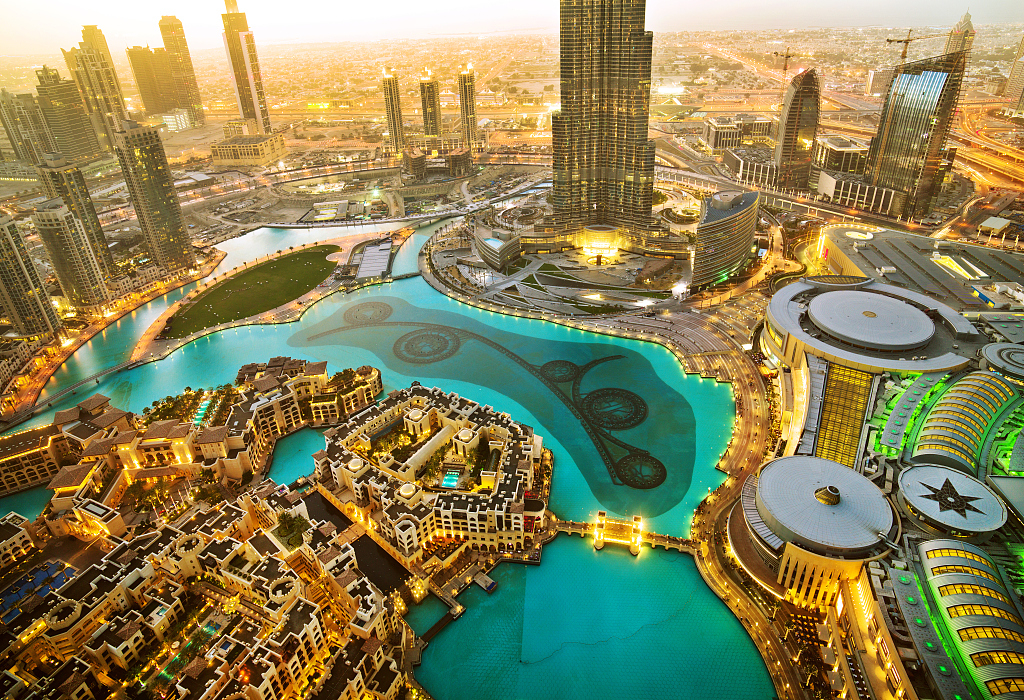
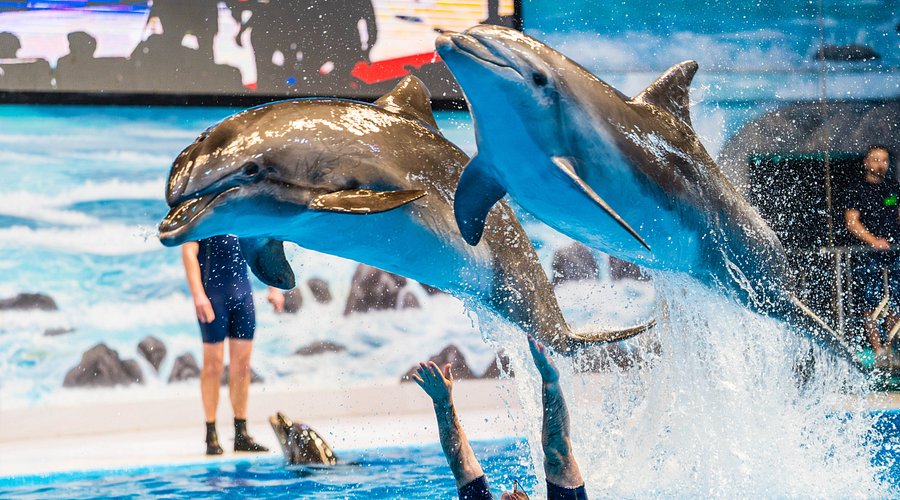
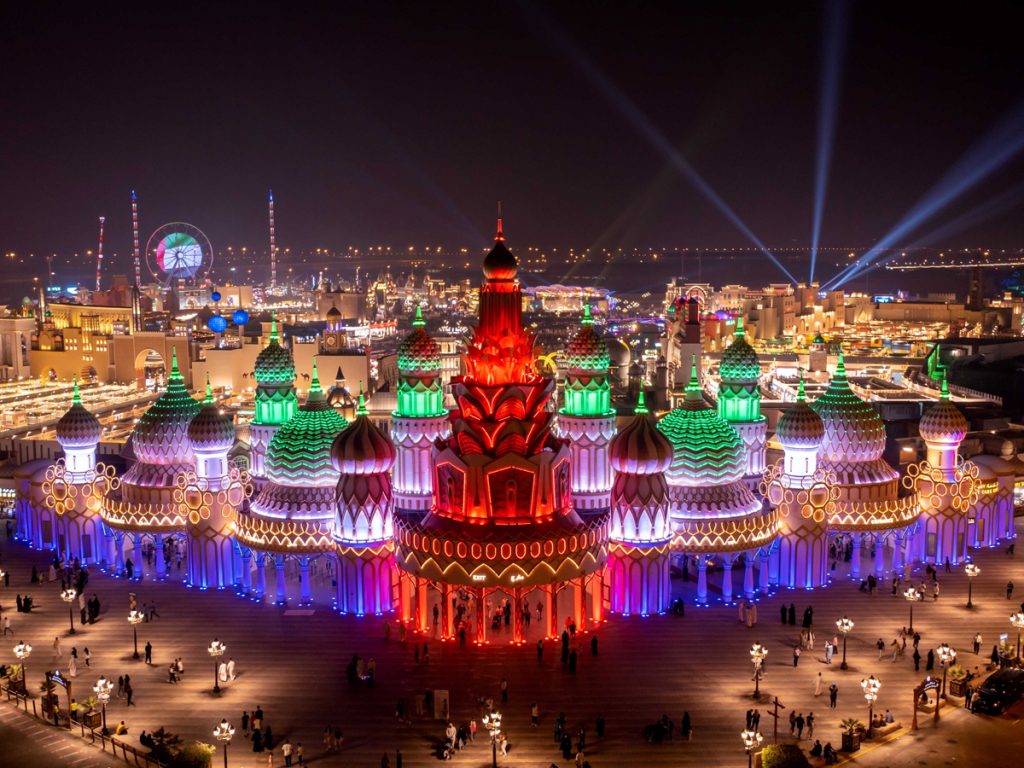
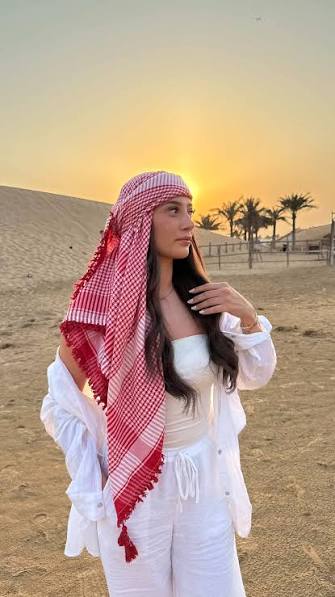
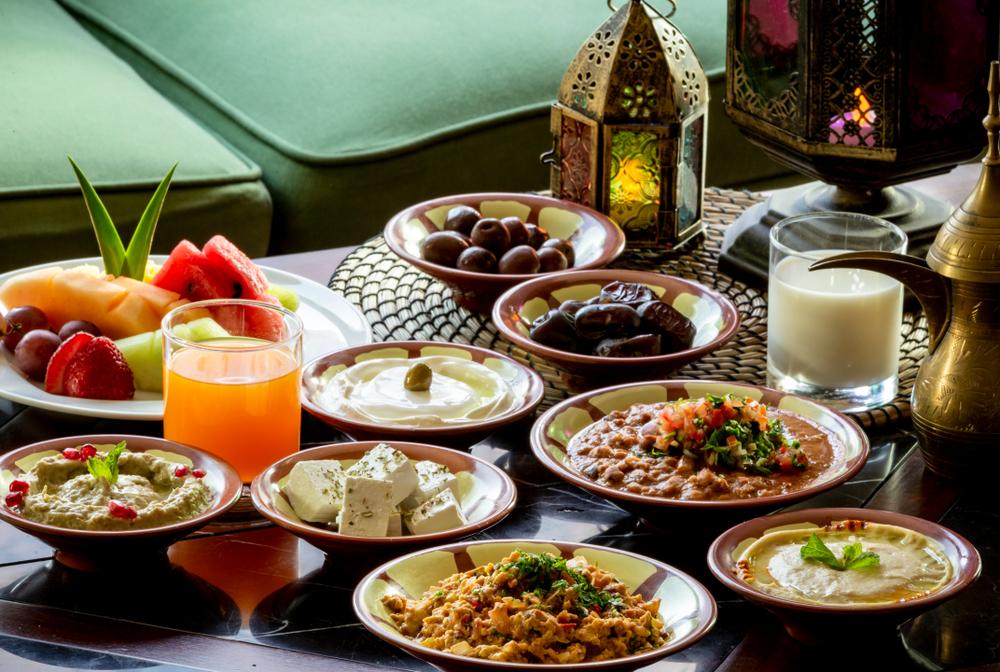
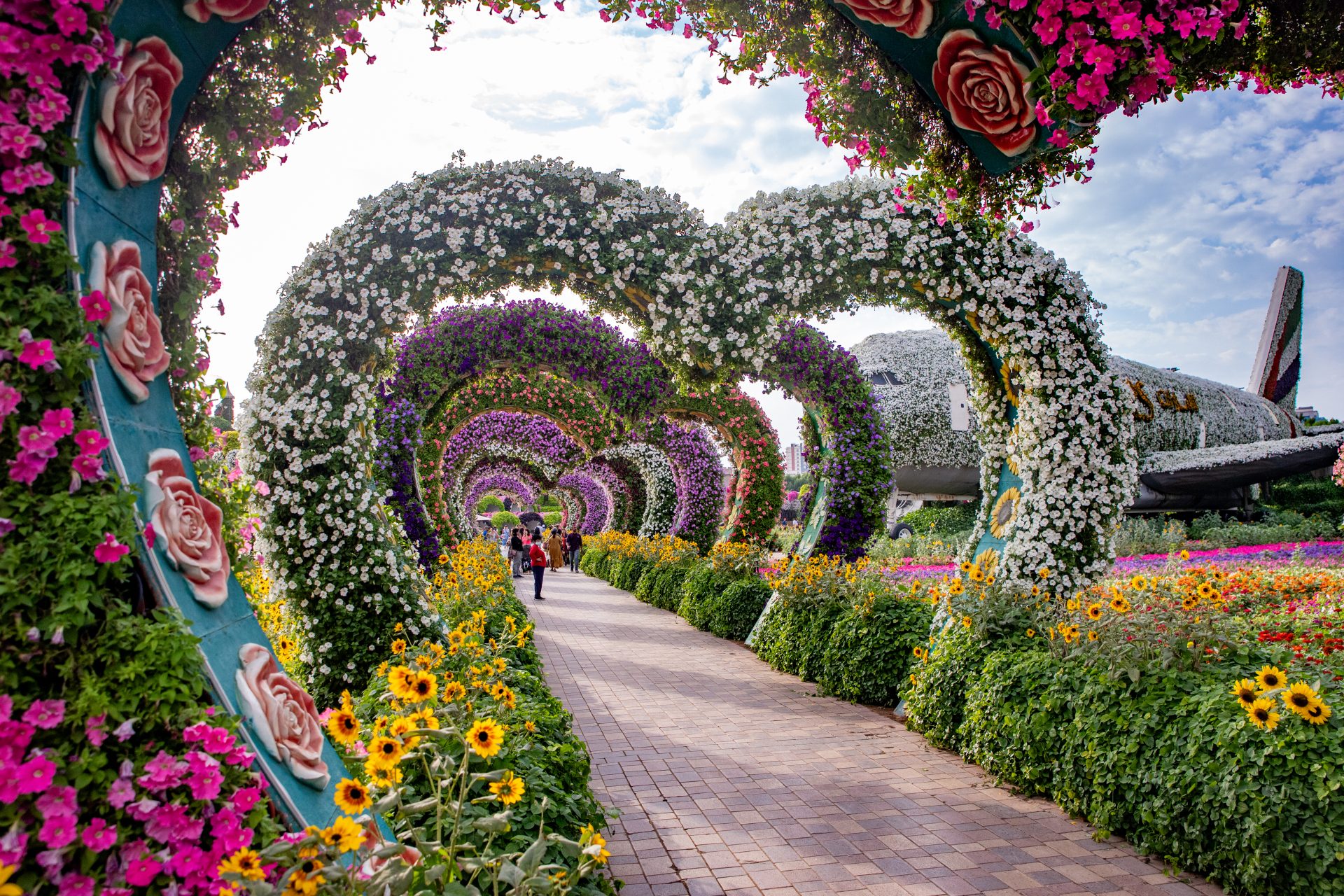
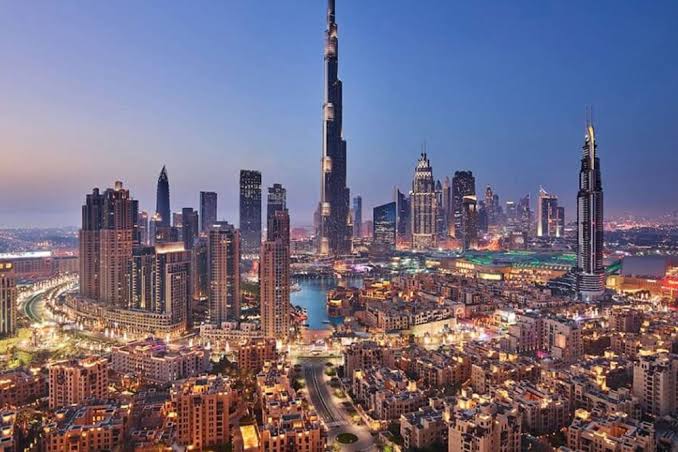
Dubai is one of the most recognizable cities in the world, known for its futuristic skyline, luxury tourism, thriving business environment, and rapid transformation from a small coastal trading community into a global city.Located on the Arabian Gulf, Dubai is one of the seven emirates that make up the United Arab Emirates (UAE). The emirate combines historic neighborhoods, traditional souks, desert landscapes, beaches, modern architecture, and world-class attractions.Whether you are planning your first trip or simply want to understand how Dubai developed into a global destination, this guide covers Dubai's history, population, geography, economy, culture, government, and the most important facts about the emirate.Dubai at a GlanceFactDetailsCountryUnited Arab EmiratesEmirateDubaiCapitalDubai CityArea4,114 km²PopulationAbout 4.58 million at the end of 2025LocationSoutheast coast of the Arabian GulfOfficial CurrencyUAE Dirham (AED)Time ZoneGulf Standard Time (UTC+4)CoastlineApproximately 72 kmOfficial Language of UAEArabicClimateTropical desert climateMain Economic SectorsTrade, tourism, finance, real estate, transport and servicesRuling FamilyAl MaktoumDubai covers approximately 4,114 square kilometers and is the UAE's second-largest emirate by area after Abu Dhabi. Its strategic location on the Arabian Gulf has played an important role in its development as a center for trade, transportation, tourism, and business.Where Is Dubai?Dubai is located on the eastern side of the Arabian Peninsula along the southern coast of the Arabian Gulf.The emirate borders:Abu Dhabi to the southSharjah to the northeastOman toward the southeastDubai has a coastline of approximately 72 kilometers and includes a mixture of beaches, desert, urban areas, coastal waters, and the mountainous Hatta region.Dubai's location has been one of its greatest strategic advantages. It sits between major markets in Europe, Asia, Africa, and the Middle East, helping the city develop into an international aviation, logistics, tourism, and business hub.History of DubaiDubai's history is closely connected to the sea, trade, fishing, pearling, and the natural harbor formed by Dubai Creek.Early DubaiPeople have lived in the wider region for thousands of years, but modern Dubai's development as a settlement is strongly associated with Dubai Creek and the coastal trading community that grew around it.Dubai Creek provided a natural harbor where merchants, fishermen, pearl divers, and traders could operate. The waterway became an important part of the city's commercial and social life.The Founding of Modern DubaiA major turning point came in 1833, when approximately 800 members of the Bani Yas tribe, led by the Al Maktoum family, settled around Dubai Creek.The Al Maktoum family has ruled Dubai since that period.Historic Dubai developed around areas including:DeiraBur DubaiAl ShindaghaDubai CreekThese areas remain important for understanding Dubai's heritage today.Dubai's Pearling and Trading EraBefore oil transformed the Gulf economy, Dubai's economy depended heavily on maritime activities.Pearling was particularly important. Divers went into the Gulf waters to collect oysters, while merchants traded pearls and other goods with regional and international markets.Dubai Creek also supported fishing, boat building, and general maritime trade.By the beginning of the 20th century, Dubai had developed into an increasingly important port and trading center.Dubai and the Discovery of OilOil changed Dubai's economic possibilities, although Dubai's economy eventually became much more diversified than an oil-dependent model.Oil was discovered in Dubai in the 1960s, and the emirate's first oil exports took place in 1969.Oil revenues helped finance infrastructure and development, including roads, public services, ports, and other foundations of the modern city.Dubai After the Formation of the UAEThe United Arab Emirates was established on 2 December 1971, with Dubai becoming one of the federation's seven emirates.Dubai subsequently pursued an economic strategy centered on trade, transportation, tourism, finance, real estate, services, and international investment.This diversification became one of the defining characteristics of Dubai's modern economy.Dubai PopulationDubai's population has grown dramatically over the last several decades.According to the latest 2026 announcement from the Emirates News Agency, the population of the Emirate of Dubai reached approximately 4.58 million by the end of 2025, representing growth of about 7.5% compared with the previous year.The same announcement reported that the average number of people physically present in Dubai during daytime hours reached approximately 6.392 million when temporary visitors and workers were included.Dubai Population GrowthDubai's population growth illustrates the speed of the emirate's economic transformation.Historical figures show approximately:1971: 95,8801985: 370,7881995: 689,4202000: 862,3872005: 1.32 million2010: 1.91 million2015: 2.45 million2020: 3.4 million2024: approximately 3.86 million2025: approximately 4.58 millionThe historical figures come from Dubai statistical records, while the latest population figure reflects Dubai's newer real-time population data system.Why Is Dubai's Population Growing?Several factors contribute to Dubai's population growth:Employment opportunitiesInternational businessTourismReal estate developmentEducationInfrastructureInternational investmentTransportation and logisticsLong-term residency opportunitiesDubai is also highly international, with residents and visitors from many countries contributing to its multicultural character.Dubai Geography and LandscapeDubai's landscape is more diverse than its famous skyscrapers might suggest.The emirate includes:Dubai CreekDubai Creek is one of the most historically significant geographical features in the city.It divides traditional Dubai into two major areas:Deira to the northBur Dubai to the southThe Creek historically served as a natural harbor and played an important role in Dubai's fishing, pearling, and trading economy.Arabian Gulf CoastlineDubai has a long coastline along the Arabian Gulf, with beaches, waterfront developments, marinas, and major tourist destinations.DesertLarge areas of Dubai's interior consist of desert landscapes. These surroundings have become an important part of the emirate's tourism industry, particularly for desert safaris, dune bashing, camel rides, sandboarding, and other outdoor experiences.HattaThe Hatta region provides a very different landscape from central Dubai.Located toward the southeastern part of the emirate, Hatta is associated with mountains, valleys, hiking, outdoor activities, and natural scenery.Dubai EconomyDubai has developed one of the Middle East's most diversified economies.While oil played an important historical role, Dubai today relies heavily on sectors such as:TourismInternational tradeFinanceReal estateConstructionAviationLogisticsHospitalityRetailProfessional servicesTechnologyDubai's official fact sheet reports that GDP reached approximately AED 540.677 billion at current prices in 2024, while non-oil foreign trade reached approximately AED 2 trillion in 2023.The Dubai Government's Public Debt Management Office also describes the emirate's economy as highly diversified, with more than 95% of GDP being non-oil based.Why Is Dubai So Famous?Dubai became internationally famous because of its combination of ambitious development, international connectivity, tourism, business, and distinctive architecture.Some of the factors behind its global reputation include:Burj KhalifaThe Burj Khalifa dominates Dubai's skyline and is one of the city's most recognizable landmarks.Palm JumeirahPalm Jumeirah is a major artificial island development that has become one of Dubai's signature landmarks.Luxury TourismDubai is known for luxury hotels, resorts, restaurants, shopping destinations, beaches, and high-end experiences.ShoppingDubai has developed a major retail industry ranging from traditional souks to enormous modern shopping malls.Desert ExperiencesThe desert surrounding Dubai provides a completely different experience from the city's skyscrapers.Visitors can experience:Desert safarisDune bashingCamel ridesSandboardingDesert campsSunset photographyTraditional entertainment[tours codes="AUT-DS-01,AUT-DS-02,AUT-DS-03"]International EventsDubai hosts major business, sporting, cultural, entertainment, and tourism events throughout the year.Dubai Culture and HeritageAlthough Dubai is strongly associated with modern architecture, its cultural identity is deeply connected to Emirati traditions.Traditional culture can be experienced through:Historic neighborhoodsSouksArabic cuisineEmirati hospitalityTraditional architectureMuseumsHeritage sitesDesert experiencesCultural performancesDubai CreekVisitors interested in the city's past can explore areas such as Al Fahidi Historical Neighbourhood and the traditional districts surrounding Dubai Creek.Dubai Government and Ruling FamilyDubai is one of the seven emirates of the United Arab Emirates and has its own local government.The emirate is ruled by the Al Maktoum family.His Highness Sheikh Mohammed bin Rashid Al Maktoum is the Ruler of Dubai and also serves as Vice-President and Prime Minister of the UAE. He became Ruler of Dubai on 4 January 2006.The Government of Dubai operates through various departments, authorities, and government entities under the wider governmental structure of the emirate.Language in DubaiArabic is the official language of the UAE.However, Dubai's international population means that English is extremely widely used in:HotelsRestaurantsShopping mallsAirportsTourismBusinessPublic servicesVisitors can generally travel around Dubai comfortably using English.Learning a few Arabic expressions such as Marhaba (hello) and Shukran (thank you) can also be a pleasant way to connect with the local culture.Religion and CultureIslam is the official religion of the UAE, while Dubai's international population includes people from many different religious and cultural backgrounds.Visitors are generally welcomed into a multicultural environment, but travelers should respect local customs, especially regarding:DressPublic behaviorReligious sitesRamadan etiquettePhotographyAlcohol regulationsDubai ClimateDubai has a tropical desert climate.The city generally experiences:Hot summersWarm wintersVery little rainfallHigh humidity during some periodsPleasant outdoor conditions during the cooler monthsBest Time to Visit DubaiFor many travelers, the cooler period from roughly November through March is especially attractive for outdoor activities and sightseeing.This is also a popular period for desert safaris, beaches, walking tours, and outdoor attractions.Summer can be extremely hot, but it can also be suitable for travelers who primarily plan to enjoy indoor attractions, shopping malls, hotels, restaurants, and other air-conditioned venues.Famous Places in DubaiSome of Dubai's best-known attractions include:Burj KhalifaDubai MallPalm JumeirahBurj Al ArabDubai CreekAl Fahidi Historical NeighbourhoodDubai MarinaJumeirah BeachMuseum of the FutureDubai FrameDubai Miracle GardenGlobal VillageHattaThe city also offers numerous family attractions, cultural experiences, adventure activities, and desert excursions.Things to Do in DubaiDubai offers activities for different types of travelers.For First-Time VisitorsA Dubai city tour can combine major landmarks and help travelers understand the layout of the city.For Adventure SeekersPopular experiences include:Desert safariDune bashingQuad bikingSandboardingWater sportsZiplining and mountain activities in HattaFor FamiliesFamilies can explore:Theme parksAquariumsWater parksDubai parks and gardensFamily entertainment centersDubai DolphinariumShopping and entertainment complexesFor Culture LoversTravelers interested in heritage can explore:Dubai CreekTraditional souksAl Fahidi Historical NeighbourhoodMuseumsHeritage sitesEmirati cuisineTraditional marketsDubai TransportationDubai has an extensive transportation network designed to serve residents, workers, and tourists.Common transportation options include:Dubai MetroPublic busesTaxisTramPrivate carsRide-hailing servicesWater transportDubai Metro is particularly useful for reaching many major commercial and tourist areas without driving.Dubai also has one of the world's busiest international aviation hubs through Dubai International Airport.Interesting Facts About DubaiHere are some quick facts that help explain what makes Dubai unique:Dubai is one of the seven emirates of the UAE.Dubai is the UAE's second-largest emirate by area, covering about 4,114 km².Dubai's modern ruling dynasty, the Al Maktoum family, has governed the emirate since 1833.Dubai Creek played a major role in the city's early trading economy.Dubai exported its first oil in 1969.Dubai's population reached approximately 4.58 million at the end of 2025.Dubai has a coastline of approximately 72 km.Dubai's economy is highly diversified and is no longer primarily dependent on oil.Dubai is a major global tourism, trade, aviation, and business hub.Dubai includes both modern urban areas and traditional heritage districts.Dubai's Hatta region provides a mountainous landscape within the emirate.The UAE Dirham (AED) is the official currency.Dubai operates on Gulf Standard Time, UTC+4.Dubai's economy includes tourism, trade, finance, real estate, transport, logistics, and professional services.Dubai attracts millions of international visitors because of its combination of attractions, infrastructure, hospitality, shopping, beaches, and desert experiences.Dubai vs. the United Arab EmiratesIt is important to understand the difference between Dubai and the UAE.Dubai is an emirate.The United Arab Emirates is the country.The UAE consists of seven emirates:Abu DhabiDubaiSharjahAjmanUmm Al QuwainRas Al KhaimahFujairahAbu Dhabi is the capital of the UAE, while Dubai is its most internationally recognized tourism and business destination.Is Dubai Worth Visiting?Yes. Dubai offers a combination that is difficult to find in one destination.Visitors can experience a modern global city in the morning, explore historic neighborhoods in the afternoon, and travel into the desert for sunset.Its appeal comes from the contrast between:Modern Dubai + Traditional Dubai + Arabian Desert + Arabian GulfWhether you are interested in architecture, shopping, food, culture, beaches, adventure, family attractions, or desert experiences, Dubai offers a broad range of activities.Frequently Asked Questions About DubaiWhat is Dubai famous for?Dubai is famous for its skyscrapers, luxury tourism, shopping, beaches, desert safaris, international business, modern architecture, and attractions such as Burj Khalifa and Palm Jumeirah.When was Dubai founded?Modern Dubai is generally associated with the settlement of approximately 800 members of the Bani Yas tribe around Dubai Creek in 1833, led by the Al Maktoum family.What is the population of Dubai?The population of the Emirate of Dubai reached approximately 4.58 million by the end of 2025, according to data announced by Dubai's Data and Statistics Establishment.Is Dubai a country?No. Dubai is an emirate and city within the United Arab Emirates.What country is Dubai in?Dubai is in the United Arab Emirates, a country consisting of seven emirates.What language is spoken in Dubai?Arabic is the official language of the UAE, while English is extensively used throughout Dubai, particularly in tourism, business, hospitality, and retail.What currency is used in Dubai?The official currency is the United Arab Emirates Dirham (AED).What is Dubai's main source of income?Dubai has a diversified economy. Major sectors include trade, tourism, finance, real estate, transportation, logistics, hospitality, and professional services.Is Dubai hot all year?Dubai has a desert climate, with hot summers and generally warmer, more comfortable winters. Outdoor activities are usually more comfortable during the cooler months.What is Dubai Creek?Dubai Creek is a historic waterway that played an important role in Dubai's fishing, pearling, trade, and commercial development. It divides the traditional areas of Deira and Bur Dubai.What are the best things to do in Dubai?Popular activities include visiting major landmarks, exploring historic neighborhoods and souks, taking city tours, enjoying beaches and water activities, shopping, and going on a Dubai desert safari.Explore Dubai With All UAE ToursDubai is much more than its famous skyline. Its story stretches from fishing and pearling communities around Dubai Creek to a globally connected city known for tourism, trade, finance, innovation, and hospitality.If you are planning a trip, explore Dubai through All UAE Tours and discover city sightseeing, desert safaris, cultural experiences, family attractions, adventure activities, and other experiences across the emirate.From historic Dubai Creek to the Arabian Desert and the modern Downtown skyline, there is always another side of Dubai to discover.